 Into The Music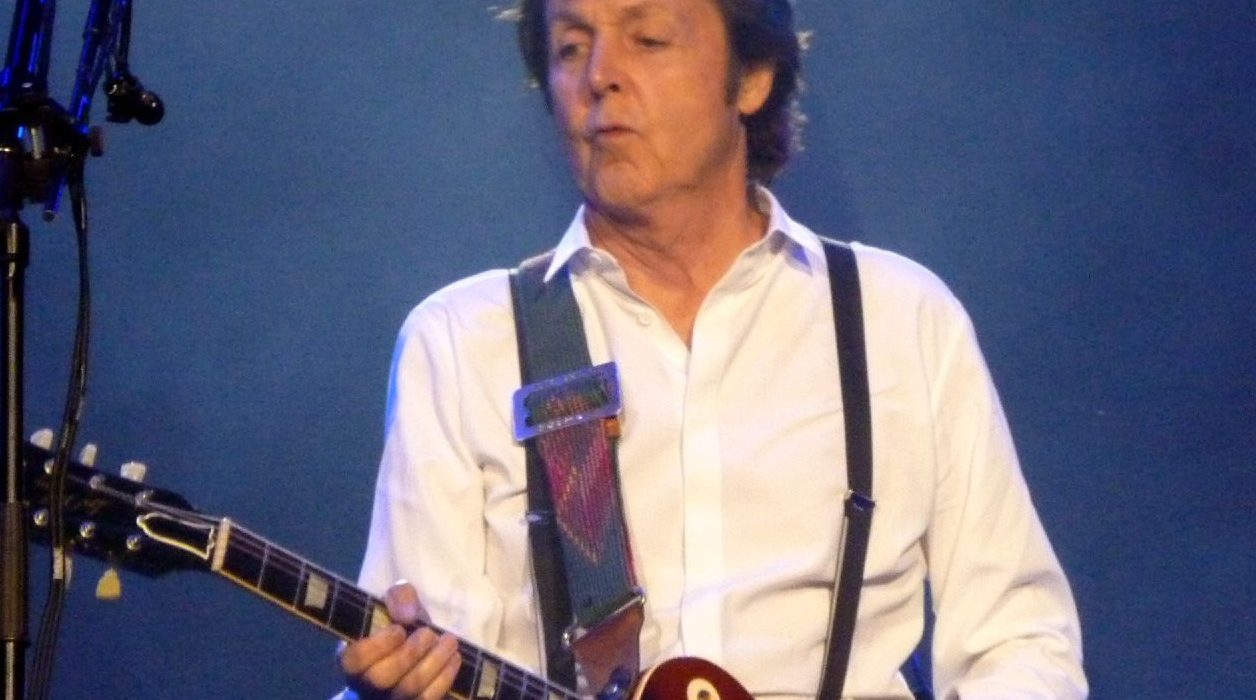
Paul McCartney announced a new solo album this week, and the announcement came with a caveat that is worth paying attention to: this is a memory album. The Boys of Dungeon Lane, due May 29 via MPL/Capitol, is named after a road in the Speke area of Liverpool. The lead single is called Days We Left Behind. McCartney, who turned 83 in June 2025, is not making a record about where he is going. He is making one about where everything started.
The album was co-produced with Andrew Watt, who has become one of the most in-demand producers for artists of a certain generation looking to make something that sounds alive. Ozzy Osbourne worked with Watt. Eddie Vedder worked with Watt. The pairing makes a kind of sense. Watt has a gift for creating space around musicians who have so much history that they could easily disappear into it. He tends to make records that feel immediate.
What McCartney says about The Boys of Dungeon Lane is striking for its directness. He describes it as a record about his childhood in post-war Liverpool, about the resilience of his parents, about early adventures with George Harrison and John Lennon before any of it became the thing that made him famous. He says: how can you write about anything else, it is just a lot of memories of Liverpool. That quote does not sound like a press release. It sounds like a person telling the truth about what the music is actually for.
McCartney has been making solo records since 1970. His catalog in that period is wildly uneven in the way that any catalog spanning fifty-five years inevitably is. There have been great records, forgettable records, experimental records that mostly did not work, and a handful of genuinely strange detours. McCartney III, his pandemic-era record from 2020, was better than most people expected, a solo home-studio album that felt both intimate and a little unmoored. The Boys of Dungeon Lane is reportedly more structured, more band-oriented, drawing on Wings-era rock as well as Beatles-style harmonies.
The Liverpool context matters here. McCartney has spent decades as an institution, a living symbol of a particular kind of musical history, and that status tends to flatten him into a monument rather than a person. The Boys of Dungeon Lane sounds like a deliberate effort to go back before the monument existed, to find the kid from Speke who did not have much and did not notice because everyone around him had the same nothing. That is a more interesting creative project than most artists his age are attempting.
The album runs 14 tracks, with titles like Ripples in a Pond, Home to Us, and First Star of the Night. There is no confirmation of a full tour yet, though McCartney has shown no signs of slowing down in that regard. Days We Left Behind is available now wherever you listen to music. It is a quiet song, deliberately so. It does not announce itself. It just starts talking, the way a memory does.
The deeper question The Boys of Dungeon Lane raises is what it means when a musician of McCartney’s stature decides to make something personal at this stage of a career. He does not need to prove anything. He does not have anything left to sell in the commercial sense. What he has left, apparently, is Liverpool, and the particular feeling of having been a person before you were a legacy. That is a strange and valuable thing to put on a record. It will be worth hearing.