 Into The Music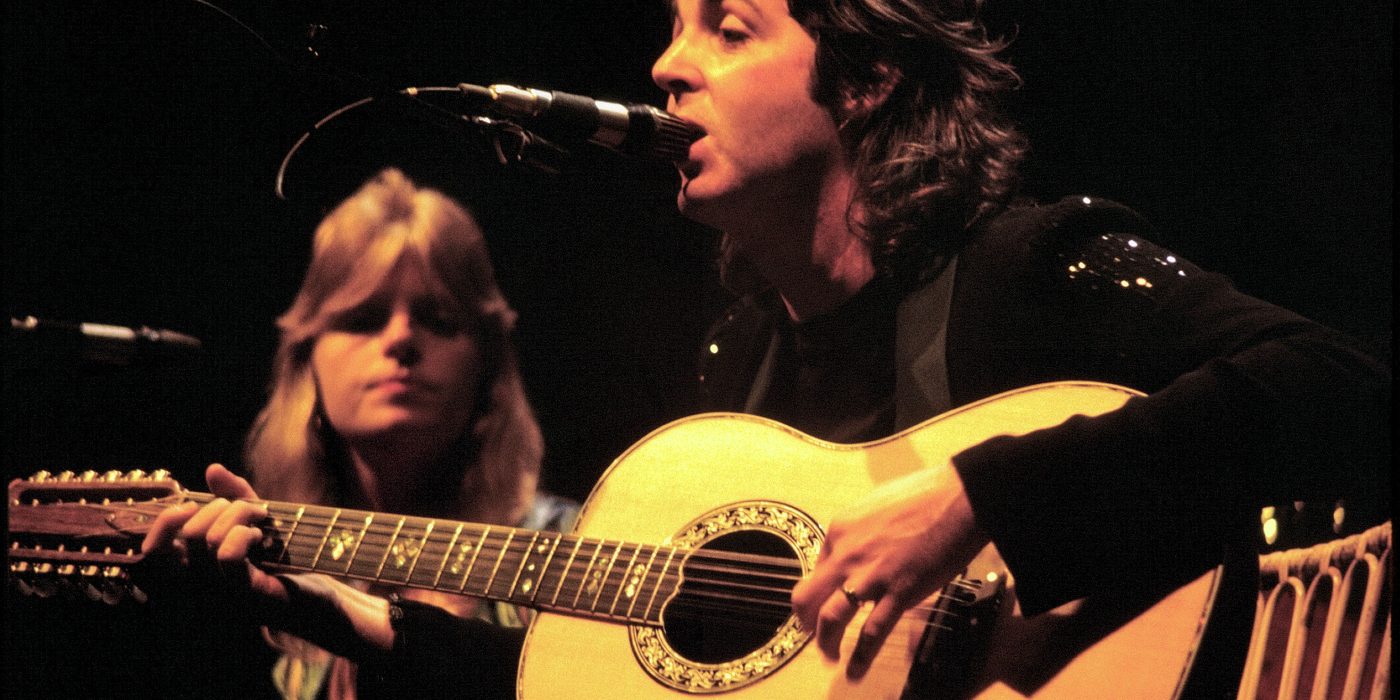
Paul McCartney announced a new album this week, and the details landed with a particular kind of weight. The Boys of Dungeon Lane is set for release on May 29, produced by Andrew Watt, the same collaborator behind some of Ozzy Osbourne’s late-career resurgence. The lead single, “Days We Left Behind,” is built around memories of McCartney’s childhood in Liverpool’s Speke neighborhood, a working-class district where Dungeon Lane sits. “I do often wonder if I’m just writing about the past,” McCartney said in the press release, “but then I think, how can you write about anything else? It’s just a lot of memories.”
That sentiment deserves more attention than it’s likely to get in the initial news cycle. McCartney is 83 years old. He has been writing songs professionally since the late 1950s, since before most of his current audience was born, and he is still doing it with enough intention to release a new album and articulate a clear reason for making it. The question of what it means to look backward in art, and whether that’s a retreat or something more honest, is one his career has been circling for decades. The Boys of Dungeon Lane seems to be his most direct answer yet.
McCartney’s relationship to nostalgia has always been complicated. The Beatles ended when he was 28, and for the fifty-plus years since, he has been writing new songs while performing in the long shadow of work he made as a young man. His solo catalog, which stretches from McCartney in 1970 through McCartney III in 2020, contains some genuinely remarkable material that rarely gets the attention it deserves because it exists next to records like Abbey Road and Sgt. Pepper’s. The comparison is almost unfair to any artist, but it’s been the defining context of his solo work whether he wanted it or not.
What’s interesting about the framing of The Boys of Dungeon Lane is how explicitly autobiographical it is. McCartney mentions his childhood in post-war Liverpool, John Lennon, Forthlin Road where he grew up. The song title references a lyric about the boys he grew up with. This is not the universalist songwriting of someone trying to connect with a broad audience. It is specific, personal, and unconcerned with whether the listener has any access to those reference points.
That specificity is actually what allows memoir-style art to resonate widely. The more precisely a piece of work describes a particular life, the more it tends to illuminate something about the experience of having lived any life. The songs that mean the most to people are rarely the generic ones. They’re the ones that know exactly where they come from.
Andrew Watt as producer is an intriguing pairing. Watt has worked extensively with Ozzy Osbourne, Eddie Vedder, and Iggy Pop, often finding ways to make legacy artists sound vital without making them sound like they’re trying too hard to sound young. His approach with Patient Number 9 and Finger on the Trigger involved leaning into the weight and texture of older voices rather than polishing them flat. If he brings that sensibility to McCartney, the result could be something genuinely interesting rather than a pleasant late-career artifact.
“Days We Left Behind” suggests the material is doing what McCartney says it is. The song is gentle without being soft, his voice wearing the years it has lived through without apology. There’s a line in the middle section about John and Forthlin Road that lands with a plainness that no amount of production could manufacture. It sounds like someone who has been carrying something for a long time and finally found the right place to set it down.
McCartney has made his peace with the backward glance. The Boys of Dungeon Lane is not an exercise in nostalgia as comfort. It reads more like an honest reckoning with where everything started, done by someone with enough distance and skill to do it well. Whether the full album delivers on that premise is something we’ll find out in May. But the intent is clear, and it’s not the intent of someone going through motions.
For an artist whose back catalog includes some of the most covered songs in history, making a record about the streets he grew up on is a quietly radical act. Nobody asked for it. Nobody needed it for commercial reasons. He made it because memory asked him to. That’s as good a reason as any.