 Into The Music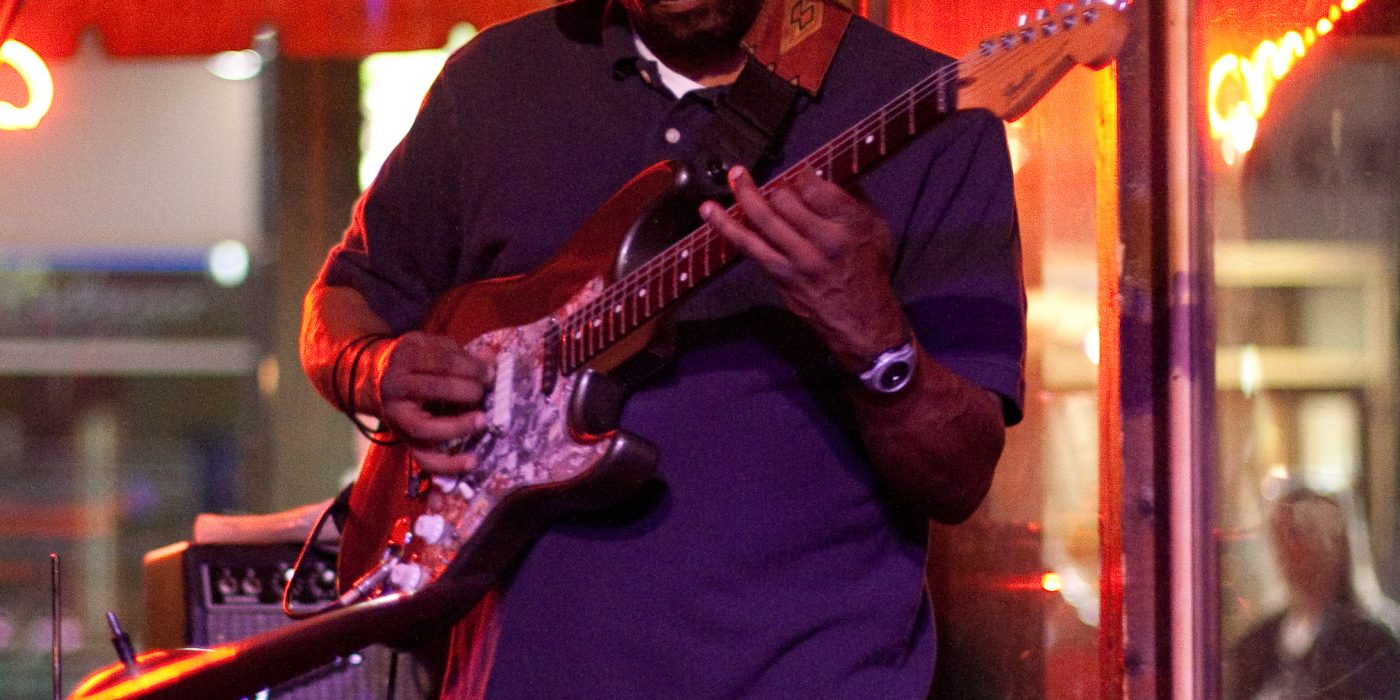
The guitar solo is not dead. It has been declared dead several times, most insistently in the early 2010s when guitar-based rock music ceded significant cultural space to electronic production and streaming-era pop. What actually happened is more interesting: the guitar solo retreated from the mainstream without disappearing from music, and in doing so it found a home in contexts that were better suited to what it does well.
The guitar solo, at its most essential, is a formal declaration that we are pausing the song’s forward momentum to listen to a single instrument demonstrate a kind of mastery. It is inherently theatrical and slightly old-fashioned, which is why it works so well in contexts that embrace theatricality and tradition, and why it sits awkwardly in music that is trying to feel current.
Jazz never stopped having instrumental solos. Metal never stopped centering them. The blues has always organized itself around them. In country music, the pedal steel guitar solo is a genre convention with a specific emotional function. The idea that the solo died is really the idea that the radio-friendly rock solo, the kind that peaked with the arena rock of the 1970s and 1980s, became less commercially dominant. That is true and also less significant than the discourse suggested.
What has happened instead is a diffusion. The kind of extended guitar exploration that once belonged to a specific commercial genre now appears across a much wider range of music, from the shoegaze-adjacent indie bands to the ambient country-influenced work that Adrianne Lenker and her contemporaries do. The guitar solo did not die. It stopped being a requirement and became a choice, which in some ways made it more interesting.