 Into The Music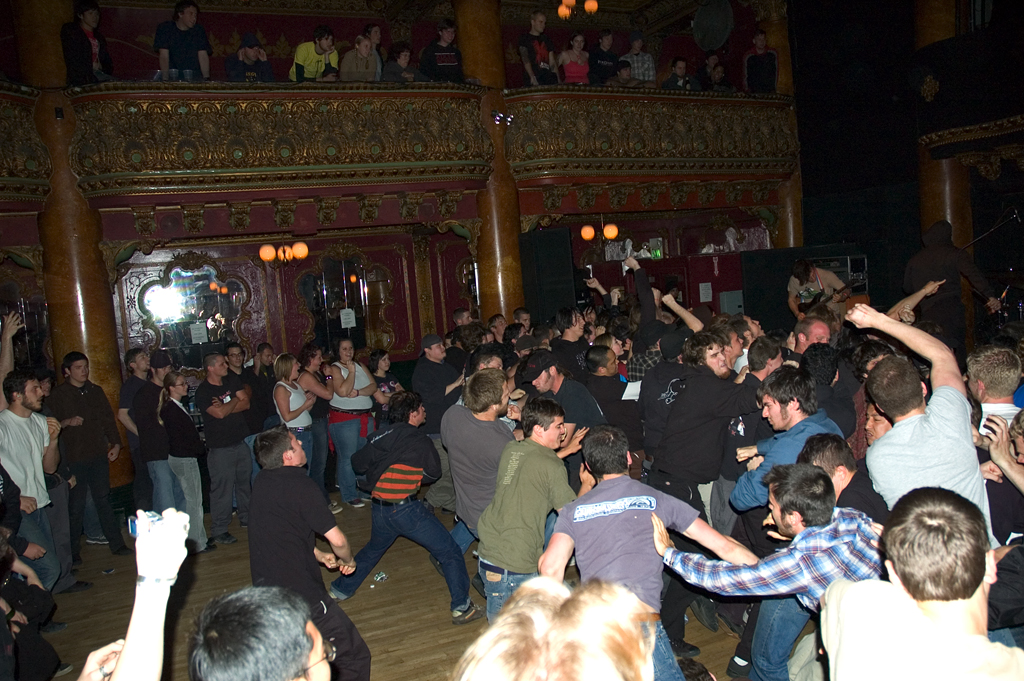
The economics of live music have been warping for years, but 2026 feels like the moment when the pressure has become unavoidable at every level of the touring ecosystem. Coachella announced its lineup last week. The Future Islands North Carolina tour announcement generated think pieces about what regional touring means when a band chooses geography over markets. Muse sold out a 25-date North American run with Bloc Party and Portugal. The Man as support. Every one of these events is a data point in the same story: live performance has become the only financial model that reliably works, and that fact is changing everything about how music gets made, released, and sustained.
The shift has been slow enough that it was easy to explain away each individual symptom. Streaming killed album revenue, yes, but the accounting was always opaque and the actual per-stream rates were always too small to support a career at any level below the very top. Sync licensing became more competitive. Publishing advances dried up for artists who were not already massive. Merchandise margins got eaten by the platforms that now charge bands to use their own storefronts. The cumulative effect of all of this was the same in every case: the only way to actually get paid for making music was to stand on a stage and play it.
For the upper tier of the industry, this has been a period of spectacular growth. Taylor Swift’s Eras Tour became the highest-grossing concert tour in recorded history. Beyonce’s Renaissance tour did similar numbers. The model works brilliantly when the artist in question has a catalog deep enough to fill two hours and a fanbase willing to pay three hundred dollars a ticket. The problem is what this creates for everyone else.
The club circuit has been eroding for years. Not because audiences have stopped going to shows, but because the economics of running a 200-capacity venue in a mid-tier city have become genuinely untenable. Rising commercial rents, noise ordinances, licensing changes, the loss of pandemic-era small business support, and the concentration of the live events business into a handful of vertically integrated companies have all contributed. When a small venue closes, it is not replaced. The infrastructure for early-career artists to tour and build audiences at the grassroots level is shrinking.
The middle tier of the business feels this most acutely. An artist with a few hundred thousand monthly listeners on streaming and a devoted enough fanbase to sell 500 tickets in a dozen cities is theoretically successful by most pre-streaming definitions of the word. In practice, that artist is running a touring operation that barely pays for itself after agent fees, booking fees, venue splits, merchandise fulfillment, and crew wages. The math requires either a touring partner who can share costs, a label subsidizing the losses, or a decision to stop touring at a scale that was supposed to represent arrival.
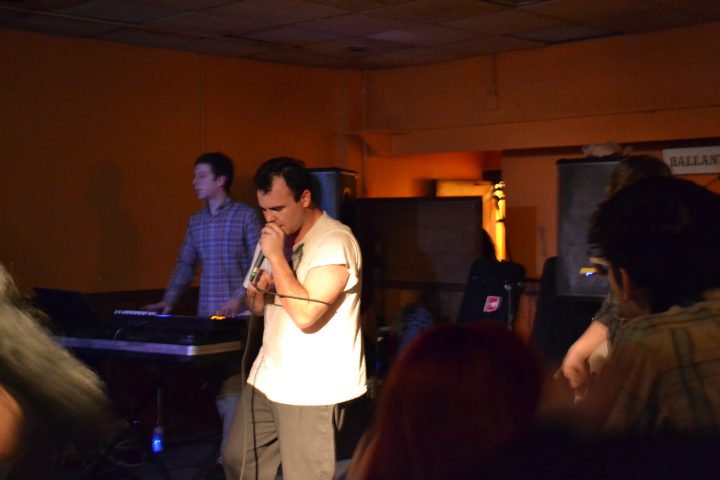
The regional touring announcement Future Islands made this week is interesting precisely because it represents one answer to this problem. Instead of doing a full national tour at venues sized to their streaming numbers, they are doing something smaller and more specific: a series of dates in a single state, building community rather than demonstrating market scale. It is a model that older independent touring artists have been moving toward for a while, but seeing it from an act with their profile makes it feel more like a statement.
The festival circuit provides the other escape valve, and the lineup decisions that drive festival booking now function as a kind of secondary economy that shapes which artists can afford to keep touring at all. A Coachella slot at the right level funds a year of smaller touring. A Glastonbury slot does the same. The concentration of this leverage in the hands of a very small number of festival programmers has made the booking process more powerful and more political than it has ever been.
None of this has a clean resolution. The question of how artists in the middle of the ecosystem sustain careers in a world where recordings do not generate meaningful income is one the industry has been deferring for fifteen years. The deferral is running out of road. What comes next will depend on whether the artists and audiences who care about live music at every scale are willing to do the structural work of supporting the venues and touring infrastructure that make it possible.
Right now, that work is not happening fast enough. And the music being lost in the gap is the kind that tends not to make noise when it disappears.