 Into The Music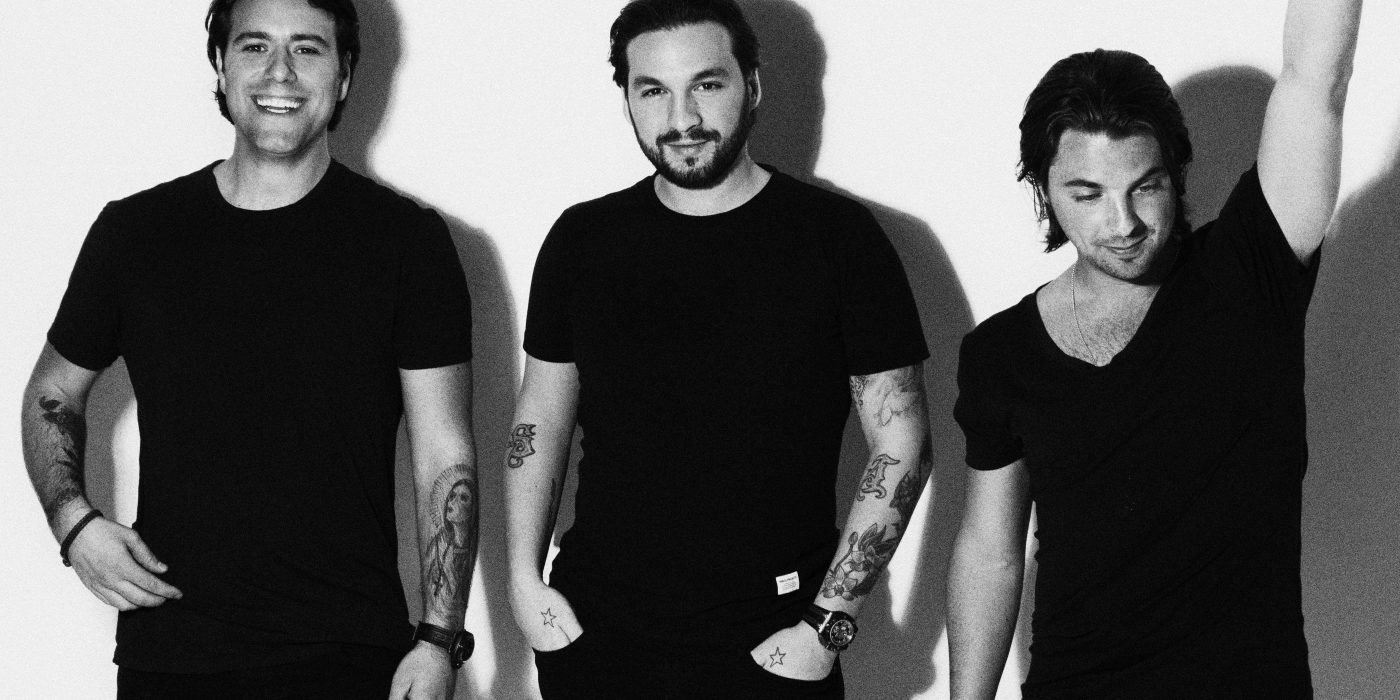
Sebastian Ingrosso and Steve Angello played back-to-back at Ultra Miami on Saturday night. Two thirds of Swedish House Mafia, without Axwell, in the city where their legend was partly built. The crowd received it as something close to a reunion. The promoters billed it as two artists performing together. The distinction is not trivial, and it touches something that has become one of the defining tensions in modern live music: the partial comeback, the incomplete return, the reunion that happens in everything but name.
What do we actually want from reunions? The question sounds simple but the answers are genuinely complicated, and the music industry’s current enthusiasm for incomplete versions of beloved acts is putting the tension on display in ways it has not been before.
The traditional reunion logic is clean: the original lineup, or as close to it as you can get, performing the catalog that the original lineup made. The pull is nostalgia but also something more specific, the desire to be in the room for a thing you missed, or to be in the room again for a thing you loved. What a partial reunion offers is something murkier. It is the outline of the experience with a piece removed. Whether that piece is the important piece depends on who is in the room and what they came for.
Swedish House Mafia went through their own version of this already. They broke up in 2013, reunited for a headline Ultra performance in 2018, and spent several years in an uneasy limbo before releasing new music and eventually disbanding again in a way that was never formally announced so much as gradually confirmed by the silence. What Ingrosso and Angello are doing now is not a Swedish House Mafia reunion. It is two members of that group doing what they would do anyway, which happens to overlap with what fans of that group want to see. The gap between those two descriptions is where the discomfort lives.
The partial comeback is not new. It has been part of rock music since the seventies. What is new is the scale of it and the degree to which audiences are being asked to accept branded half-reunions as equivalent to the real thing. When a band loses one member and continues under the same name, that is one category of thing. When two thirds of a group perform their collaborative history without acknowledging the third, that is a different category. When original members begin referring to new lineups as the authentic version of the group, something stranger is happening, a renegotiation of what the group was ever actually supposed to be.
The economics make this harder to untangle. Full reunions require agreement from everyone involved, which means negotiating with people who may have left under bad circumstances, who may have divergent financial expectations, or who simply do not want to revisit the past. Partial reunions require agreement from fewer people and can still trade on the name recognition of the whole. For promoters and labels, the math is attractive. For fans, it depends on what exactly they were fans of.
Some partial reunions work better than they have any right to. The Eagles with Vince Gill and Deacon Frey after Glenn Frey’s death is one version of this, a band that explicitly acknowledged the absence and asked the audience to hold both things at once. That approach, honesty about what is missing, tends to produce a more durable result than the alternative, which is to pretend that the lineup on stage is simply what the group is now, without accounting for the history.
What is interesting about the Ingrosso-Angello set at Ultra is that it did not pretend anything. It was presented as two people performing together. Fans who read Swedish House Mafia into it were doing that themselves. The emotional experience may have been identical to watching a reunion, but the framing left the door open. Whether that is a more honest version of the partial comeback or simply a more sophisticated version of having it both ways is a question the industry has not sorted out.
The reunion economy is not going away. If anything, it is expanding. Artists who split decades ago are finding that the catalog is worth more in a room than it is on a streaming platform, and the economics of touring have made the calculation clearer. The question audiences will keep being asked to answer is not whether they want reunions. They obviously do. The question is how much of the original thing needs to be there for the word to still apply. Saturday night in Miami suggested the answer might be: less than you think, if the two people on stage are committed enough to the material.