 Into The Music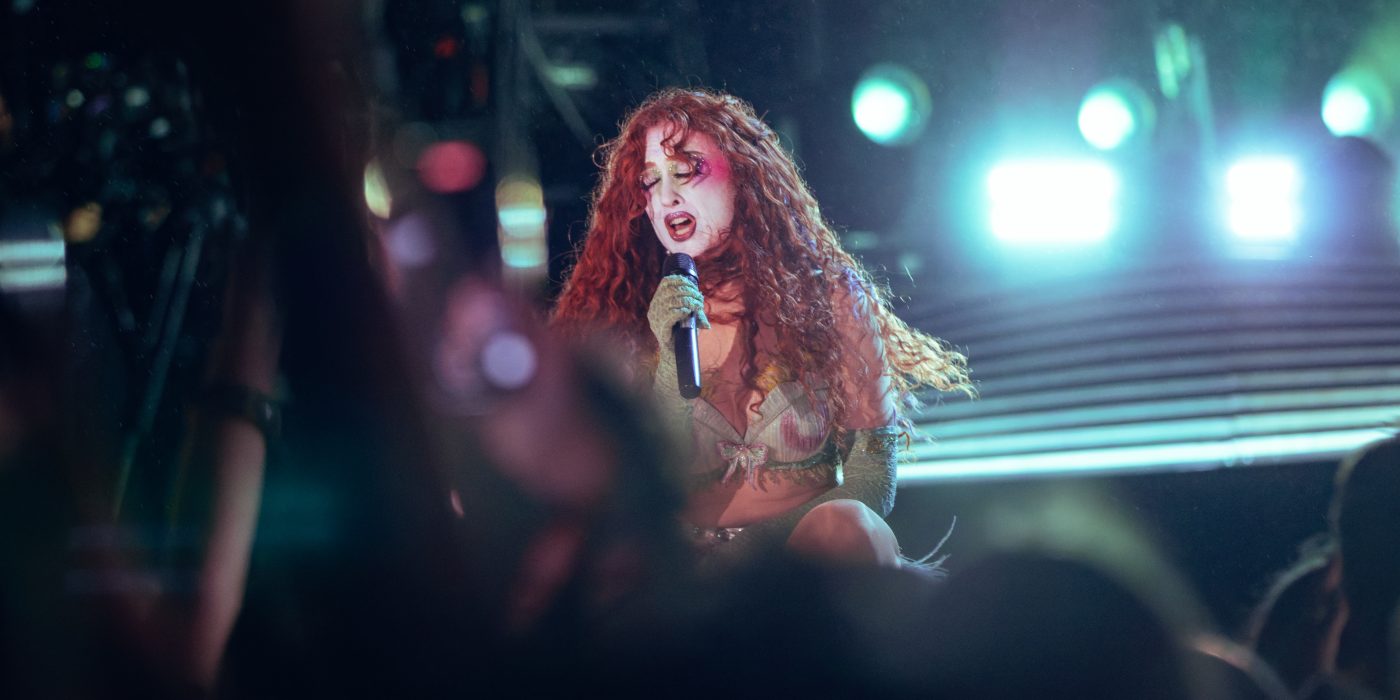
Chappell Roan told a paparazzo to stop following her. Then, a few weeks later, a bodyguard who works for her asked someone to step back. Neither of these events involved violence, threats, or anything other than a person asserting that they would like some space. The backlash, across tabloids and social media comment sections, was immediate and disproportionate. Roan was called difficult, ungrateful, a diva. The narrative machine that had spent two years celebrating her was suddenly very interested in punishing her for having preferences about her own body and proximity.
Last week, Zara Larsson said out loud what a lot of people were thinking. “When a woman has boundaries, I think people freak out. Men can do violent criminal things, and people applaud them, but when a woman says, ‘Stop following me,’ it’s controversial? You guys just hate women, actually.” It was the kind of thing that is obvious once you hear it and somehow still controversial to say.
The Roan situation is not new, but it is a useful case study because it is so clearly documented. The timeline is legible: breakthrough success, media adoration, enormous public profile, followed quickly by the beginning of a different kind of coverage. The coverage that looks for the crack in the image, the moment when the beloved artist says or does something that can be reframed as a flaw. For women in pop, that crack is almost always about attitude. Not about talent, output, or professional conduct. Just the question of whether she is sufficiently pleasant to deal with.
Male artists in comparable situations get different vocabulary. They are intense. They are serious about their craft. They have demands because they have standards. The Kanye-scale example is the far end of this: a man who has spent years in documented erratic behavior gets described as a visionary artist wrestling with his demons, while a woman who asks not to be followed on the street is described as ungrateful.
This is not a new observation. The double standard in how female artists are covered has been documented in academic research and music criticism for decades. What changes is how it manifests in each era. In the 1990s it was the Madonna-whore framing applied to artists like Alanis Morissette or Fiona Apple, both of whom were called difficult, unhinged, or too angry. In the 2000s and 2010s it was the tabloid surveillance apparatus focused on female artists’ bodies, relationships, and breakdowns. In 2026 the mechanism is faster, running through social media at a speed that used to take months to develop and now takes hours.
The Larsson defense matters not because it will change anything structurally but because naming the dynamic clearly is useful. The question “why does everyone care so much when Chappell Roan sets a boundary?” has a straightforward answer: because there is a large audience that has been trained by decades of media coverage to expect female artists to be endlessly accommodating, and discomfort when they are not. Larsson named it. That is something.
What would actually change things is coverage that applies the same standard to everyone. That when a man is photographed shouting at a photographer it is noted and forgotten. That when a woman does the same it is also noted and forgotten. That artist autonomy over their own space is treated as a normal expectation rather than a favor granted to some people but not others.
We are not there yet. But Roan is still working. She is still making music, still performing, still being one of the most interesting artists in mainstream pop. The backlash did not stop her. That is also worth noting.