 Into The Music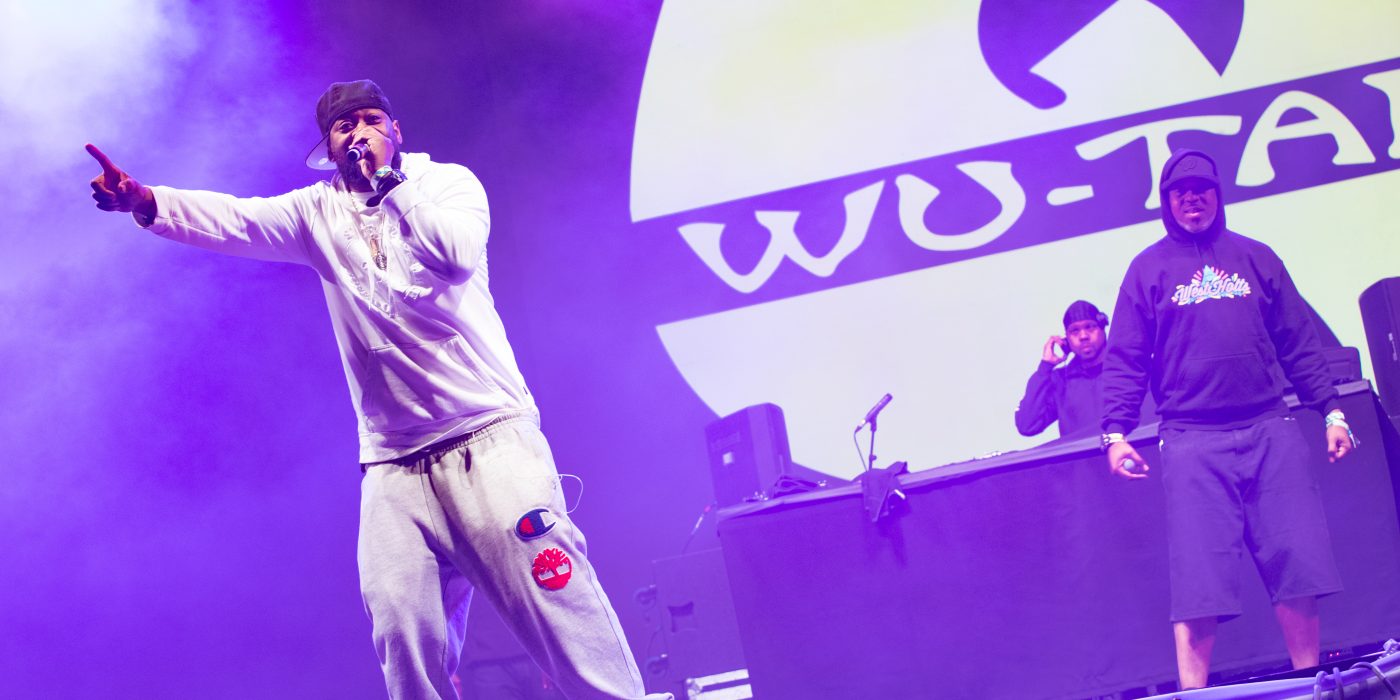
The Wu-Tang Clan called this tour “The Final Chamber.” The name carried weight, the implication being that this was the end, the last chance to see something irreplaceable. Fans paid premium prices for that promise. Some of them flew across oceans.
When the shows reached Australia, Method Man was not there. Neither was Raekwon. Neither was Cappadonna. Young Dirty Bastard, son of Ol’ Dirty Bastard, also did not appear. Ticketek, the Australian ticketing platform, sent an email to buyers acknowledging that “due to unforeseen circumstances, a couple of members will be unable to join the remaining tour dates.” It offered refunds to anyone who wanted them.
That word “couple” is doing a lot of work. Method Man alone is arguably the most recognizable Wu-Tang member outside of the core rap world. His absence is not a minor footnote. For many fans, particularly those who did not grow up deep in hip-hop, Method Man is Wu-Tang. Raekwon contributed some of the most critically acclaimed solo work associated with the collective. Their absence changes what the audience is watching.
The Wu-Tang Clan as a live proposition has always been complex. The group has nine surviving members, and assembling all of them for any given performance has rarely happened in recent years. The understanding in hip-hop circles has long been that a Wu-Tang show is more of a collective performance than a complete reunion. Fans with that context adjust their expectations accordingly.
The Australian audience was not sold that context. They were sold “Wu-Tang Clan, The Final Chamber Tour.” The gap between those two things is the problem.
What the Australian situation exposes is a broader tension around how legacy acts are marketed and what responsibility the machine behind them carries when the product does not match the pitch. This is not a new problem. Reunion tours have always involved negotiation, absences, and the occasional refund situation. But the language of finality, the deployment of “last time” and “final” as premium marketing, creates a specific contract with the buyer. If this is the last opportunity to see something, the “something” should show up.
RZA, GZA, Ghostface Killah, Inspectah Deck, U-God, and Masta Killa performed. That is six of the surviving nine members, and by any reasonable definition it is still a Wu-Tang performance. The music was played. The classics were performed. Fans who attended without knowing about the absences in advance described the shows as good.
But “good” is not what “The Final Chamber” sold. The Final Chamber sold something definitive. Definitive implies complete. Complete implies everyone who matters shows up.
The live music industry is navigating this problem across multiple formats right now. Hologram concerts promise the dead. Partial reunions package nostalgia with asterisks in the fine print. Legacy tours sometimes substitute original members with touring musicians without prominent disclosure. The legal machinery almost always protects the promoter. The fan is left holding a ticket for something that was described as one thing and delivered as another.
The refund offer from Ticketek was the right move. It acknowledged that what was sold and what was delivered were different enough that buyers deserved a choice. It did not make the situation right. It made it less wrong.
What would make it right is straightforward, and expensive. If you sell a show as a final, complete, definitive event, you build in the contractual and financial infrastructure to ensure the lineup shows up. You do not use “final” as a marketing word without consequences attached to it. You treat the audience like adults who paid for something specific, not as fans who should be grateful for whatever portion of the thing arrives.
The Wu-Tang Clan made some of the most important records in hip-hop history. That history does not shrink because of what happened in Australia. But the tour decisions and the marketing around them are a reminder that legacy does not manage itself, and that the business of nostalgia carries obligations the music itself never asked for.