 Into The Music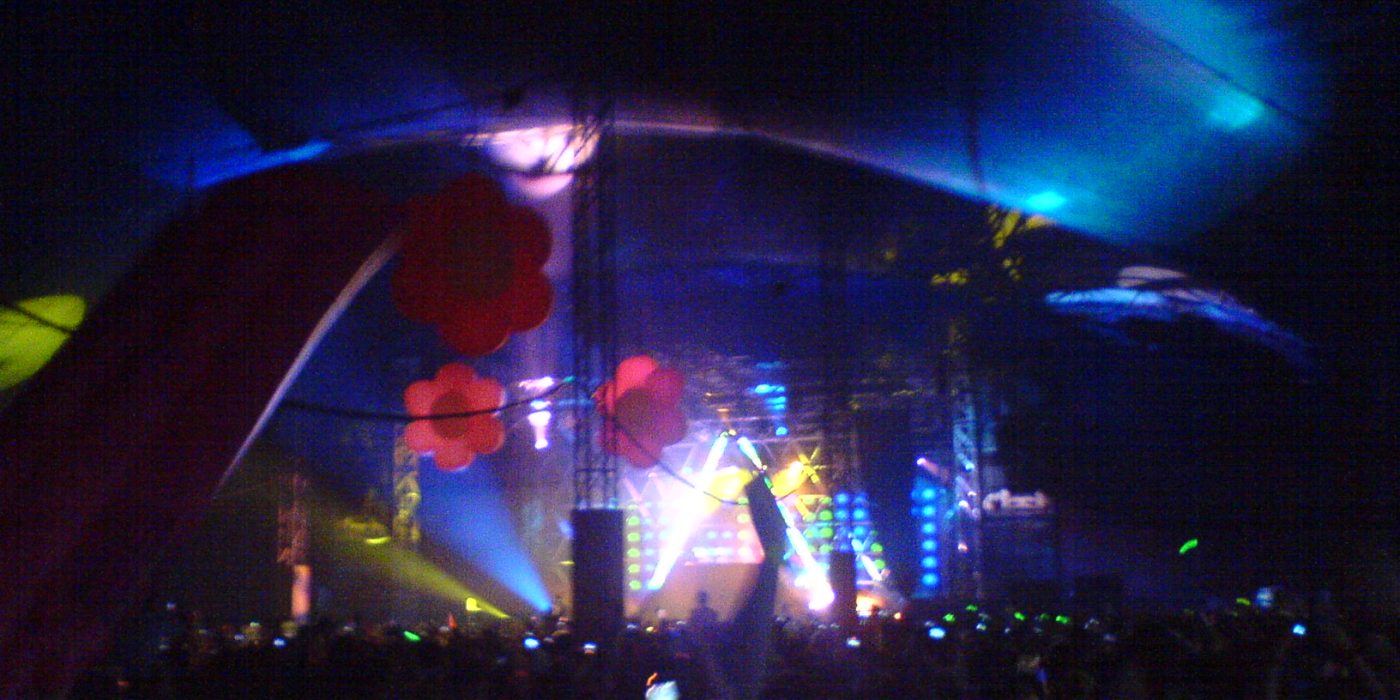
Thomas Bangalter played a DJ set last month. He was a special guest during Fred again..’s residency at Alexandra Palace in London, and the two of them played back to back for an extended stretch that included Daft Punk classics. The footage has now been released, and the music world has been processing it ever since, but the footage is almost beside the point. The point is that it happened.
Bangalter has not performed live in seventeen years. He and Guy-Manuel de Homem-Christo announced Daft Punk’s split in February 2021 with a farewell video that was graceful and final and deeply strange, the way all Daft Punk moments were. There was no drama. No falling out that got reported. No tour. No reunion tease. Just a video called Epilogue, and then silence.
In the years since, Bangalter has not been entirely invisible. He released a classical orchestral album, Mythologies, in 2023. He gave rare interviews. He talked about the decision to stop being Daft Punk as something freeing, which seemed true and also like something you would say whether or not it was completely true. He was not performing, and he did not appear to be about to start.
So the Alexandra Palace appearance was not nothing. It was the first sign that some form of performing is back in his life, and it arrived in a context that makes a certain kind of sense. Fred again.. is the artist most directly working in the tradition Daft Punk helped create, the idea of dance music as emotional architecture, music that is personal and ecstatic and made for rooms where large numbers of strangers share something momentary. Fred again.. treats a DJ set as a live composition. Bangalter, when he was Daft Punk, treated a stage show as a total environment. They are coming from related places.
What made Daft Punk important was not the helmets or the mythology, though those mattered. What made them important was the insistence that electronic music could do everything. It could be physically demanding and intellectually rigorous and emotionally overwhelming and also fun. Discovery is still one of the most purely enjoyable records ever made. Human After All is an industrial slab that somehow also makes you want to move. Random Access Memories is a love letter to Los Angeles studio craft that managed to be both sincere and technically extraordinary at once.
The retirement happened, and then a strange thing happened after: the influence kept growing. Not just Bangalter’s influence, but the specific thing Daft Punk were doing, the idea that dance music had feelings and ideas and ambition. That influence is audible in Fred again.., obviously, but also in Kaytranada, in Four Tet, in the entire ecosystem of producers who treat albums as complete works rather than collections of tracks. The robots left and their DNA was everywhere.
What the Alexandra Palace set means practically is unclear. One appearance does not equal a comeback. Bangalter has not announced anything. But the fact of it, one half of Daft Punk standing in front of a large crowd playing music again after seventeen years away, is not a small thing. It is the kind of moment that changes the shape of what seems possible.
There is a version of this where it stays a one-off. A guest appearance among friends, a night of music that will be written about and analyzed and eventually mythologized the way all Daft Punk moments eventually are. There is another version where it is the beginning of something. Either way, the footage is extraordinary, and the feeling it produces is specific and hard to describe: it is the feeling of something you thought was finished turning out to not be finished yet. Which is, of course, exactly the kind of trick Daft Punk would pull.