 Into The Music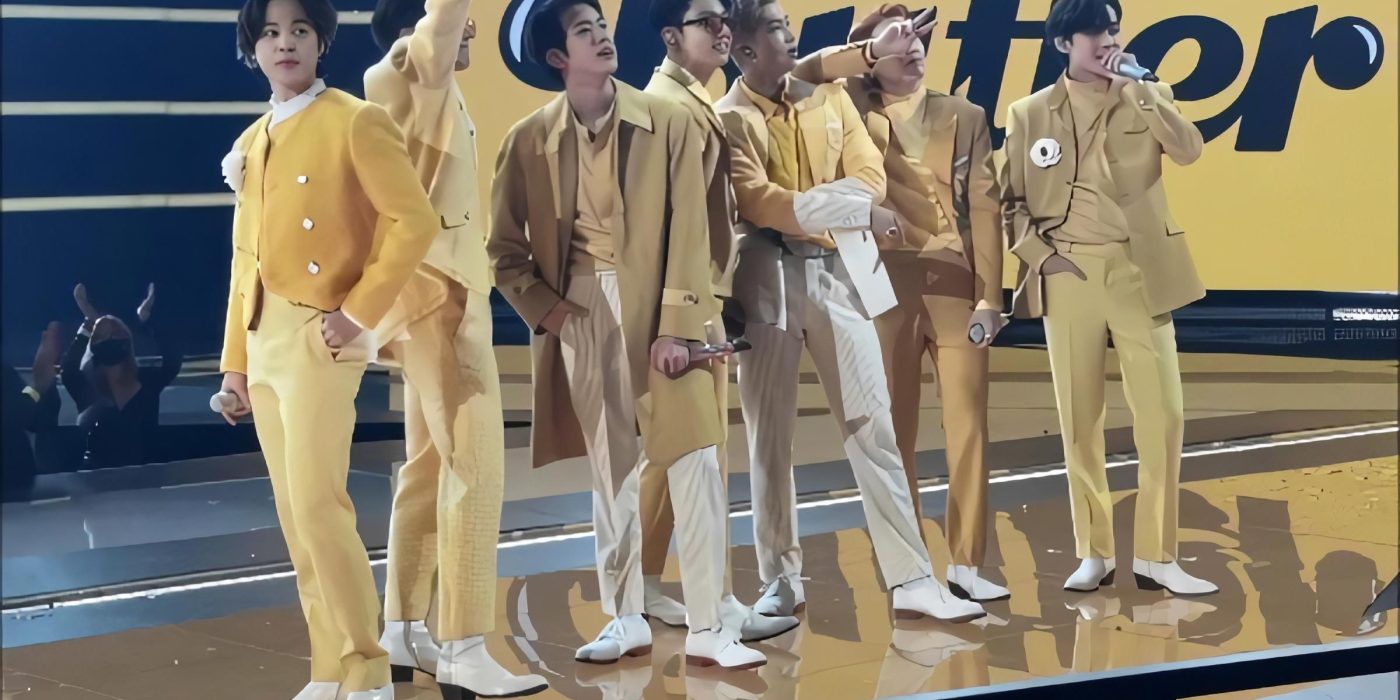
BTS released Arirang this week and the sales numbers broke records that had stood for over a decade. The obvious story is about those numbers: 641,000 copies in a week, the biggest group first-week sales since One Direction in 2013, records falling on Spotify and Apple Music within hours of the album going live. But the more interesting story is not what the album sold. It is what it took to get here, and what that process reveals about the relationship between a major pop act and an audience that has genuinely never behaved like any fan base that came before it.
BTS announced their group hiatus in 2022. All seven members entered South Korean military service on staggered schedules over the following two years. This is mandatory for Korean men, not optional, and not something BTS was in a position to negotiate around regardless of their commercial weight. The announcement hit an audience of millions of devoted fans and landed with something between grief and acceptance, because ARMY, the BTS fan community, had been trained by years of interaction with the group to receive difficult information directly and process it in public.
What happened during the gap years is a case study in how a fandom can function as sustaining infrastructure for an act that is temporarily not producing new material. BTS members released solo albums, gave interviews, appeared at public events, posted on Weverse, the platform designed specifically for parasocial maintenance of idol-fan relationships. The audience did not dissipate. It reorganized around the available content and waited. Streaming numbers for old albums remained steady. The conversation on fan forums continued. New fans entered the ecosystem through the solo work and backfilled their way into the full catalog.
None of this is exactly new in K-pop, where the relationship between artists and fans is built on a different architecture than in Western pop. K-pop fandoms are not passive audiences. They are active participants in the commercial success of the artists they support. They buy multiple copies of albums. They organize streaming parties to boost chart performance. They fund fan projects. They campaign for awards. They maintain presence on behalf of artists in ways that no PR infrastructure could replicate or afford. ARMY is simply the largest and most organized version of something that is structural to the genre.
What BTS did during the hiatus was lean into that relationship without trying to exploit it. The solo work was genuine. The communication was more transparent than the industry typically allows. Members talked about what military service was actually like, about anxiety and adjustment and the strangeness of becoming a private citizen after years of public life. Jin joked about coming back to find that the album had largely been written without him. That honesty did not undermine the reunion; it deepened the emotional logic of it.
Arirang, then, is not just a record. It is the conclusion of a multi-year narrative that the audience has been living inside. The gap years were not empty time. They were content, in the broadest sense: an ongoing story about seven people navigating an unusual life, told in real time, with genuine stakes and genuine feeling. The album is the payoff. The sales numbers are the audience saying: we were here the whole time.
This matters beyond BTS. It is a model that the music industry has not fully reckoned with, partly because it requires a level of trust between artists and fans that most pop acts cannot sustain and most labels will not permit. The machinery of modern pop is built around controlled messaging, calculated rollouts, and the management of distance between artist and audience. BTS, and K-pop at its best, operates on nearness. The audience does not feel like a consumer demographic. It feels like a relationship. The sales figures this week are not just a testament to how good the album is. They are evidence of what that relationship can generate when it is maintained over years and treated with respect.
The Arirang World Tour begins this summer. It will sell out quickly. That is not a prediction. It is a logical consequence of what has been built.