 Into The Music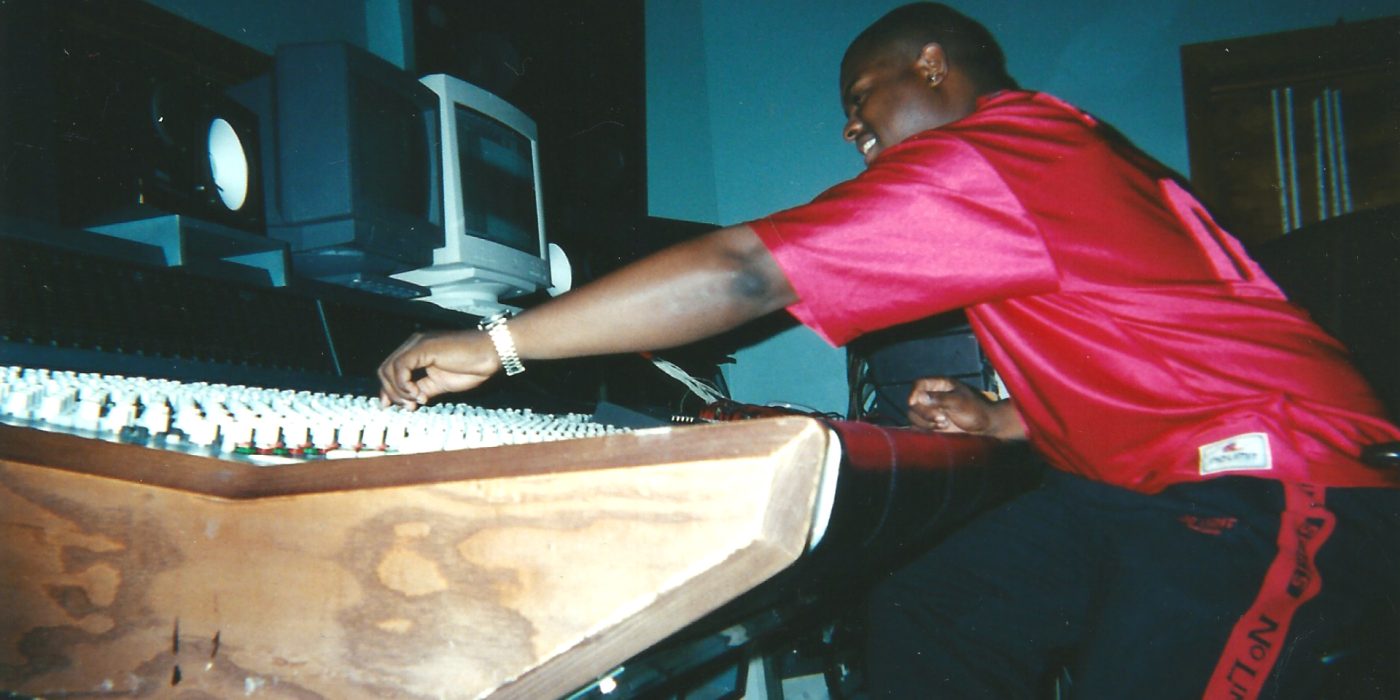
The relationship between a song and its producer has always been more complicated than credits suggest, but streaming has made that complexity more visible and the questions more pointed.
For most of the twentieth century, the producer was the person in the room who shaped the sound. George Martin’s contributions to the Beatles records are extensively documented and widely understood to have been constitutive rather than supportive. Phil Spector built a production style so distinctive that the records he made in the early 1960s sound more like each other than like anything else from that era. Brian Wilson produced his own records, which made the question of where the songs ended and the production began essentially unanswerable.
The producer’s role in contemporary pop is at once more central and less visible. A hit song in 2025 typically involves a songwriter who may or may not be the performer, a producer or production team who built the track, possibly a co-writer or topline writer who contributed melody or lyrics, and additional contributors who handled specific elements. The performer whose name is on the release may have been the last person to touch the track. Or the first. Or both.
Streaming has not resolved this ambiguity. It has changed who gets paid, which is a related but different question. The proliferation of co-writing credits on contemporary releases reflects both the reality of collaborative production and the financial incentive to claim a share of publishing. A song with five credited writers may have been genuinely collaborative. It may also reflect a negotiation that happened after the fact.
None of this is new to the music industry. What is new is that listeners are more aware of it, more likely to research the credits, and more willing to form opinions about what the credits mean for how they hear the music. Whether that awareness changes anything about how music gets made remains an open question.