 Into The Music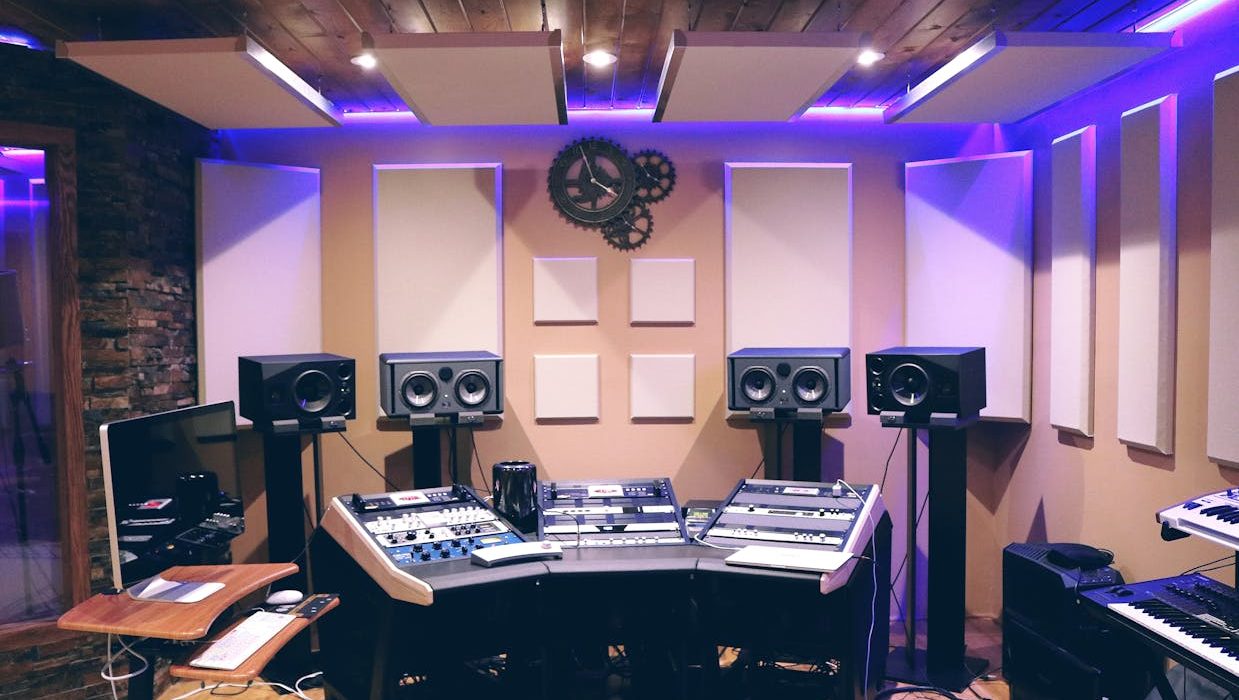
King Tuff went back to Vermont and used the same Tascam 388 tape machine he made his debut on. Adele recorded 30 using analog equipment as a deliberate aesthetic choice. Mdou Moctar has spoken about how tape shapes his sound. Arctic Monkeys haven’t been shy about their studio obsessions. And on Sunya, out this month, The Dear Hunter built entire tracks around the texture of analog recording. This is not nostalgia. Something more specific is happening.
The tape revival started becoming visible around 2010, when a cluster of artists began publicizing their analog sessions as a kind of credentialing. At that moment, it was partly a reaction to the clinical perfection of Pro Tools era production, and partly genuine aesthetic preference. A decade and a half later, the conversation has changed. Tape is no longer a reaction to anything. It has become a tool with a specific set of properties that artists pursue deliberately, independent of what the mainstream is doing.
What does tape actually offer? The short answer is saturation, natural compression, and a ceiling that becomes part of the sound. When you push tape harder, it responds in ways that digital recording does not. The high frequencies roll off slightly. The transients soften at the edges. The low end becomes rounder and more cohesive. This is not a subtle effect that only engineers can hear. It is audible on the record, and it shapes how a song feels before you consciously register it. Listeners notice it as “warmth” without necessarily knowing why.
But the tape revival is not just about sonic properties. It is also about constraint. Digital recording offers unlimited tracks, infinite undo, and the ability to fix nearly anything in post. Tape machines have a fixed track count. They cost money to run. They require committing to a performance. These limitations force decisions that digital recording lets artists defer indefinitely. King Tuff using his old Tascam 388, specifically because it was the machine he learned on, is not just a sound choice. It is a decision-making structure. The record’s energy comes partly from having to commit.
This logic has spread further into production methodology broadly. Producers like Rick Rubin, Alex Newport, and Justin Raisen, who work across different genres, have all articulated versions of the same argument: the friction of a tool shapes what you do with it, and analog tools create friction that tends to produce more interesting music. That argument is debated, because plenty of excellent music has been made entirely in digital environments. But the artists making the strongest case for analog right now aren’t arguing against digital so much as arguing for a specific feeling that tape generates, both in the recording process and in the listener’s experience of the result.
The deeper question is whether this represents a fundamental shift in how artists think about recording, or whether it is a recurring pendulum swing between polish and texture. The answer is probably both. Tape never went away entirely, even at its lowest point in the early 2000s. But the intentionality with which artists are returning to it now, the way they are building entire albums around what the medium can and cannot do, suggests something more than trend. It suggests a conversation about what records are supposed to feel like, one that the music industry has been having in some form since the beginning, and that keeps producing answers worth hearing.
King Tuff’s Moo, released March 27, is the most recent example of a musician choosing the tool because of what it costs him to use it. The record sounds alive because it was forced to be. That is not an accident. That is the tape machine doing its job.