 Into The Music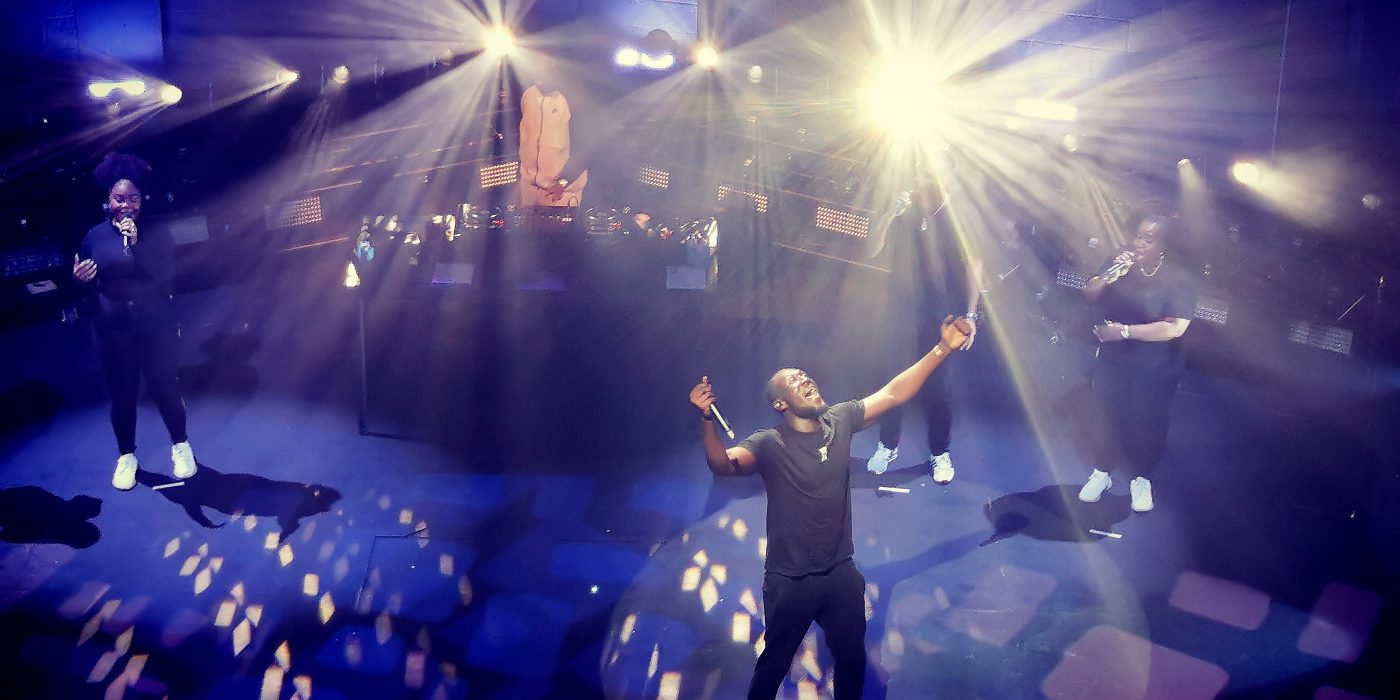
Grime did not announce itself. It arrived in the early 2000s out of East London, out of pirate radio and estate-block living rooms, out of a moment when UK garage was splintering and the fragments were landing in different places. What stuck in Bow and Bethnal Green and Newham was faster, sharper, and more interested in being unsettling than in making you dance. Dizzee Rascal’s “Boy in da Corner” in 2003 was the first time most people outside that specific geography heard what was happening, and even then, a lot of people did not quite know what to make of it.
The tempo: 140 BPM. The production aesthetic: metallic, jerky, full of sudden gaps and ominous synth lines and bass that felt like the ground shifting under you. The lyrical content: life in a specific set of postcodes, bravado and vulnerability running simultaneously, a speed of delivery that had more in common with American rap than with anything else in British music but did not sound like American rap at all. This was not an import. It was homegrown in a way that the music kept insisting on.
The MC was the central figure. Not a rapper exactly, not in the American sense, though the lineage from hip-hop is real and acknowledged. A grime MC brought a combativeness and a verbal dexterity that had its own tradition, rooted in reggae soundsystem culture and jungle MCs and the call-and-response of pirate radio. Wiley, who is generally credited as one of the genre’s primary architects, built a career that stretched across decades and served as an introduction to grime for multiple generations of listeners. Skepta, who took the form international with “Konnichiwa” in 2016, demonstrated that the appeal was not parochial.
What grime expressed, when it was working at its best, was a specific kind of defiance rooted in being from somewhere the mainstream did not consider central. The energy was not aspirational in the way that commercial hip-hop could be. It was not trying to sell you a lifestyle. It was describing what it actually felt like to be where these artists were, which involved frustration and humor and community and violence in proportions that varied by song but were never sanitized.
The genre had a complicated relationship with mainstream success from the beginning. There were multiple moments in the mid-2000s when it seemed about to break through into pop radio and then did not, partly due to SOCA’s Form 696, a Metropolitan Police form that music venues were required to fill out for certain events, specifying the ethnicity of the expected audience. The form was widely seen as targeting Black music events and had a chilling effect on grime nights in particular. The genre survived it. The form was eventually scrapped in 2017 after years of campaigning, but the damage to the scene’s mainstream moment was done.
Stormzy’s Glastonbury headline slot in 2019 was the most visible version of a longer reclamation. Standing on the Pyramid Stage in front of a crowd that numbered in the hundreds of thousands, performing music that had been created in rooms the Glastonbury bookers would not have recognized, wearing a stab-proof vest designed by Banksy while a choir backed him, he was making a point that did not need to be stated. The genre had arrived, on its own terms, and it had not softened to do so.
Where grime exists now is complicated. Artists like Dave, Little Simz, and Central Cee have absorbed elements of it into wider forms that draw on afroswing, drill, UK hip-hop, and other currents. The pure-grime moment may have passed, but the sensibility, that specific confrontational clarity, that insistence on describing where you are from without apology, is still a living presence in British music. It did not invent UK rap, but it made it possible to imagine what UK rap could actually be. That is a significant thing to have done.
The pirate radio stations are mostly gone, replaced by streaming and social media. But the energy they transmitted is still moving through the music, still showing up in unexpected places, still doing the thing that grime always did: refusing to ask permission.
What grime shares with the great concept album tradition is a sense of total worldbuilding , the music isn’t illustrating a scene, it’s constructing one. Early Wiley productions, the Logan Sama sets, the pirate radio stuff , there’s a coherent sonic universe being built in real time, without any central authority deciding what counts. You can trace a similar energy in German krautrock, where Cologne and Düsseldorf scenes were building something internally consistent without needing external validation. The difference is grime did it faster, rougher, and with an economic reality attached that gave it a tension krautrock never had. That tension is where the genre lives.