 Into The Music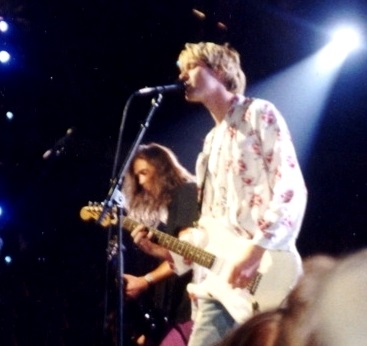
Grunge was always an uncomfortable genre even for the people who made it. The musicians most associated with it largely rejected the label, hated the word, and watched their deliberately difficult music get processed into a marketing category that could sell flannel shirts. That discomfort, that friction between the music and what the industry wanted to do with it, is still the most honest thing about grunge in 2026. It made a genre out of ambivalence and then had to watch ambivalence become a product.
The scene that produced the sound had been building in Seattle since the early 1980s, sustained by a handful of labels (Sub Pop most visibly), a network of DIY venues, and a set of bands working through the tension between punk’s energy and hard rock’s volume. Green River, Mudhoney, Soundgarden, and Alice in Chains were all in this ecosystem before Nirvana made it global. The local context was important. Seattle in that era was cheap enough to be creative in and far enough from the industry centers on either coast that it developed its own logic.
The sound itself was built from specific elements: heavily distorted guitar with a compressed, almost sludgy quality, dynamic structures that moved between hushed and explosive, and vocals that used melody to carry emotional weight without the polish of mainstream rock. The production aesthetic favored density and grit over clarity. The performances were often loose in ways that felt intentional, a refusal of the technical perfection that defined hair metal and arena rock in the same period.
Nirvana is impossible to discuss without noting the sheer scale of what Nevermind did in 1991. The album did not invent grunge. It did something arguably more consequential: it broke the commercial barrier between underground rock and the mainstream in a way that had not happened since punk, and it did so with a record that was genuinely uncomfortable. “Smells Like Teen Spirit” is a song that sounds like it should not have worked as a top 40 single, and then it was everywhere. The aftermath was total.
What happened after the commercial breakthrough is the more interesting part of the story. Pearl Jam and Soundgarden both found ways to survive the attention that Nirvana’s success brought to the genre, building long careers by refusing to be pinned down. Pearl Jam’s catalog is one of the most underrated in American rock precisely because it kept developing in directions that the “grunge band” category could not contain. Vs., Vitalogy, No Code form a run of records that would have cemented any artist’s reputation if they had been allowed to be heard outside the context of the scene that launched them.
Alice in Chains deserve a different kind of recognition. Dirt is the most emotionally harrowing record to come out of the Seattle scene, a document of addiction and self-destruction that sounds like it cost the people who made it more than any record should. The guitar interplay between Jerry Cantrell and the vocal harmonies that characterized the band’s sound at their peak were genuinely unlike anything else in rock music. They belong in a different conversation than the one that groups them with Pearl Jam and Nirvana purely on the basis of geography and release date.
The legacy of grunge is complicated by what happened to several of its central figures and by the way the genre got hollowed out by commercial imitation in the mid-1990s. The second wave of bands that got labeled grunge had the sonic markers but not the underlying substance. By 1996 the word had become an insult, a shorthand for music that was trying to seem more serious than it was.
What survived is the part that was always most important: the demonstration that heavy, difficult, emotionally honest guitar music could find an audience large enough to matter. That demonstration did not expire. Every rock band working today that chooses texture over polish and emotional directness over radio friendliness is working in the space that grunge cleared.
The genre was uncomfortable from the beginning. That was the point.



The phrase ’embarrassed by its own success’ is doing a lot of work in this headline and the article earns it , though I’d push further. What grunge exposed, almost accidentally, was the fundamental tension in any art form that achieves mass adoption: the authenticity it traded on became the commodity being sold back to its audience. Cobain understood this in a way that was genuinely painful to witness. The musicians who followed in the commercial wake of Nevermind mostly did not. What’s worth asking now is whether the self-destruction built into grunge’s mythology was the genre’s most honest statement or simply its most convenient ending.
1994 again , everything peaked in 1994 and grunge was already on its way out by then, replaced by a bunch of polished copycats who got the flannel right and the desperation completely wrong. Don’t get me wrong, Bleach and Nevermind were real, but the genre machine swallowed it fast. Same thing happened to hip-hop after ’94, same thing happens every time something real gets too big. The embarrassment was warranted, honestly.