 Into The Music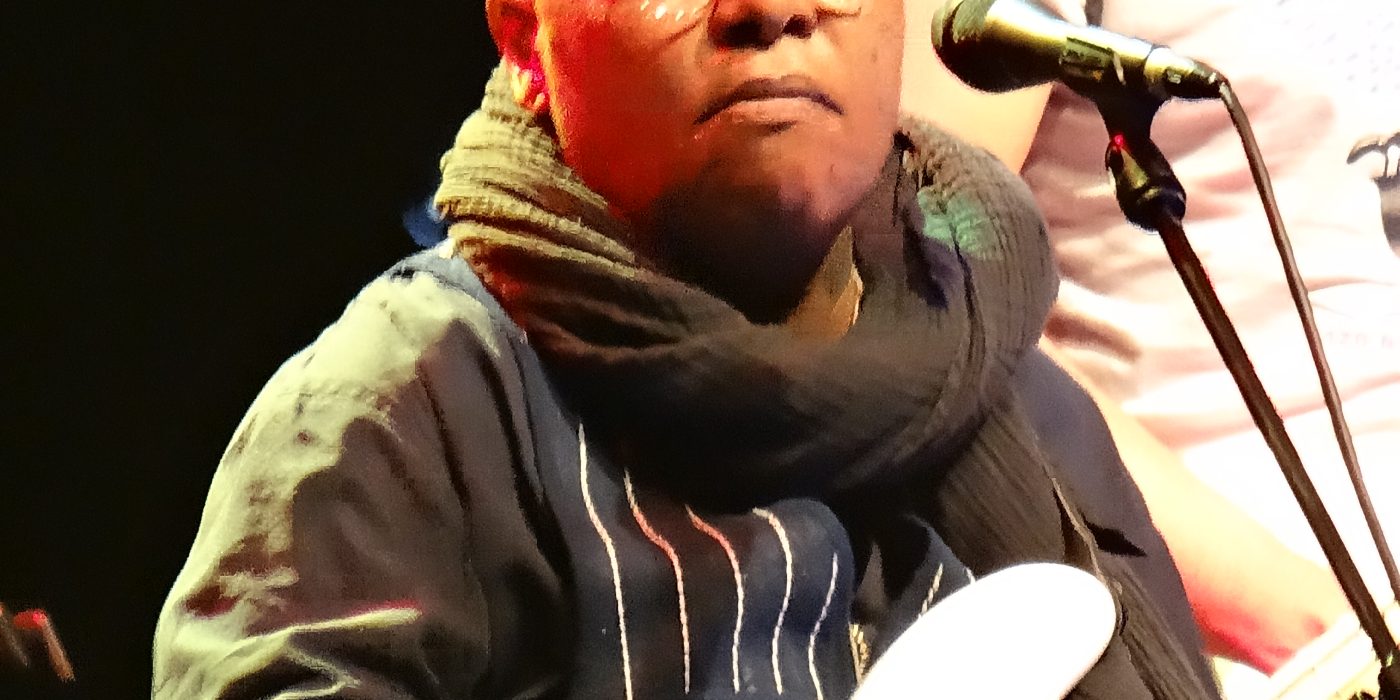
Jazz has been dying for as long as anyone can remember, which is one way of saying it has not died. The more precise way of saying it is that jazz has spent the last several decades in a state of continuous reinvention, and what is happening right now is one of the more interesting versions of that reinvention, even if it is not the loudest.
The conversation about jazz’s health tends to get stuck on market share, which is the wrong frame. Jazz has always made a fraction of the money that pop music makes. This is not new. The health of jazz is a question about what the music is doing and who is doing it, and by those measures the answer in 2026 is: quite a lot, and a lot of very interesting people.
The London scene is the most discussed right now, and for good reason. Shabaka Hutchings spent a decade playing saxophone with a ferocity that kept the jazz world’s attention, then put down the horn to focus on flutes, then moved between projects with the restless energy of someone who does not believe in maintaining a lane. Nubya Garcia has released records that are as close to pop crossover as jazz gets while remaining structurally and harmonically ambitious. Moses Boyd moves between jazz and club music with a fluency that suggests the border was always porous. The label and collective Brownswood, curated by Gilles Peterson, has been a reliable home for all of it.
In the United States, the Los Angeles scene around the Blue Note Records artists, and specifically the Blue Note at Wilshire venue, has produced a sustained run of interesting music. Kamasi Washington’s ambition has been well documented. Terrace Martin continues to work across contexts, producing hip-hop and releasing jazz records and refusing to treat those things as different pursuits. Georgia Anne Muldrow, who appears on Aja Monet’s forthcoming album, is one of the most musically sophisticated people working in any genre adjacent to jazz, and she is consistently undervalued in any conversation about the current moment.
Meshell Ndegeocello is arguably the artist who best represents what jazz can be in its current incarnation: an organism that absorbs everything. R&B, punk, classical composition, spoken word, club music. Her bass playing is foundational and her records do not sound like anyone else’s. She has been making this kind of music for thirty years now and she is still moving forward. Her collaboration with Aja Monet on The Color of Rain, announced this week, suggests she has no interest in consolidating a legacy. She is still trying things.
The younger generation coming up through jazz education and into the world has access to a tradition that is broader than it has ever been, and many of them are using it. The conversation between jazz and hip-hop that Marcus Miller and Roy Hargrove were having in the nineties is still ongoing, but it now includes electronic music, ambient, and whatever it is that Arca is doing. The walls are down in a way they were not when jazz was being policed by its own guardians as recently as the early 2000s.
None of this means jazz is thriving commercially. It is not. It is a genre that rewards patience and close listening and does not translate well to streaming playlist culture, which means it is always going to occupy a smaller slice of the attention economy than its artistic health deserves. But artistic health and commercial health are different things, and the people making the music right now know that, and they are making it anyway. That is not decline. That is what jazz has always looked like when it is actually alive.
jazz dying is literally a thing people say every decade. it’s like calling punk dead. it just keeps showing up somewhere unexpected and embarrassing everyone who wrote the obituary.
The mutation framing is the right one. What Radiohead did on Kid A was essentially jazz logic applied to rock instrumentation , patient, harmonically ambiguous, more interested in texture than resolution. And now you have artists like Shabaka Hutchings moving between jazz and everything else like the genre boundary is a suggestion. Jazz doesn’t need saving. It needs people to stop treating it like a museum exhibit and start noticing where it keeps turning up.