 Into The Music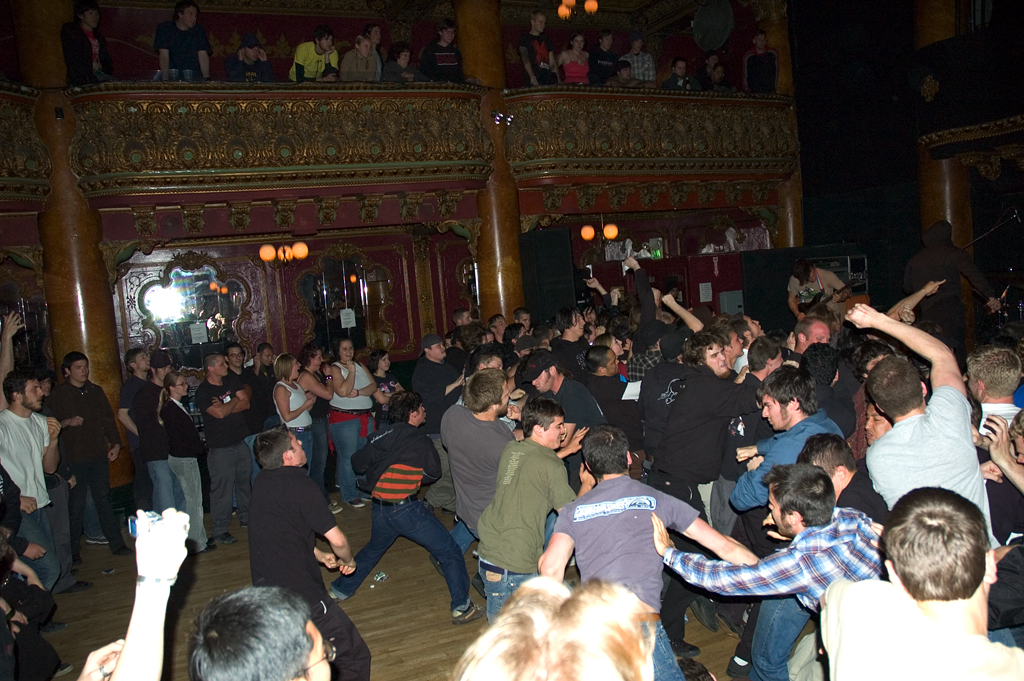
Metal has a gatekeeping problem that it refuses to solve, and that refusal is actually part of what makes the genre interesting. No other style of music argues more consistently about who belongs and who does not, and no other genre keeps producing work that makes the argument seem beside the point. The mosh pit is open to whoever gets there first. The riff does not check credentials. This is the contradiction at the heart of heavy metal and it has been driving the genre since Black Sabbath plugged in a detuned guitar in Birmingham in 1969 and invented something that had no frame of reference yet.
What is metal, exactly? The question has been fought over for decades with a seriousness that would embarrass any other genre’s fanbase. There are people who will tell you that if the drums are not doing a specific thing or the guitars are not tuned to a specific standard, it is not real metal. There are others who will tell you that metal is more of a feeling than a category. Both camps are partially right and the debate never resolves, which is why metal subdivides endlessly. Death metal, black metal, doom metal, thrash, power metal, nu-metal, djent, mathcore, deathcore, stoner metal, sludge, folk metal. Each subgenre is its own argument about what the genre’s essential qualities actually are.
The throughline, if you had to identify one, is extremity. Metal takes whatever it is doing and turns it up. Louder, faster, slower, heavier, more technically demanding, more emotionally excessive. The tempos go to either end of what is playable. The guitar tones push past saturation into pure texture. The vocal styles run from operatic precision to inhuman growl. What connects them is the insistence on going further than the context demands.
The genre has always had an uneasy relationship with mainstream culture. It breaks into the pop conversation periodically: Black Sabbath and Led Zeppelin in the seventies, Metallica in the late eighties, nu-metal in the late nineties and early 2000s, the arena metal revival of the 2010s with bands like Mastodon and Pallbearer building critical credibility that classic metal never quite had. Each incursion gets followed by a retreat. The mainstream moves on. Metal continues.
Neurosis is the obvious example of what metal can do when it is working at its highest level. Their recently released record An Undying Love for a Burning World has been called one of the best of their career, which is a significant claim given that their career includes some of the most structurally ambitious heavy music of the past thirty years. They move slowly. The songs take time. The payoffs are massive but they require patience. Most pop music works in the opposite direction. Metal does not care about this and never has.
That indifference to accessibility is both the genre’s limitation and its most interesting quality. Metal stays metal because it refuses to round its edges for a broader audience. The edges are the point. The heaviness is not decoration. It is the argument. And the argument is that some music should make demands of its listener and reward them fully only when those demands are met.
Whether you find that admirable or exhausting probably tells you something about your relationship to difficulty in general. Metal has no particular interest in convincing you either way. It has been making the same case since the beginning. The riff is still there. The mosh pit is open.