 Into The Music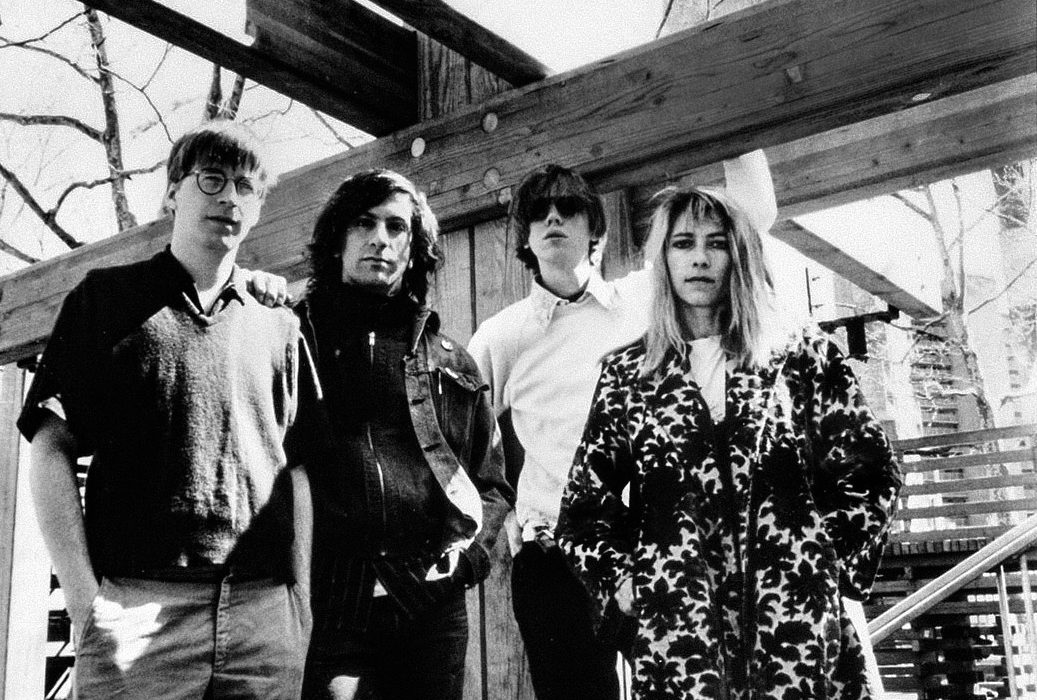
Noise rock occupies a position in the taxonomy of music that is simultaneously clear and contested. The clarity: it is guitar-based rock music that incorporates noise, dissonance, and feedback as primary compositional elements rather than as effects to be deployed sparingly. The contest: almost every major act in the tradition has spent time arguing about whether noise rock is a useful label at all, and almost all of them would prefer a different one.
The genre’s American lineage runs from the No Wave scene in New York in the late 1970s through Sonic Youth, who became its most commercially successful and critically canonized practitioners, and then out through a network of labels, venues, and scenes that operated largely outside the mainstream for most of the 1980s and into the 1990s. Big Black, Shellac, and Steve Albini’s production work defined one axis of the form. The Jesus Lizard defined another. Slint, though more often labeled post-rock, pointed toward a third.
The Japanese noise tradition, associated with artists like Merzbow and Boris, developed parallel to and in conversation with the American scene but with different priorities and a different relationship to the avant-garde. Where American noise rock generally maintained the song as a structural framework, Japanese noise artists were often more interested in pure sound as material.
Noise rock in 2025 exists in the usual state of a genre past its commercial peak: a devoted underground, a legacy catalog that gets periodically rediscovered by new listeners, and occasional contemporary acts who are working in the tradition without necessarily being located in any specific scene. The artists who mattered most to the form are still celebrated. The conditions that produced them have changed completely.