 Into The Music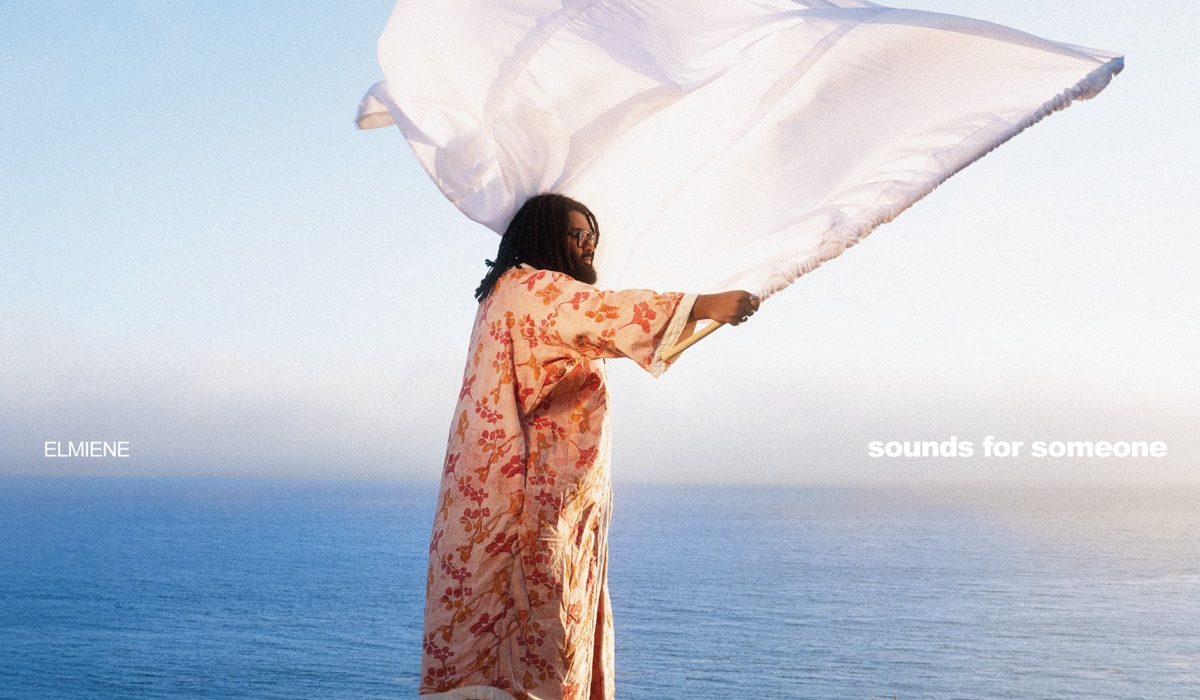
There is a particular kind of grief that takes years to arrive. Not the sharp, immediate kind, but the version that shows up later, when the loss has settled into the architecture of who you are and you finally have the language for it. Elmiene’s debut album sounds for someone is made entirely out of that kind of grief, and it is one of the most emotionally precise records to appear this year.
The British-Sudanese singer released this 12-track album on Def Jam and Polydor this week, and it is not easy listening. Not because it is harsh, but because it asks you to pay attention. The album circles around the death of his father, returning to that absence from different angles, and the production, which features Sampha, Raphael Saadiq, No I.D., and Buddy Ross among others, knows exactly how much space to give each song to breathe.
The opening track “Moment” sets the tone without overstating anything. Elmiene’s voice is warm and unguarded, and the arrangement stays out of its way. This restraint carries through the whole album and it is genuinely hard to sustain. Most records with this kind of emotional weight either push too hard or retreat into surface-level prettiness. sounds for someone does neither.
“Time Doesn’t Heal” is the standout for how directly it disputes the thing we tell each other about loss. The title is not a lyric in need of a question mark. It is a declaration. Healing, for Elmiene, is not a linear process toward resolution but an ongoing relationship with absence, and the song earns that position.
The Raphael Saadiq feature on “Light By The Window” is one of those rare cases where a guest appearance deepens rather than interrupts a record’s world. Saadiq brings a softness and a long-view quality that fits perfectly against Elmiene’s directness. Baby Rose’s presence on “Honour” works similarly, adding texture without crowding the intimacy.
“Reclusive” was released as a single earlier this year and holds up in context. On its own it read as a breakout moment. In sequence, it reveals itself as part of a larger emotional argument. The album repays that kind of listening. Songs that seem self-contained open up when placed next to each other.
“Told You I’ll Make It” closes the record and the shift in register is deliberate and earned. After eleven tracks of looking backward and inward, this one turns and faces forward. The dedication is still present but the grief has been transmuted into something that can coexist with pride and forward motion. That is a genuinely hard thing to write without it feeling like false resolution, and Elmiene manages it.
This is a debut album that arrives fully formed, without the hedging or the genre-hopping that often marks a new artist trying to establish a lane. Elmiene knows exactly what kind of record he was making, and he made it without compromise. sounds for someone is going to matter for a long time.