 Into The Music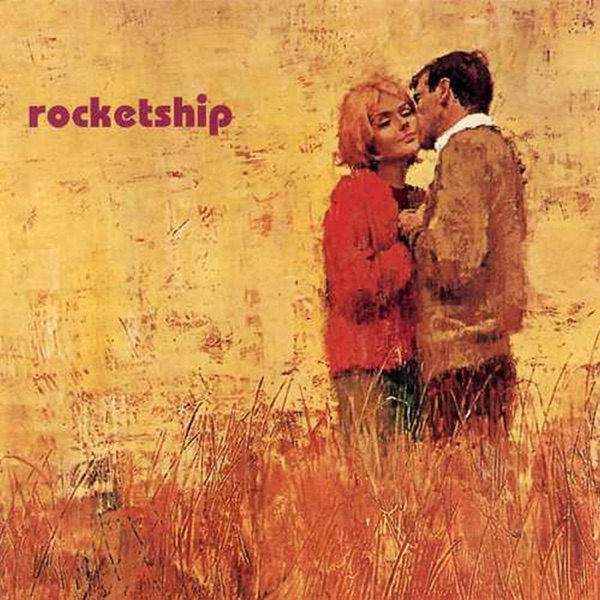
Thirty years is a long time to be right. Rocketship’s debut album, A Certain Smile, A Certain Sadness, came out in 1996 and basically had no chance of being discovered on its own terms. Indie pop was in a weird place that year, caught between shoegaze burnout and the British Invasion worship that was about to collapse under its own weight. Sacramento’s Rocketship, led by Dusty Reske with keyboardist Heidi Barney and bassist Verna Brock, made something tender and insular and genuinely strange in a market that was not interested in any of those qualities. The album sold poorly. The band dissolved. Reske kept going under the same name but as something closer to a solo project.
Now the album is back, remastered for its 30th anniversary, and it sounds like a record that was waiting for this exact moment to finally arrive.
The defining quality of A Certain Smile, A Certain Sadness is the organ. Reske sold his guitar pedals and bought a Hammond M2 before recording, and the decision transformed what might have been a standard indie pop record into something with its own peculiar sonic logic. The organ smears across everything, functioning as noise and warmth simultaneously. It is simultaneously the most retro element of the record and the thing that makes it feel unlike anything else in the mid-90s catalog.
The album opens with its highest peak. “I Love You Like the Way That I Used to Do” is one of those songs that either grabs you in the first eight bars or loses you for good. Two chords, a churning organ, and Reske yelping the central paradox of the song: the sun shines brighter without you, and yet. It is disorienting and completely sincere. Barney and Brock harmonize in ways that feel less like studio polish than like three people who actually believed what they were singing. The song is a freight train of feeling and it runs for barely three minutes and that is exactly the right length.
The rest of the album is quieter and more uncertain, which is the correct move after an opener that explosive. Reske writes about love in the mode of someone who is very good at understanding what he feels and very bad at doing anything about it. The songs are small and careful and frequently heartbreaking. “Kisses Are Always Promises” and “We’re Both Alone” carry that specific indie pop grief that has no self-pity in it, just observation. Here is what happened. Here is how it felt. Here is the organ to confirm it.
The 30th anniversary remaster is clean but not overhauled. Slumberland Records has not added demos or b-sides or liner notes, which is either a disappointment or a sign of good taste depending on your inclination. The album sounds approximately sharper than it did, but it still sounds like something recorded by people who were making exactly the record they wanted to make and did not have the budget to make it sound like anything else. That roughness is part of the appeal. A Certain Smile, A Certain Sadness is not a perfect record. It is a very good record that sounds like people trying very hard and mostly succeeding, and that kind of effort is audible in a way that professional gloss never is.
What the anniversary reissue confirms is that this album has held up better than most things released in 1996. The songs are still immediately accessible and still strange enough to reward close listening. Reske is apparently touring behind the reissue, which is the kind of news that makes you want to go see a band you have known only through headphones for twenty years. The hope is that the stage does justice to what the record does quietly, which is make longing feel like something worth holding onto rather than something to get over.