 Into The Music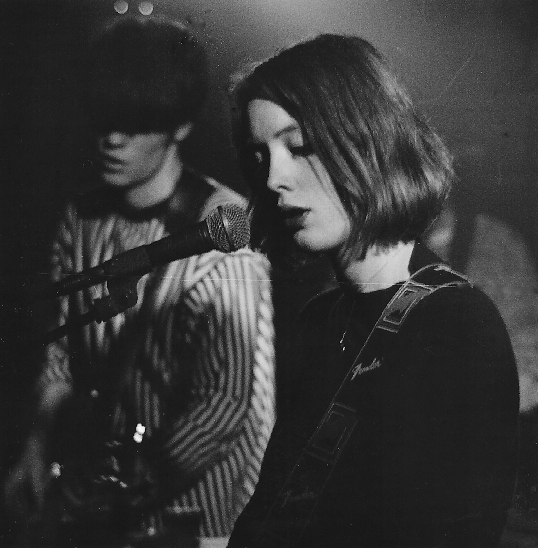
Shoegaze was not supposed to have a second act. The genre peaked in the early 1990s, burned bright, got swallowed by Britpop’s sharper edges and American grunge’s commercial momentum, and disappeared. The critics who had championed it moved on. The bands broke up or went quiet. My Bloody Valentine spent years not releasing anything and became more myth than working entity. That was supposed to be the story: a beautiful, insular, ultimately unsustainable sound that could not compete with music that wanted to be understood.
The story did not end there. Shoegaze is currently in the middle of a sustained revival that has been building for over a decade and shows no sign of stopping. What is stranger is that the revival is not primarily nostalgic. The young bands making shoegaze-influenced music in 2026 are not doing it because they remember Slowdive or Ride or Lush from the first time around. They are doing it because the emotional architecture of the genre, that specific combination of overwhelming volume and extreme tenderness, turns out to be exactly what a certain kind of listener needs right now.
The original shoegaze bands had a specific relationship with sound itself. The guitars were treated with so many effects that they stopped being identifiable as guitars. The voices were mixed down and buried in reverb, present but not prominent, as if the singer was singing to themselves rather than to an audience. The dynamics were counterintuitive: the loudest moments were often the most intimate, the quietest passages sometimes the most overwhelming. This was not accidental. It was a considered approach to using density as a kind of shelter.
My Bloody Valentine’s Loveless is the genre’s canonical text, and it still holds up in a way that a lot of canonical records do not. The album is genuinely strange even now. It does not sound like anything else. Kevin Shields spent years tinkering with it in the studio and the result is music that has no clear reference point, no obvious ancestors, something that emerged from the equipment being pushed past its designed parameters until it did something new. The “glide guitar” technique he developed, which involves a specific way of bending strings while using the tremolo arm, produces a sound that has been widely imitated and never quite replicated.
What brought shoegaze back was partly technological. Digital audio workstations made it easier to layer sounds the way the original bands had done on expensive analog gear. Reverb and delay plugins removed the cost barrier. A teenager in a bedroom could approximate, at least partially, what Slowdive had needed a proper studio to achieve. The democratization of the sound made it available to new generations who then made it their own, added trap rhythms or electronic production or different melodic traditions, and sent it somewhere the original wave never went.
Bands like Deafheaven brought shoegaze’s aesthetics into the metal world, creating a subgenre sometimes called blackgaze that combined post-black metal blast beats with the genre’s characteristic wall of reverbed guitar. Japanese artists incorporated shoegaze into j-pop frameworks. Korean artists did the same with K-indie. The genre traveled in ways that its originators, largely insular young British musicians making records in the early 1990s, could not have anticipated.
The emotional core that makes shoegaze appealing has not changed. It is music that creates space to feel a lot of things at once without having to sort them into categories. It is overwhelming in a way that can feel protective. It asks nothing of the listener except presence. In a cultural moment when everything is competing for attention and demanding a reaction, that is not a small thing to offer.
The streaming data tells an interesting story here , shoegaze-tagged playlists have grown something like 40% year over year since 2022. That’s not nostalgia traffic. That’s discovery. Algorithms keep surfacing it to people who don’t even know what to call what they’re listening to, which might actually be the healthiest way to find a genre.
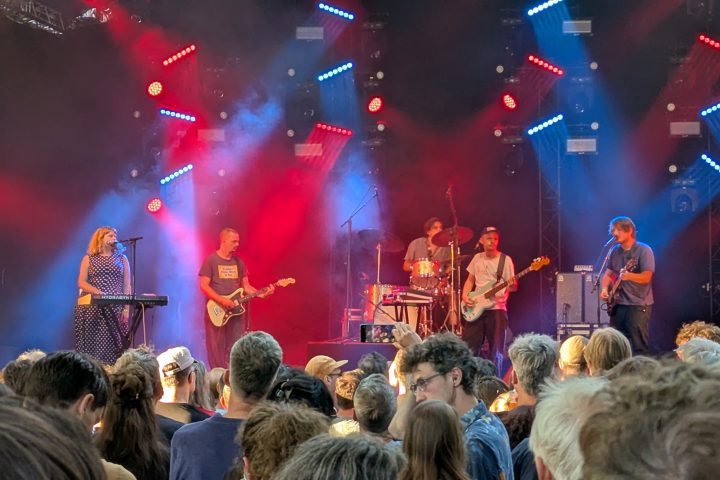
The piece is right that it got louder, and I think that’s inseparable from what production tools can do now. My Bloody Valentine’s wall-of-sound was an act of controlled destruction in 1991. Today that same texture is achievable on a laptop in an afternoon. What’s interesting is that the new wave of acts aren’t just imitating , they’re treating noise as a structural material, not just a mood. That feels closer to industrial logic than classic shoegaze, even when it sounds familiar.
Every time I read about a genre having a ‘second act’ I wonder what they mean exactly. Norteño never had a first act in the mainstream press and it’s been filling stadiums for fifty years. Shoegaze takes a break for a decade and comes back louder, and that’s a resurrection story. I’m not saying the music isn’t good. I’m saying the way we track longevity is selective.
Diego, I think you’re identifying something real about the coverage gap, but I’d push back slightly on the comparison , the ‘second act’ framing comes from the fact that shoegaze had a documented mainstream moment that ended and then resumed, which is different from a genre that never had mainstream documentation in the first place. I’ve seen Norteño live in contexts where the crowd energy rivaled anything I’ve witnessed at European festival stages. The issue isn’t the music’s continuity; it’s whose continuity gets narrated. Those are different problems with different solutions.
The streaming data point buried in this thread is more interesting than the article gives it credit for. A 40% year-over-year growth in a genre-tagged playlist category isn’t noise , that’s a structural shift in who’s seeking the music out. Country went through a similar rediscovery curve on Spotify when younger listeners started following algorithmic breadcrumbs into classic outlaw country, and now you’ve got Beyoncé and Post Malone releasing country records. Shoegaze probably won’t travel that far toward mainstream pop, but the attention is real and it’s data-backed.
I’ll be the old man at the back of the room saying that the ‘wall of sound’ these young shoegaze producers are chasing has a direct lineage to Phil Spector’s orchestral pop recordings from 1963 and 64 , the Crystals, the Ronettes, that incredible density of sound he was building at Gold Star Studios. Spector wanted you to feel submerged. So did Kevin Shields thirty years later. The technology changed completely and the impulse stayed identical. That’s the thing about music history: very few ideas are actually new, they just find new instruments to live inside.