 Into The Music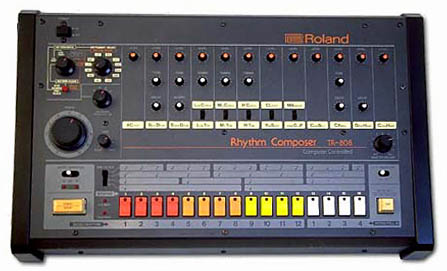
Trap is a production style before it is a genre, and the distinction matters because it explains why so much music that does not share obvious aesthetic sensibilities ends up described by the same word.
The term originated in Atlanta in the early 2000s, referring initially to the environment that the music described: the trap house, the corner, the infrastructure of street-level drug distribution. T.I., Gucci Mane, and Young Jeezy were among the central figures of the form in its original context. The production, developed primarily by Shawty Redd and Zaytoven, used 808 drum machines, hi-hat rolls timed at subdivisions that created a specific rhythmic urgency, and synthesized bass that hit differently through car audio systems than through anything else.
By the 2010s, the production elements had spread well beyond their original context. Trap music influenced pop production globally, showing up in the work of artists who had nothing to do with Atlanta and who were not making music about any of the things the original form was about. The hi-hat roll became a signature of a decade of pop music. The 808 bass pattern became a default toolkit element for producers across genres.
This diffusion created the ambiguity that makes the term complicated. Is a Cardi B record trap? Is a Travis Scott record? Is a record by a British producer working in a trap-influenced style? The answer depends on whether you think the label refers to the production elements, the content, the cultural context, or some combination of all three. The music has outrun the definition, which is what tends to happen when a sound that originated in a specific place becomes a global production language.
The confusion between production style and genre is where most arguments about trap collapse. Agreed.