 Into The Music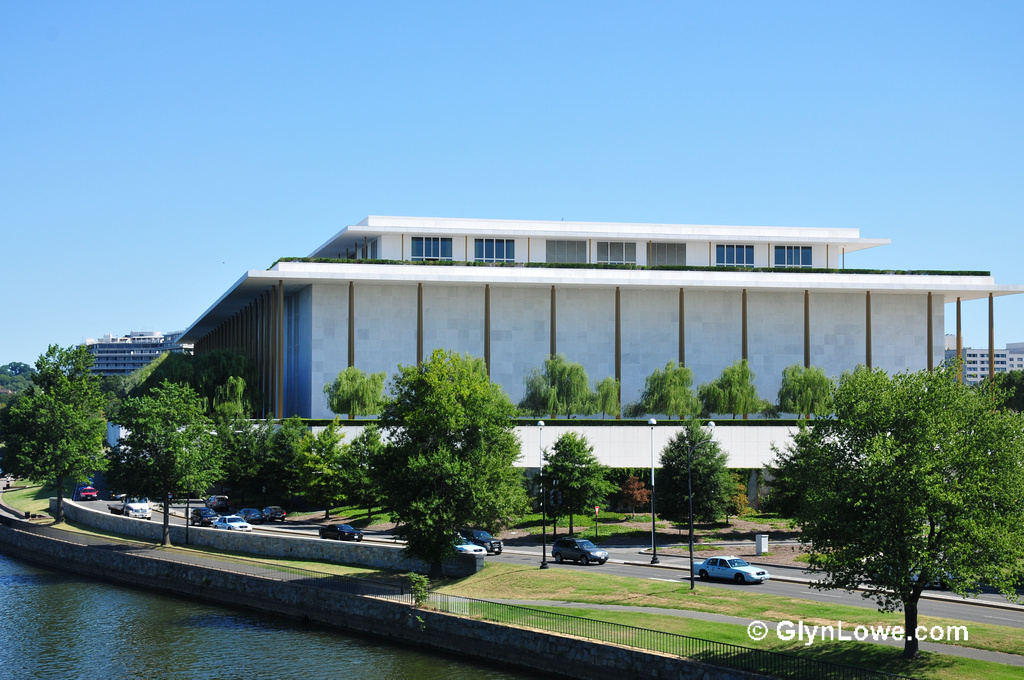
The fight over the Kennedy Center’s name has made it to federal court, and the stakes are bigger than a plaque on a building.
Representative Joyce Beatty filed a lawsuit in March 2026 asking a federal judge to force the Trump administration to restore the original name: the John F. Kennedy Center for the Performing Arts. The suit argues that because Congress established the center in 1964 as a living memorial to the assassinated president, only Congress can change its name. The board that voted to rename it the “Donald J. Trump and The John F. Kennedy Memorial Center for the Performing Arts” had no legal authority to do so. Beatty wants the new signage removed and the website restored.
It is not the only legal challenge. Historic preservation groups filed their own lawsuit earlier in the year, also contesting the name change and the broader restructuring of the institution’s leadership under Trump-appointed board members. The Kennedy family has publicly opposed the renaming. None of that slowed things down much, at least not yet.
What makes this particular moment worth paying attention to is what it signals about how cultural institutions are being treated as political territory. The Kennedy Center is not just a concert hall. It hosts the National Symphony Orchestra, the Washington National Opera, and everything from Broadway touring productions to jazz residencies. It is one of the primary venues where the United States takes a position on what art is worth sustaining. Renaming it is not just a branding decision. It is a statement about who the institution exists to celebrate.
The center is also scheduled to close for a major two-year renovation starting in July 2026, which means the 2026 Kennedy Center Honors ceremony will be held at an alternate venue. It has already been announced that the ceremony itself will be renamed. Whether any of the performers and honorees currently attached to that event will withdraw over the controversy remains to be seen.
For the people who work in and around the performing arts in Washington, the uncertainty is practical as well as symbolic. Programming decisions that would normally be locked in a year or two out are hanging in the air. Fundraising is harder when the institution’s identity is contested in court. Audiences notice when the building they’ve gone to for decades suddenly has a different name on it.
The lawsuit will take time to move through the courts. There is no immediate resolution. But the fact that it is being litigated at all says something about how far this particular conflict has escalated, and how many people are willing to push back through whatever channels are available to them.
I want to be careful here because the Kennedy Center genuinely matters to Latin and regional music communities in ways that don’t always get covered. They’ve hosted corrido concerts, Tejano showcases, mariachi celebrations , this isn’t just a classical or pop institution. When its symbolic value gets tied to a political brand, it affects the communities that actually use the building. That’s what the lawsuit is really about, whether or not the coverage frames it that way.
There’s a line in the excerpt about “stakes bigger than a plaque on a building” and I keep coming back to that. A name on a building is a claim. It says: this place belongs to this legacy. When you’re a songwriter you know how much a single word can carry , the difference between your name on something and someone else’s name on something is the difference between authorship and erasure. The artists who’ve walked through those doors deserve a home, not a branding exercise.