 Into The Music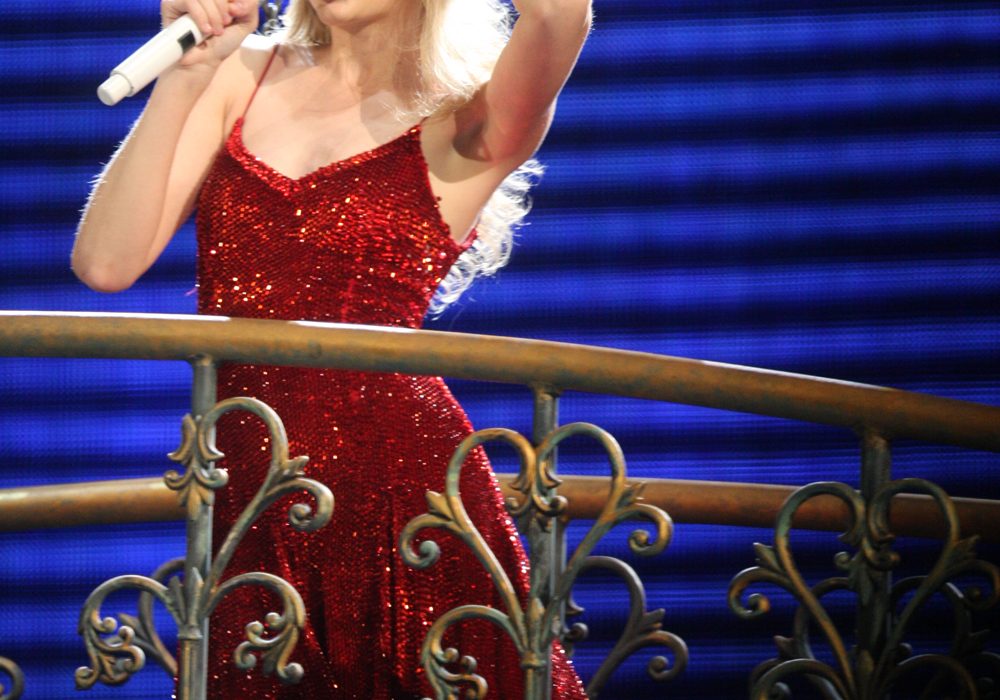
Taylor Swift has been sued by a Las Vegas showgirl performer over the name of her most recent album, and the lawsuit lands at an interesting time for a pop star who has spent years carefully building and controlling her brand.
Maren Flagg, who performs under the name Maren Wade, filed the trademark infringement suit after spending more than a decade developing her “Confessions of a Showgirl” brand. She trademarked the phrase in 2015, building it into a live show, a touring production, and a podcast. When Swift’s team applied to register “The Life of a Showgirl” as a trademark last August, the U.S. Patent and Trademark Office issued a partial refusal, citing a likelihood of confusion with Wade’s existing mark. Despite that, Swift moved forward with the album and its associated merchandise anyway.
That’s the crux of the lawsuit. Wade is not arguing that the albums sound alike or that Swift stole creative ideas. She’s arguing that the branding overlap has drowned out her decade of work. “Each additional sale compounds the confusion in the marketplace and further erodes her ability to be recognized as the sole source of her Confessions of a Showgirl brand,” the filing reads.
There’s something almost poetic about the situation. Swift has built her entire public identity around ownership, whether that’s re-recording her catalog to reclaim her masters or publicly calling out anyone she perceives as taking what’s hers. And yet here’s a smaller creator making essentially the same argument back at her, with a trademark filing to back it up.
It’s worth noting that the trademark office already sided with Wade, at least provisionally. That’s not nothing. The refusal Swift received wasn’t a technicality. The office found a genuine likelihood of consumer confusion. Swift’s team pressed forward anyway.
Wade’s lawyer put it plainly: “Maren spent more than a decade building Confessions of a Showgirl. She registered it. She earned it. When Taylor Swift’s team applied to register The Life of a Showgirl, the Trademark Office refused, finding Swift’s mark confusingly similar. Trademark law exists to ensure that creators at all levels can protect what they’ve built.”
The situation is a little complicated by what Wade was posting before the lawsuit. Her Instagram was apparently full of Swift’s music and “Life of a Showgirl” hashtags last summer, and the cover art for her Confessions of a Showgirl podcast used a mint-green color scheme that wasn’t far off from Swift’s album aesthetic. She’s been silent on social media since October. None of that makes her trademark rights disappear, but it does add a layer of complexity to the story.
A representative for Swift has not commented publicly. The trademark office has suspended Swift’s application for now, which means no final decision has been made yet. But the refusal, the lawsuit says, “will be made final” once the suspension is lifted unless something changes.
This won’t be the last time someone takes a run at the Swift machine. At this scale, everything she does creates surface area for this kind of conflict. What’s different here is that the person doing the suing has a decade of documented work and a government trademark on her side. That’s not the usual shape of these disputes, and it’s worth watching how it unfolds.


What gets me about this story isn’t who wins in court , it’s the human cost on both sides. That showgirl performer built her identity around that name, probably for years, and that’s not nothing. Music and art names are part of how we carry ourselves through the world. I hope however this resolves, both women find space to breathe.
Erica I hear you on the human cost but let’s not skip past the legal reality: the government already flagged the trademark, which means her team either missed it or pushed through anyway. That’s not Taylor’s lawyers being predatory, that’s standard IP process doing what it does. The sympathy for the showgirl is real but sympathy doesn’t override prior use or registration timelines. If you’ve been in the music business , really in it, not just watching from outside , you know you don’t build a brand on shaky trademark ground and then act surprised when it collapses.
Erica this is such a good point and I hadn’t thought about it from the showgirl’s side at all!! I came in thinking it was just another wild Taylor lawsuit story but like… she’s a real person who had a whole career built around this. That’s kind of heartbreaking honestly. I wonder if she even had a lawyer when she filed or if she just went for it on her own.
There is something almost unbearable about the situation this showgirl is in , she built an identity, a whole artistic self, around a name, and now that name has been absorbed by something so much larger that the law can barely see her anymore. In Arab classical tradition we speak of the voice as the most intimate instrument because it cannot be separated from the body. A performer’s name is the same , it is not a trademark, it is a self. And yet here we are, treating it as inventory.