 Into The Music
Alternative rock has always been a strange category. It started as a genuine descriptor, music that existed outside the mainstream rock infrastructure, and became the mainstream so thoroughly that the word “alternative” stopped meaning anything in practical terms. By the mid-1990s, the biggest bands on the planet were alternative rock bands. The category ate itself, and then somehow kept going.
What has made it durable is not any unified sound but a shared set of values about what rock music is for. Alternative rock, at its best, is interested in feel over technique, in a specific kind of emotional directness that does not require virtuosity to land, in the friction between volume and vulnerability. You can hear those values in Pixies records from 1988 and in Snail Mail records from right now, and what connects them is not a riff or a production style but an orientation toward what songs are supposed to do.
The genre’s genealogy runs through post-punk, through college radio, through Hüsker Dü and The Replacements and REM in the 1980s, through the Nirvana moment in the early 1990s that made all of it commercially legible in a way it had never been before. That moment is often described as a breakthrough, but it was also a kind of ending. Once alternative rock was the format, it ceased to be the opposition. Grunge gave way to post-grunge, which gave way to nu-metal, which was the sound of a genre discovering that scale without substance is exhausting.
The more interesting thread runs through the bands that refused the formula. Radiohead, who took the commercial opening created by Nevermind and immediately began undermining every expectation it set up. Pavement, who made difficulty feel casual. PJ Harvey, who has never made the same record twice and never once sounded like she was making alternative rock even when she was making the most alternative rock records of her generation.
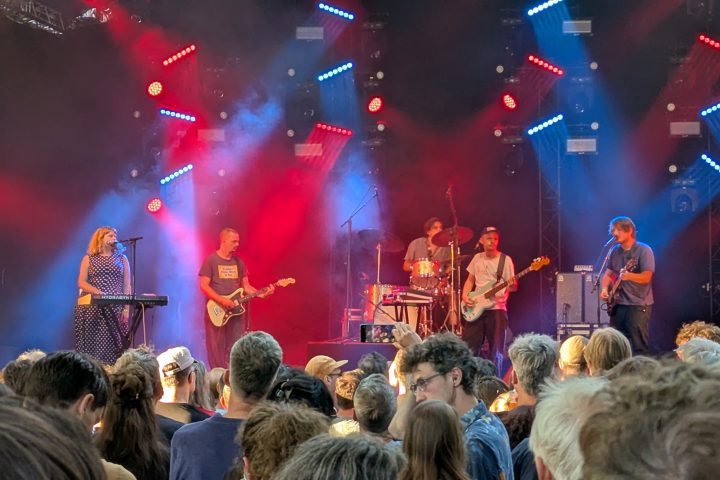
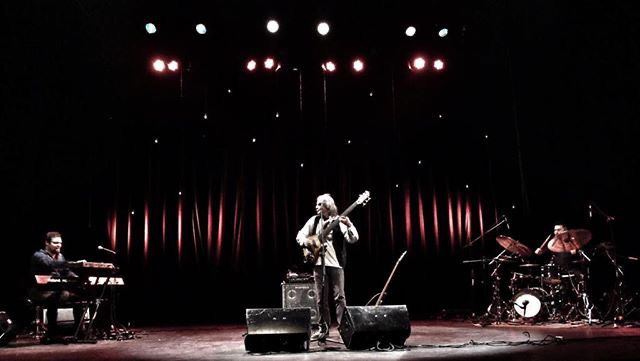
Right now, alternative rock is in an interesting place. The genre has fractured enough that it barely functions as a marketing category anymore. What it still functions as is a permission structure. The values that defined it, the willingness to sound rough, to prioritize honesty over polish, to treat the song as something that should feel like it costs something, those values are visible across a wide range of current music that might not call itself alternative at all.
Geese, the Brooklyn band who recently covered the Stone Roses in Manchester, carry it. Snail Mail carries it. Wet Leg carries it. None of them sound particularly like each other, and none of them sound particularly like Mudhoney, but they are all making music that is in clear conversation with what alternative rock meant before it became a format.
The category may be over. The values are not. That is probably the best outcome a genre can hope for.

I find it kind of funny that alternative rock spent all that energy distancing itself from ‘commercial’ music and then became the most commercial music of the 90s. Meanwhile trap and drill come along and they’re genuinely outside the mainstream infrastructure , regional, self-distributed, coded , and STILL get dismissed as noise by the same people who consider Nirvana selling out an act of subversion. The goalposts on ‘outsider music’ have always moved to exclude whatever’s newest.