 Into The Music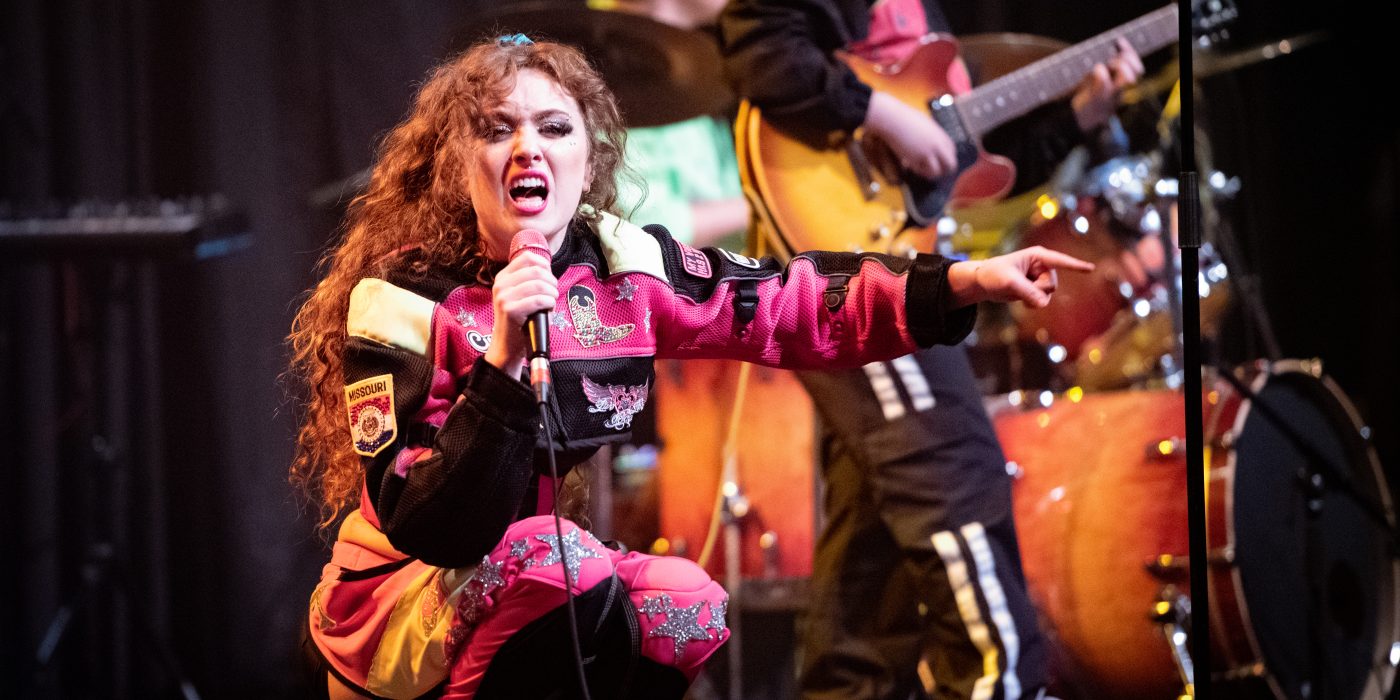
The numbers are in, and they tell a story about how online anger gets manufactured. A data analytics firm called GUDEA spent three days tracking social media posts about Chappell Roan after a viral incident involving an Italian footballer’s stepdaughter at a hotel breakfast. What they found should make anyone pause before assuming organic outrage is actually organic.
GUDEA analyzed 100,030 posts across social platforms, generated by 54,334 users between March 20th and March 22nd. About 4.2 percent of those users, roughly 2,282 accounts, were flagged as “non-typical,” the company’s term for likely bots. That sounds like a small slice, but those accounts were responsible for over 23 percent of the total posts. Nearly one in four of the posts driving the pile-on came from accounts that almost certainly weren’t real people.
The incident itself was murky from the start. Jorginho Frello, an Italian footballer who plays in England, publicly claimed that a security guard confronted his stepdaughter for walking near Roan’s table at a hotel. The child was reportedly reduced to tears. Frello and the girl’s mother spoke out. Roan apologized, while clarifying the guard was not part of her team. The security guard, Pascal Duvier, then issued a statement taking full personal responsibility and confirming he was not connected to Roan’s staff.
A reasonable resolution to a confusing situation. The internet, predictably, treated it like a war crimes tribunal.
GUDEA’s report describes the discourse as ranging from legitimate fan criticism and debate about celebrity boundaries to “coordinated attack campaigns” and “considerable satirical/humorous content that blurred the line with misinformation.” That last part matters. When satire and fiction start circulating as fact, the target of the joke becomes associated with things they didn’t do. The amplification of that misinformation, in this case, was disproportionately driven by bot accounts posting at volume.
This is not a new playbook. GUDEA ran a similar analysis on the Taylor Swift “Nazi” conspiracy theory that spread in late 2025 and found the same pattern: a bot network seeding false content, pushing it into trending territory, creating the impression of widespread sentiment that did not actually exist. The same bot soldiers were reportedly involved in a parallel campaign against Blake Lively.
What’s worth sitting with here is what it means for how we read celebrity controversies in real time. When something blows up on social media, the assumption is that a lot of people are genuinely furious. Sometimes that’s true. But coordinated bot campaigns can take a story with genuine heat and supercharge it into something that feels like a societal verdict, when it’s actually closer to a targeted operation. The pile-on becomes the story, and the original facts get buried.
Roan has been navigating this terrain for a while now. She’s been publicly vocal about her own limits when it comes to fan access, sometimes in ways that made people uncomfortable. There’s a real and legitimate conversation to be had there. But that conversation gets poisoned when a substantial chunk of it is being driven by automated accounts with no actual stake in any of it.
None of this clears up the underlying mess. Frello’s stepdaughter did have an unpleasant experience. The guard did overstep. Roan’s security culture is a fair topic. What the GUDEA data does is complicate the narrative of a uniform public verdict, because that verdict, at least in part, was manufactured.
Rio de Janeiro’s mayor has reportedly placed restrictions on Roan performing in the city in the wake of the controversy. Whether that changes now that the bot campaign is documented remains to be seen.
What GUDEA’s data actually demonstrates is a pattern we’ve seen play out against female artists across cultures , the moment a woman refuses to be universally accommodating, the machinery mobilizes. The scale and coordination described here isn’t unique to Western pop; it mirrors what happens to artists in other regions who step out of prescribed roles. The manufactured quality of the backlash is almost diagnostic at this point.
Coming from a production background, this kind of coordinated bot activity is something the industry needs to take seriously as infrastructure, not just PR noise. When you manufacture hate at scale, you affect radio decisions, playlist placements, even whether a label green-lights a follow-up album. The GUDEA report matters because it puts numbers on something a lot of artists have been describing for years but couldn’t prove.
This article made me so angry and so sad at the same time. She’s just out here being herself and people are literally organizing to tear her down. The fact that the data shows it was coordinated , that it wasn’t even real anger , just breaks my heart for her. She deserves so much better than this.