 Into The Music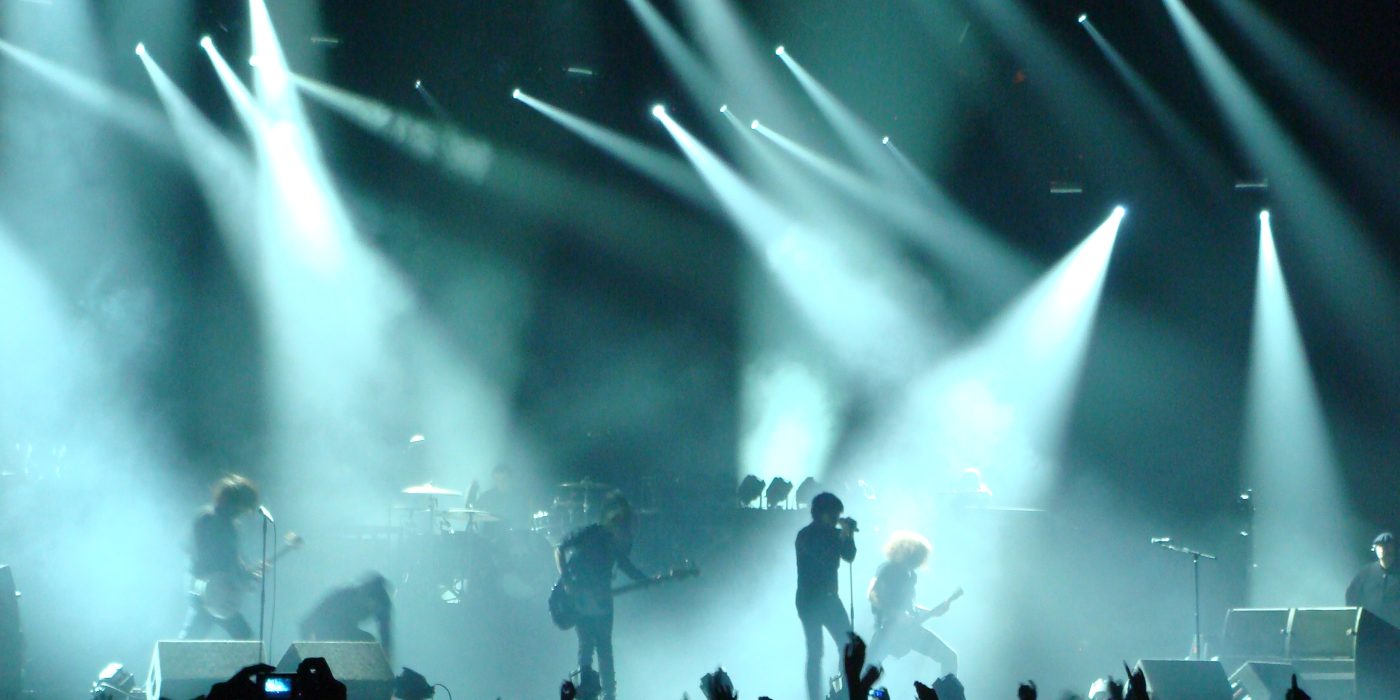
Emo spent about fifteen years being embarrassed about itself. Then it spent the next fifteen years being reclaimed, reexamined, and quietly vindicated. At this point the argument is settled: emo produced some of the most emotionally honest rock music of the last four decades, and the period when it was a punchline says more about the culture that was laughing than about the music itself.
The term goes back further than most people realize. The first wave in the mid-1980s had nothing to do with haircuts or teenagers. Rites of Spring, Embrace, Fugazi adjacent bands coming out of the Washington DC hardcore scene who started playing with more personal, vulnerable subject matter while keeping the intensity. It was called “emotive hardcore” and then just “emo” as shorthand, and it was a specific reaction against the political rigidity that had calcified the hardcore scene.
The second wave in the 1990s built on that foundation and expanded it dramatically. Sunny Day Real Estate, Jawbreaker, Cap’n Jazz, The Promise Ring. This is where the melodic architecture that would define the genre’s peak period really developed. These records were messy and urgent and often badly recorded in the most charming possible way. Diary by Sunny Day Real Estate is still essential. It sounds like someone figured out how to make the feeling of lying on the floor at 2am into a full album, and then somehow turned that into hooks.
The third wave is what most people think of when they hear the word. Dashboard Confessional. Thursday. Taking Back Sunday. The Used. My Chemical Romance. Hawthorne Heights. The early 2000s saw emo move from underground credibility to Hot Topic ubiquity to something that the mainstream had to decide what to do with, and the mainstream mostly decided to mock it. The aesthetic had calcified. The fashion had become costume. The emotional directness that was the genre’s real strength got reduced to a stereotype about crying boys with side-swept hair.
The mockery missed almost everything that mattered. My Chemical Romance’s The Black Parade is a theatrical rock record of genuine ambition. Thursday’s Full Collapse and War All the Time are among the best guitar records of that decade. Taking Back Sunday’s Tell All Your Friends is a masterclass in dual vocal dynamics and controlled chaos. These records didn’t lose their power because Rolling Stone ran some snarky think piece about Hot Topic in 2005.
The fourth wave, and it’s fair to call it that now, has been quieter but real. Phoebe Bridgers, Soccer Mommy, Snail Mail, and the whole ecosystem of indie artists who grew up on this stuff and brought its DNA into their work without replicating the aesthetic. The emotional directness is there. The willingness to be specific about pain is there. The production values are different, but the lineage is clear.
What connects all of it, from Rites of Spring to the current moment, is a refusal to be cool about feelings. Emo’s whole project has always been to take interiority seriously as subject matter. That turned out to be durable. The embarrassment wasn’t.
Okay I know I’m not the expected audience here but I absolutely love this piece!! There’s something so universal about music that refuses to be ashamed of big feelings , polka is the same way, honestly. You feel it in your whole chest. Emo kids and polka grandmas have more in common than either would admit 😄
Growing up between Tejano and New York indie scenes I always felt like the emotional directness in both was the thing that connected them. Emo made it okay for rock kids to be as raw as a bajo sexto ballad. The reclamation the article talks about makes total sense , once you stop performing toughness you can actually feel the music.
The part about emo being “quietly vindicated” really moved me. There’s a kind of vocal rawness in the best emo , the voice breaking, the breath catching , that’s not so different from what happens in a great gospel moment. Both are about letting the inside out. You can’t fake that and audiences always know.