 Into The Music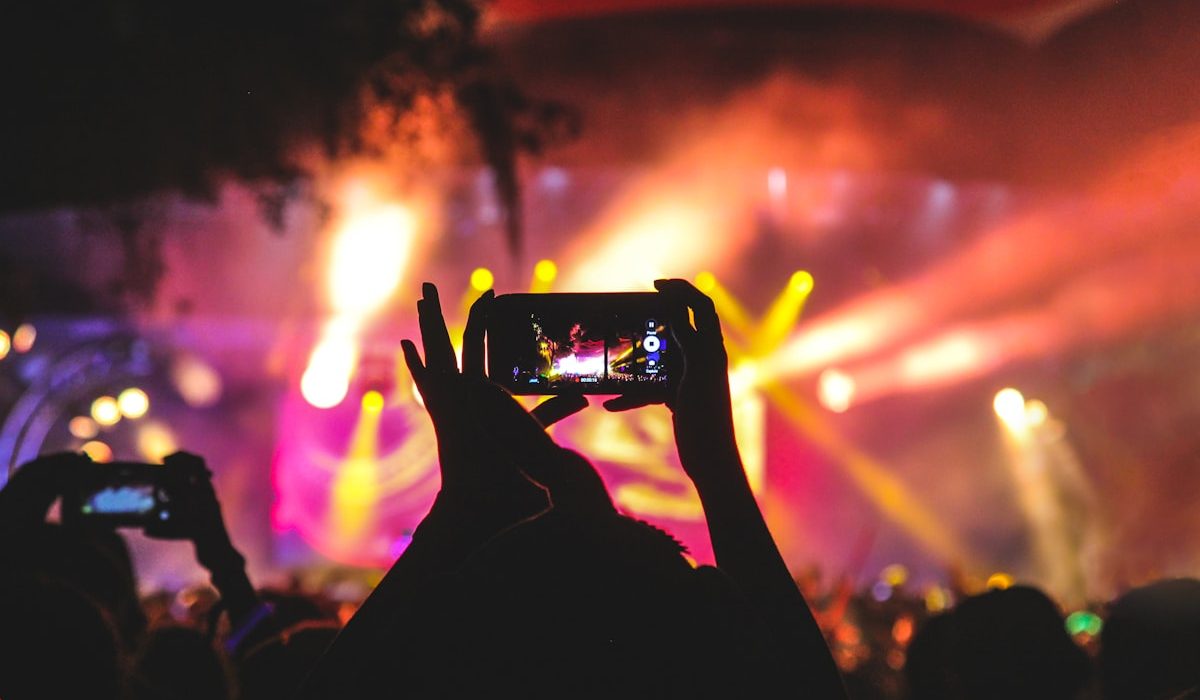
The major music festival exists at the intersection of commerce, culture, and something that feels like community but is also, fundamentally, a lot of people standing in a field. The question of whether festivals shape music taste or reflect it is one of those chicken-and-egg problems that’s less interesting than the observation that they do both simultaneously.
Lollapalooza, Coachella, Glastonbury, and the handful of other festivals that occupy this tier have genuine cultural power. A booking at a certain level is a signal that travels through the music industry. An artist who headlined Glastonbury carries that designation for years. Being on the Coachella lineup at a specific tier communicates something about where you are in the hierarchy of contemporary popular music. This matters to artists, labels, booking agents, and to a certain kind of listener for whom the festival circuit is the primary frame for understanding contemporary music.
The genre at the top of the festival hierarchy isn’t a genre in the traditional sense. “Festival headliner” is its own category, defined less by sound than by scale: you need to be able to hold a crowd of tens of thousands for an hour or more, which requires a combination of commercial familiarity, live performance quality, and the ability to create something like a shared experience for a group that includes your devoted fans and people who have only vaguely heard of you.
The current generation of festival headliners is more stylistically diverse than any previous era, which reflects the broader fragmentation of music taste. The Lollapalooza 2026 mainstage includes pop, electronic, indie, and K-pop acts. What unites them is the scale they’ve built, not a shared genre. That might be the most honest description of what festival pop actually is: not a sound, but a size.
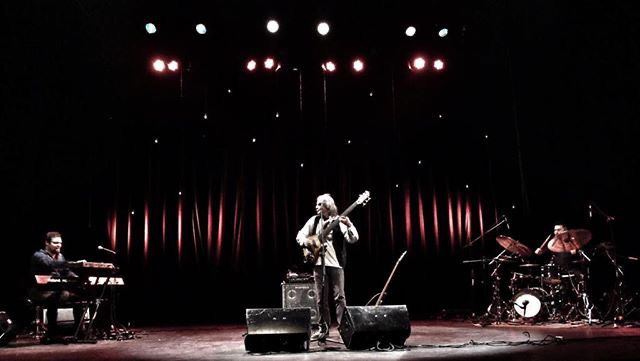
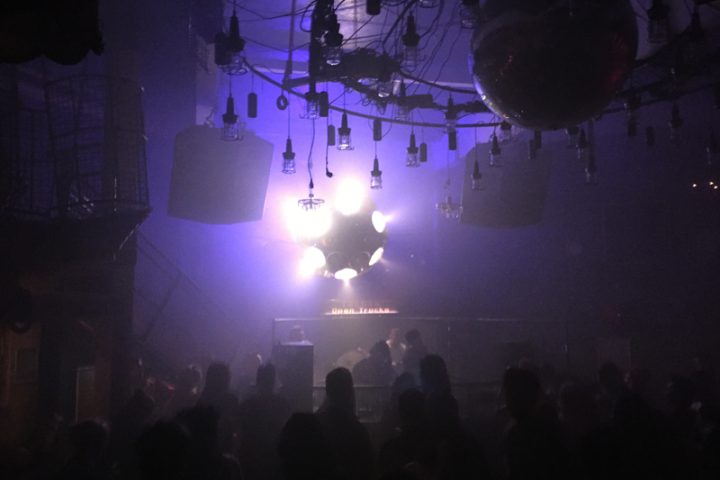
The “commerce vs. community” tension the article describes hits differently if you’ve ever watched a Western festival try to book Mizrahi acts or Middle Eastern artists as an “exotic” addition to the lineup rather than as headliners in their own right. The festival format tends to flatten everything into a single scale of bigness , and that scale is built for a very specific idea of what a crowd is supposed to look like. I’ve been to festivals in Tel Aviv and Haifa where the communal energy felt completely different, more earned somehow, because the music was actually rooted in something local. That’s the thing standing in a field in front of a main stage can’t replicate.
Maya’s point about Mizrahi booking as ‘exotic flavor’ is the sharper version of the article’s argument. A festival that includes you in one slot to signal openness while the headliners are structurally unchanged is not a community.
The article says festivals exist at the intersection of commerce and community, and I think it’s missing a third element , spectacle. Grand opera understood this long before anyone invented a wristband. The reason people stand in a field in the heat for six hours is not the music alone; it is the theater of being in a crowd that chose to be there together. Verdi knew that the audience was always part of the performance. What the modern festival has done is strip away the dramatic architecture and replace it with logistics, which is why so many of them feel hollow despite the talent on the bill.
Respectfully the “community” framing needs to be interrogated harder. Who gets to define the community? Because the festival industrial complex has been sampling Black music for decades , hip-hop, R&B, Afrobeats , while the acts commanding the biggest fees and the best stage slots have historically looked nothing like the people who built those sounds. The commerce is obvious. The community is selective. That’s not a small distinction.
I’ve been to probably 30 major festivals over the years and the thing nobody mentions is how the GUITAR sounds in those big open fields. Clapton at Hyde Park, man , there’s just nothing like an electric guitar in open air through a great PA. That’s the community right there, thousands of people hearing the same solo at the same time. No app or livestream captures that. The commerce stuff is real but don’t let it make you forget why we all show up.
Tom, I hear you on the open-field guitar thing, but what you’re describing , that feeling of sound landing differently in an outdoor space , is something reggae producers have been engineering around for decades. Sound system culture in Jamaica was literally outdoor amplification as an art form before any of us were talking about festival stages. The difference is that in Kingston, the size wasn’t about commerce, it was about community access. That gap is exactly what the article is circling around.
Oscar, yes , and there’s a specific Canadian version of this that gets overlooked. Godspeed You! Black Emperor essentially engineered their outdoor festival sound into the studio, that sense of enormous space and weather moving through the music. When they played at Primavera a few years back it felt like the sound had been built for exactly that environment. Reggae producers have known this forever, as you say , the dub tradition is all about space as instrument. Festival bookers tend to treat sound as incidental to the booking. The artists who understand acoustics as composition always show it.
The article makes interesting observation about commerce and community existing together at festival. I think of this as similar to great concert halls in Russia and Europe , the Bolshoi, the Concertgebouw , which are also commercial enterprises, yes? The sponsor and the patron have always been part of music. What is new, perhaps, is the transparency of the transaction. We see the corporate logo on the stage very clearly now. Whether this ruins the experience or simply makes honest what was always there , this is the interesting philosophical question.
The article talks about ‘something that feels like community but is also a lot of people standing in a field’ and that sentence hit different for me because I’ve had both. I’ve been at a festival show where I cried during a song because I felt completely alone in a crowd of fifty thousand people. And I’ve been at a tiny R&B showcase, maybe 200 people, where I felt completely held. Size is not the same as warmth. It never has been.
every single article about festival culture somehow ends up being about guitar bands in fields and I have to ask who is actually attending these things in 2026 because the drill and trap stages are consistently the most packed and yet somehow we’re still having the conversation as if Clapton at Hyde Park is the reference point for what a festival sounds like. the genre that’s actually moving festival culture forward doesn’t get the think-pieces, it just gets the crowds.
Festival pop as size rather than sound is a precise distinction that most criticism skips past. What I find interesting is how this maps onto ambient and electronic music, Brian Eno designed Music for Airports around a specific spatial relationship between listener and environment, and outdoor festival sound design has never really reckoned with that seriously. The biggest stages are essentially asking music to be cinematic, and city pop and ambient work actually translates better to that scale than most guitar rock does, it was already built for a particular relationship with space.