 Into The Music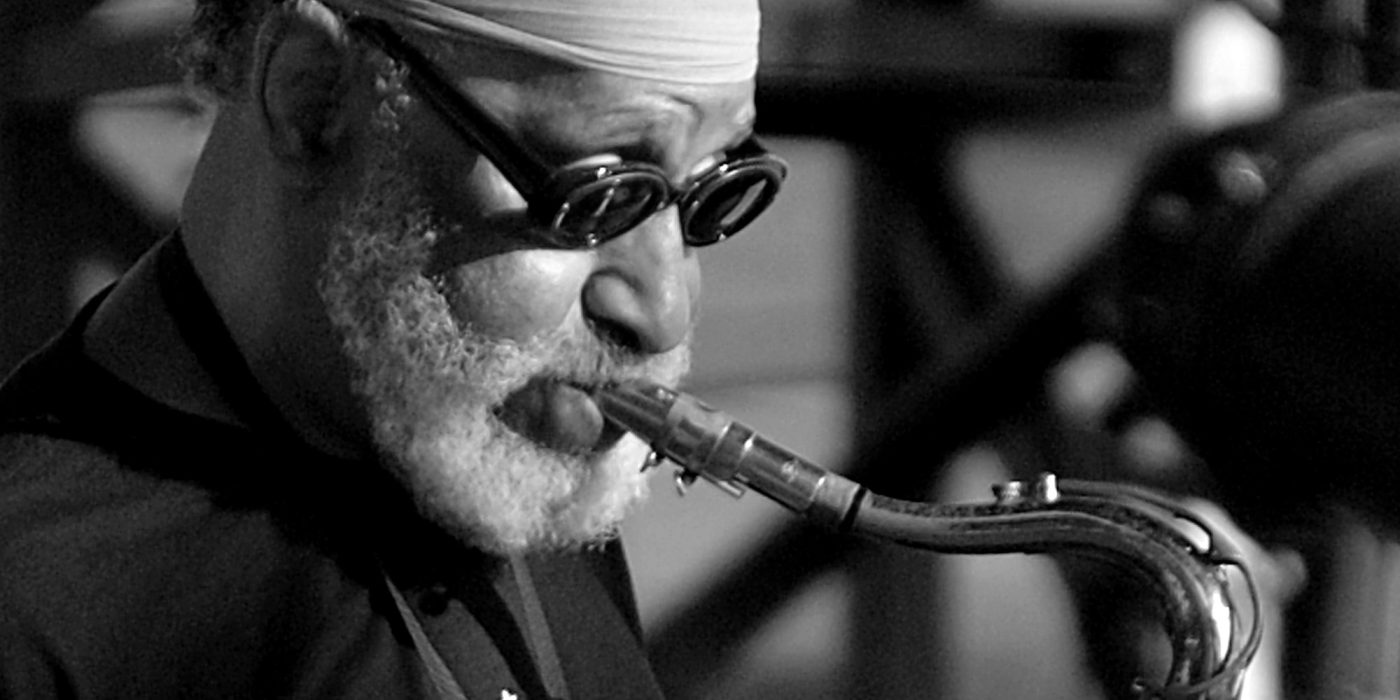
Jazz has always been a genre of ghosts, but in 2026, those ghosts are being reanimated in some fascinating ways. From the mainstream success of artists like Laufey to the avant-garde experiments in the London and Chicago scenes, the “state of jazz” is more fluid than it has been in decades. We are witnessing a dissolution of the boundaries between “high art” and “pop accessibility,” a shift that is making the genre more inclusive, more diverse, and, frankly, more interesting than the purists would like to admit.
The resurgence of the jazz club as a hub for young, digital-native audiences isn’t just about a trend in aesthetics. It’s a response to the sterility of digital production. There is a hunger for the live, the improvisational, and the imperfect. When we see a young saxophonist on stage in 2026, they aren’t just playing notes; they are engaging in a conversation that spans a century. The influence of hip-hop production on jazz drumming, and vice versa, has created a rhythmic language that is both ancient and futuristic.
However, this new-found popularity brings its own set of challenges. As jazz becomes a “vibe” curated for chill-hop playlists, there is a risk of losing the radical, political edge that defined the genre’s golden age. The challenge for the next generation of musicians is to maintain that improvisational fire while navigating a commercial landscape that prizes consistency over chaos. Jazz isn’t dying; it’s just shedding another skin, and what’s emerging underneath is as unpredictable as a Coltrane solo at 3 AM.