 Into The Music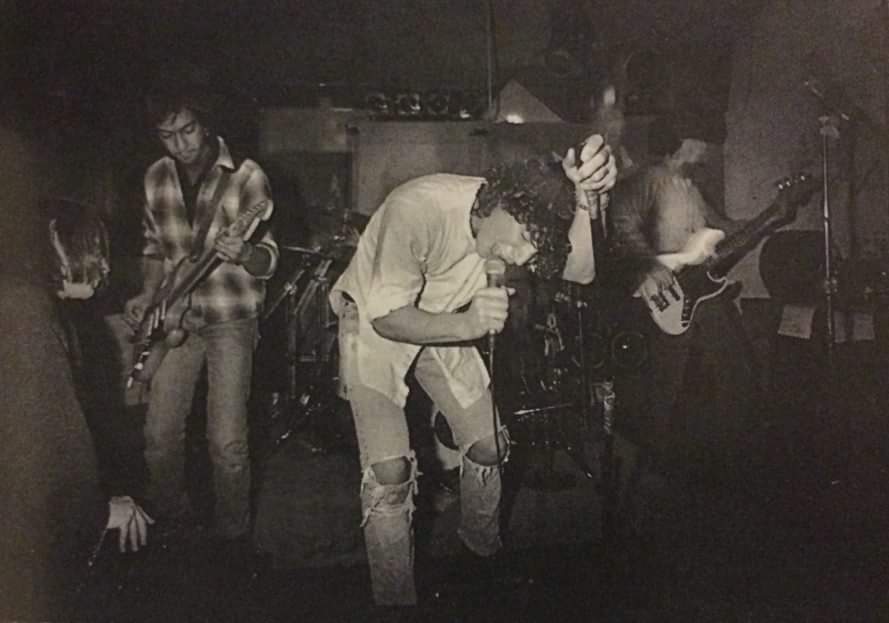
Grunge arrived in mainstream consciousness with the force of something that had been building underground for years before anyone in Los Angeles noticed. Seattle in the late 1980s was not trying to launch a movement. Bands like Soundgarden, Mudhoney, and Green River were playing clubs and releasing records on Sub Pop, a label with no budget and a lot of conviction, and the music sounded like it was made by people who had absorbed Black Flag and Black Sabbath and Neil Young in equal measure and then locked themselves in a practice room in the rain.
The combination that made grunge work was not simply loud guitars and distortion. Those existed everywhere. What grunge added was an emotional register that refused to be theatrical about itself. The anger was real. The melodic sense was stronger than the genre’s detractors ever gave it credit for. Kurt Cobain was a pop writer who happened to want to destroy what he was making even as he made it. That contradiction produced Nevermind, which is not a simple record whatever it looks like from the outside.
The critical shorthand treats 1991 as the beginning and 1994 as the end, which is both too neat and too convenient. Nirvana’s major label breakthrough was a punctuation mark on a scene that had already been functioning for several years. And the scene did not die with Cobain. Pearl Jam spent the next three decades becoming one of the most durable live bands in rock without particularly caring about what critics thought. Soundgarden released King Animal in 2012, twenty-one years after Badmotorfinger, and it sounded like a band that had never stopped. Alice in Chains remade themselves entirely and kept going.
What grunge did to the genre landscape was more significant than its own commercial moment. It killed the excesses of glam metal not by defeating it in argument but by making it look ridiculous by comparison. The sincerity and the mess and the refusal to perform coolness in the ways that 1980s rock required all registered as something more honest. That reframing opened space for everything that followed through the 1990s.
The influence has never fully receded. You can hear it in the fuzzy low-end of bands that came up in the 2010s with no direct Seattle connection. The rawness that grunge reintroduced into rock as a virtue has been absorbed into the vocabulary of guitar music in ways that are no longer labeled but are very much present.
It is worth resisting the nostalgia trap here. Grunge is not interesting because of what it was in 1991. It is interesting because of what it did to the grammar of rock music, and that grammar is still in use.
Grunge for me is complicated because honestly , most of it doesn’t make me want to move at all. Too much sitting in the feeling, not enough release. BUT I’ll say this: the way Nirvana built tension was real. Even with salsa ears you feel something when the quiet-loud dynamic kicks in. The grammar thing the article is talking about , I get it. They changed what rock sentences were allowed to sound like.