 Into The Music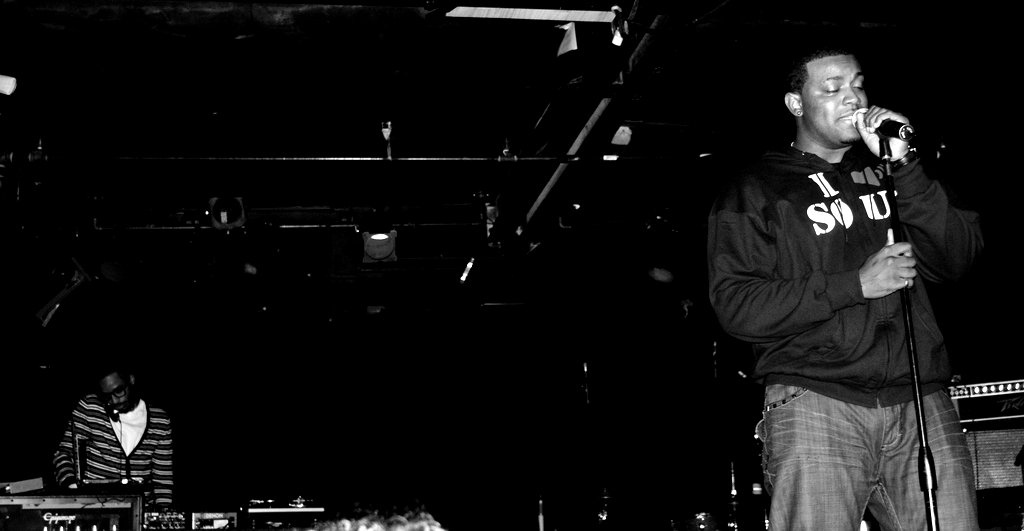
Hip-hop is fifty years old and still being described as a genre rather than a culture, which tells you everything about how persistent the misreading is. What started in the South Bronx in 1973 at a block party in a recreation room on Sedgwick Avenue has become the dominant form of popular music on the planet, and it has arrived there without losing the capacity to surprise, which is genuinely strange for something this large.
The genre was built from scarcity. No instruments, no recording budget, no label infrastructure, no access to the systems through which music was distributed and legitimized. What it had was turntables, microphones, voice, rhythm, and the human impulse to take existing material and make something new out of it. Sampling was not just a technique. It was an argument about how creativity works, about who owns what, about what gets to count as art. The legal battles over sampling that ran through the nineties tried to shut that argument down and succeeded partly and expensively. The music kept going anyway.
What hip-hop did structurally, as it expanded outward from New York to Los Angeles to Atlanta to Houston to Chicago to everywhere else, was develop completely distinct regional vocabularies that were all recognizably part of the same form. Gangsta rap out of LA in the late eighties and early nineties was not the same thing as East Coast lyricist rap, was not the same thing as Southern bounce, was not the same thing as drill. They all lived under the same umbrella, but they were saying different things about different places to different people. No other genre has managed that kind of geographic decentralization while maintaining coherence.
The mainstream ascent was complicated and is still complicated. By the mid-2000s, hip-hop was the biggest commercial genre in the United States. By the mid-2010s, the streaming era had made it globally dominant in ways that exceeded anything that had happened before. Spotify data showing hip-hop’s ubiquity is not a surprise. What is interesting is what that ubiquity didn’t do: it didn’t flatten the genre into a single sound. The mainstream version of hip-hop is a specific subset of what hip-hop is at any given moment, and the underground, the independent infrastructure, the regional specificity, all of it continues underneath and alongside the commercial version.
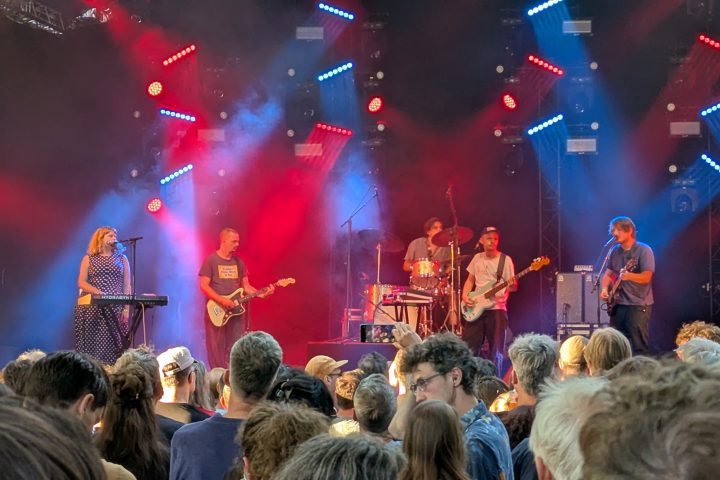
The current moment is one of genuine plurality. UK drill, which developed its own identity separate from Chicago’s original formulation, has produced artists crossing into the mainstream with enough British specificity intact to feel distinct rather than derivative. Afrobeats and hip-hop have been in conversation long enough that the lines between them are genuinely blurry. Conscious rap and trap exist simultaneously without either killing the other. The genre continues to absorb influence and generate influence in all directions at once.
Hip-hop is not going anywhere. That much has been obvious for a long time. What remains interesting is the gap between the scale of its cultural dominance and the degree to which it still operates through the same fundamental impulse it started with: someone with a microphone, something to say, and a beat behind them. The tools have multiplied. The principle hasn’t changed.
The article is so right to push back on the “genre” framing. When I try to explain hip-hop to my students , and I teach music at a secondary school , I always start with the four elements: DJing, MCing, breakdancing, graffiti. It’s a complete cultural system, not a category on a streaming platform. The music is just the part that leaked through the speakers into the mainstream. Understanding that changes how you hear everything from Grandmaster Flash to Kendrick.
YES!! And the connections to African music are so deep and so underdiscussed. The call-and-response, the griot tradition of storytelling, the polyrhythm in the production , hip-hop didn’t come from nowhere, it came from EVERYWHERE and Africa was a major thread. I get so excited talking about this honestly 🙌
What’s fascinating to me is how hip-hop traveled to places like China and completely transformed into something new while keeping that same energy. Chinese hip-hop has its own whole history now, artists rapping in Mandarin and Cantonese with production that blends trap with traditional instruments , the genre kept rewiring itself wherever it landed. 50 years and still going!! 🎤