 Into The Music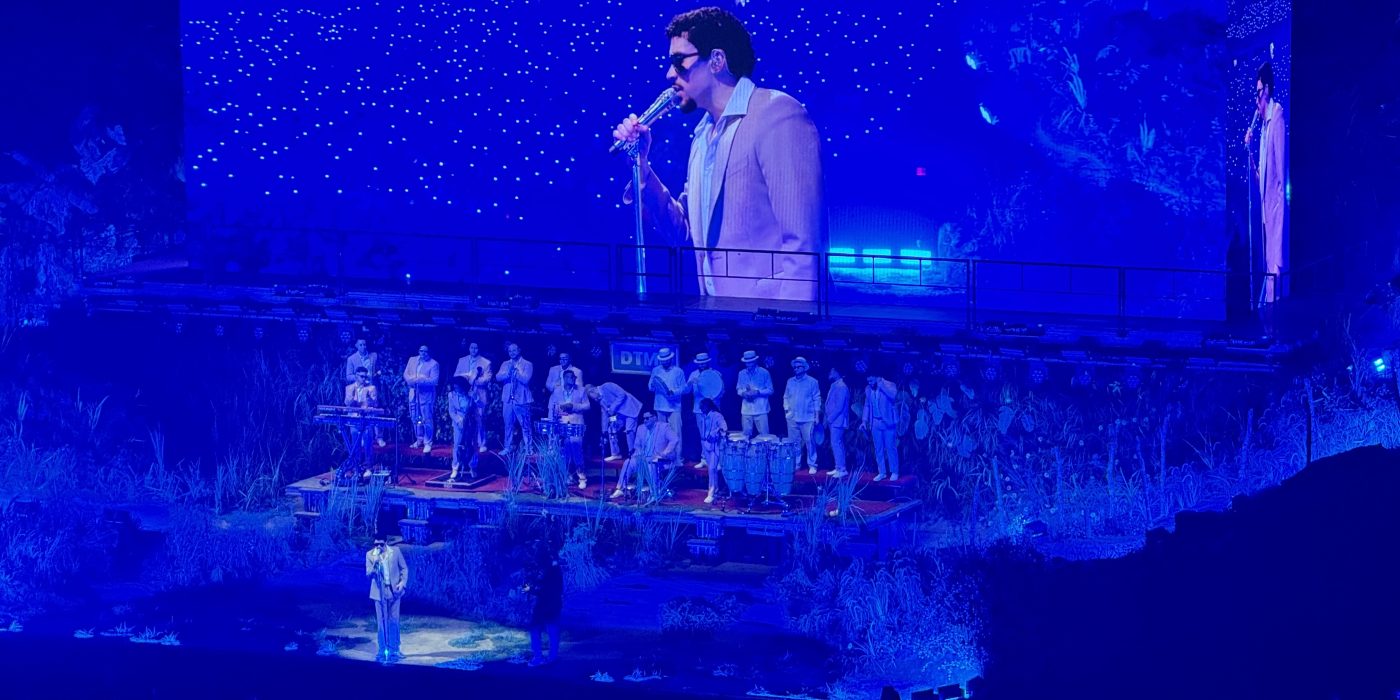
Reggaeton spent about a decade being dismissed, ignored, or condescended to by the English-language music press. Then, quietly, it became inescapable. Then, less quietly, it became one of the dominant forces in global pop. The genre did not wait for approval. It just kept growing until approval became irrelevant.
The roots are in Puerto Rico and Panama, in the 1980s and early 1990s, when artists started grafting hip-hop flows onto dancehall rhythms. The dembow pattern, that particular syncopated kick and snare structure, became the genre’s foundation and its fingerprint. You can hear dembow in everything from Ivy Queen to Bad Bunny to Young Miko to whatever is topping the Latin charts this week, and the thread connecting all of them across three decades is that beat.
The 2000s brought mainstream exposure via Daddy Yankee’s “Gasolina” and the genre’s first real crossover moment in the United States. Critics noticed, sort of. The coverage was often cautious, often condescending, the language of someone observing something from a polite distance. The music did not need that coverage to thrive. It had its own radio stations, its own touring circuits, its own streaming numbers, all of which pointed in one direction.
What changed in the 2010s was the collision of reggaeton with the streaming era. Platforms that measured global listening habits made it impossible to ignore what the data was saying. Luis Fonsi and Daddy Yankee’s “Despacito” became the most-streamed song in history at the time of its release. Bad Bunny followed with a run of albums that were not just commercially dominant but critically acclaimed, a combination that used to be considered structurally impossible for reggaeton.
The genre is not a monolith. It never was. Trap latino sits alongside more traditional dembow. R&B hybrids produced by figures like Tainy have expanded the sonic vocabulary without abandoning the rhythmic core. Artists like Young Miko are pushing reggaeton into queerer, stranger, more emotionally complex territory, and her recent collaboration with Skrillex on “Duro” is exactly the kind of genre collision that would have been unimaginable fifteen years ago and is now simply a thing that happened.
The critical conversation has finally, mostly, caught up. Publications that spent years ignoring Latin urban music now have full beats dedicated to it. Grammy categories have expanded. The arguments that used to happen at the edges of music criticism, whether reggaeton counted as serious art, whether its lyrical content was worth engaging with, whether the genre deserved the same analytical attention given to indie rock, have largely been settled by the music itself, which kept being excellent whether or not anyone was paying attention.
What reggaeton does better than almost any genre is function simultaneously as body music and emotional music. The best tracks hit physically first and then reveal themselves as something more. That combination is not easy to achieve. Most music chooses one or the other. Reggaeton refuses the choice, and that refusal is central to its appeal and its longevity.
Forty years in, the genre is bigger than any single scene, any single country, any single language. It does not need a retrospective. It is still happening. That is more interesting than nostalgia.
I came to reggaeton completely by accident , a yoga instructor used a reggaeton track in class a few years back and something in my nervous system just responded. That dembow rhythm is actually remarkably grounding when you slow down and feel it rather than just hear it. The piece’s description of it becoming ‘inescapable’ resonates for me , not as a complaint but as recognition. Some sounds find you whether you’re looking for them or not, and I think that’s what this article is really describing.
What’s interesting is how differently this global expansion played out compared to, say, Cantopop’s regional dominance in the 80s and 90s. Cantopop spread through diaspora communities and pirated cassettes , it was a cultural connection tool, intensely local in meaning even as it traveled. Reggaeton’s expansion happened through algorithm-friendly production choices and deliberate crossover collaborations. Both are legitimate paths, but they produce very different relationships between music and new audiences. The ‘without asking permission’ framing is romantic but overstates the artists’ control over the mechanism.
Reggaeton cracked globally what grime couldn’t and I’ve fully made my peace with it. Dembow in a proper club is just different. Nothing to argue about.
Dom’s point about dembow is where I’d start the production conversation. That rhythmic pattern is doing something really specific to the body , it’s not just a groove, it’s almost a physiological trigger. When I’m in the studio working on Afrobeats tracks I think about dembow constantly because the way it distributes kick and snare energy across the bar is genuinely instructive. Two traditions that arrived at similar solutions from completely different angles.