 Into The Music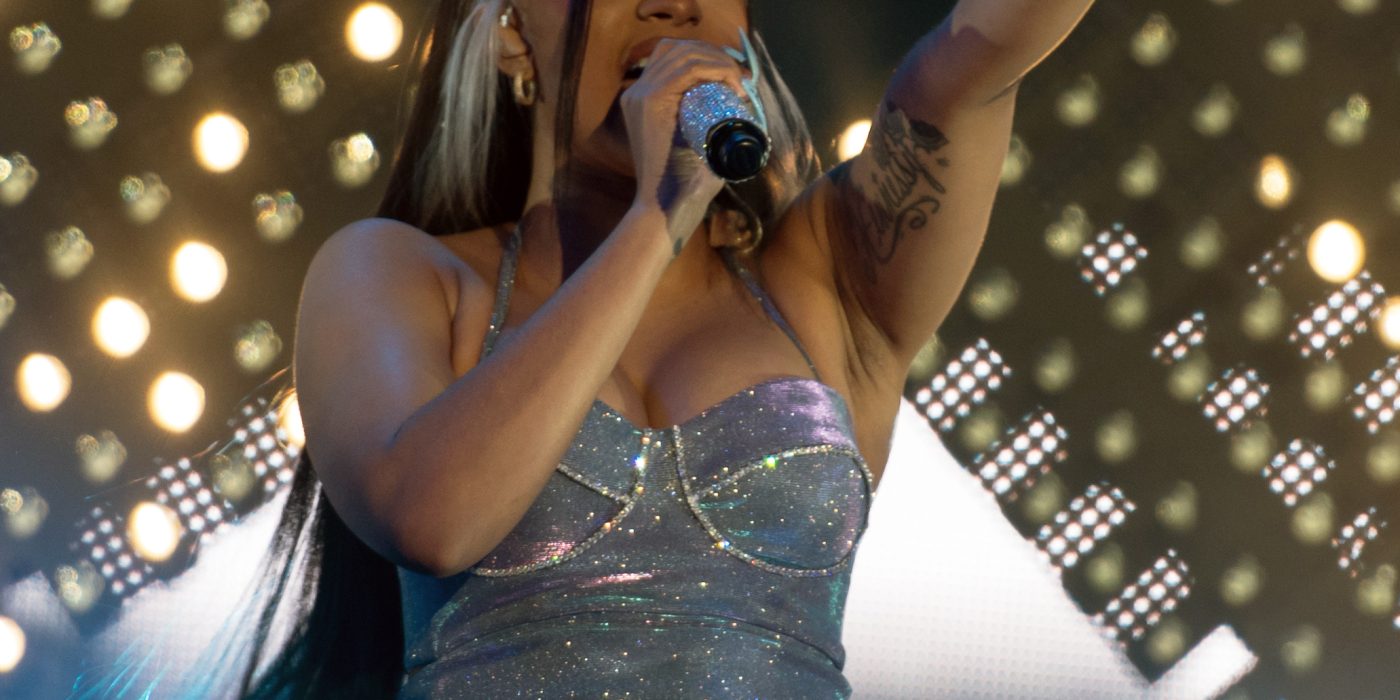
On March 30, a federal judge dismissed a copyright infringement lawsuit targeting Cardi B over her 2024 hit “Enough (Miami),” and the ruling was less a vindication than a door shut on the wrong building. The court found it lacked jurisdiction over Cardi B and her co-defendants, Atlantic Records, meaning the plaintiffs never even got to the substance of their claims.
The lawsuit came from musical duo Kemikal956, made up of Joshua Fraustro and Miguel Aguilar, who alleged that “Enough (Miami)” copied their song “Greasy Frybread,” a track featured in the critically acclaimed FX series Reservation Dogs. The original suit was filed in July 2024. The judge dismissed it on jurisdictional grounds, but added that even if the court had jurisdiction, the claims would likely have failed anyway.
That last part is the interesting piece. Copyright cases in music have become a minefield over the last decade, and the bar for what constitutes infringement has been stretched and squeezed by courts in ways that still feel unsettled. The Blurred Lines verdict changed how musicians wrote songs for years. Katy Perry’s “Dark Horse” win gave some breathing room back. Each case redraws the map slightly differently.
What makes the Kemikal956 case notable is the cultural context around it. “Greasy Frybread” belongs to a show that centered Indigenous storytelling and music in a way American television rarely does. The idea that a mainstream pop hit could absorb something from that world, and the original artists would have to fight for recognition in federal court, carries a weight that goes beyond a typical infringement claim. Whether or not the copying actually happened is now a question that may never get a real answer.
For Cardi B, this is a clean exit from a case that had been hanging over a record cycle that was otherwise a commercial success. “Enough (Miami)” performed well, and the legal situation generated attention she probably did not need. A dismissal on procedural grounds is not a ringing declaration of innocence, but it is a closed case.
The Kemikal956 team could potentially refile in a court that does have jurisdiction, if there is one. Whether they pursue that is a financial and practical question as much as a legal one. Independent artists suing major label machines face enormous resource gaps, and even a case with merit can collapse under the weight of legal costs before it ever reaches trial.
What lingers after a ruling like this is the question of who gets protected and who has to fight to be heard. The music industry’s relationship with smaller artists and emerging cultural spaces has always been extractive in ways that rarely get litigated successfully. Cases get dismissed. Songs become hits. The people who made the original thing are left to explain it on social media.
Whether “Enough (Miami)” actually borrowed from “Greasy Frybread” is now a matter of opinion rather than law. That is not the same thing as resolved.



The dismissal makes complete sense once you read the actual legal standard being applied , the judge is right that ‘enough’ as a word can’t be owned and the Miami connection to the beat is a documented element with clear prior use. But what’s genuinely interesting here is that this case reveals how blurry the evidentiary threshold has become post-Blurred Lines. That ruling created a template for infringement claims that probably should never have been allowed to set precedent, and we’re still living in the fallout. Cardi wins this one, but the legal landscape for interpolation and sample-adjacent composition is still deeply unstable.
What the article calls a ‘ruling’ is really just a conversation about who gets to claim ownership over sound , and that conversation has a very particular history in Black music, where cultural production has been extracted, repackaged, and litigated over for more than a century. I’m not saying Cardi B is a folk tradition, but the structural conditions that produce these suits , the over-extension of IP law into musical idiom , have always disproportionately affected artists from communities where musical language is understood as communal inheritance rather than individual property.
Copyright law in Western music contexts has never been designed to accommodate traditions where composition is understood as ongoing communal dialogue , and chimurenga music, mbira, all of it operates on a fundamentally different relationship to authorship. When Thomas Mapfumo recorded songs that drew on spirit possession ceremonies, questions of ‘ownership’ would have been completely alien to the tradition he was working in. The Cardi B case is obviously a much simpler legal matter, but I find these copyright disputes useful as reminders that our entire legal framework for music is built on one very specific theory of what creating music means.