 Into The Music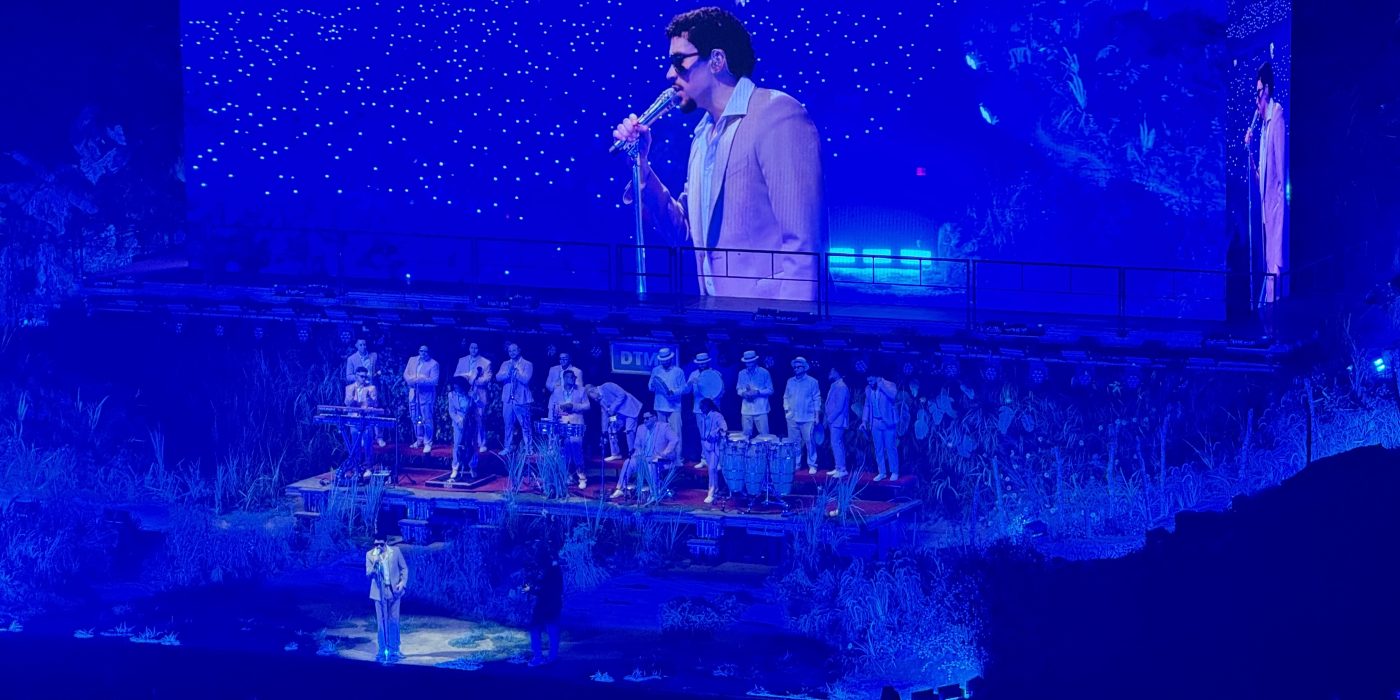
Latin pop has a problem that most genres would love to have. It is too big, too varied, and too successful to be contained in a single story. The name suggests a category. What it actually describes is a set of overlapping currents that have been shaping global pop for at least thirty years and are now so embedded in the mainstream that separating them from it would leave almost nothing behind.
The starting point that most critics reach for is the 1990s, when artists like Ricky Martin, Shakira, Marc Anthony, and Jennifer Lopez crossed over into the anglophone market in a wave that got breathlessly described as the “Latin explosion” at the time. The framing was condescending and accurate in equal measure. These artists were not discovered. They had been famous for years in Spanish-language markets. What changed was that American pop radio decided to let them in, and the result was a commercial moment that felt sudden only to people who had not been paying attention.
Shakira is the useful case study because her career before the crossover is as interesting as her career after it. The rock-influenced Colombian singer was already making some of the most distinctive pop in Latin America when “Laundry Service” introduced her to the world beyond it. What English-speaking audiences heard as exotic was, to anyone who had been listening, just Shakira being herself at a higher volume.
What came after the nineties wave was not a retreat but a diversification. Reggaeton emerged from Puerto Rico and Panama as a hybrid of reggae, hip-hop, and Caribbean rhythms, and it grew into one of the dominant global pop sounds of the 2000s and 2010s. Daddy Yankee’s “Gasolina” is probably the clearest early watershed, a track that made the sound legible to listeners everywhere without explaining itself or asking permission.
Bad Bunny is where the story currently lives. The Puerto Rican artist has spent the last several years as one of the most-streamed musicians on earth, full stop, not qualifying it with “Latin” or “Spanish-language” in a way that would separate him from the general pop conversation. His albums have been acclaimed by mainstream critical institutions without anyone needing to apply a cultural context disclaimer. He is just a great pop artist who sings in Spanish, which is apparently the thing that had to be demonstrated over and over before it was accepted as simply true.
There are younger artists building on what Bad Bunny and his generation cleared space for. The sound is continuing to fragment in the way all healthy genres fragment, with artists pulling toward different combinations of regional styles, electronic production, hip-hop influence, and traditional forms. The distinctions between reggaeton, trap en espanol, bachata pop, and corridos tumbados matter to people who care about them, which is a lot of people, and the borders between them are being negotiated in real time.
What unites the whole thing, or at least what the best of it shares, is a particular kind of emotional directness. Latin pop has always understood that a great song needs to reach the body and the feelings at the same time, that rhythm and melody are not separate concerns, that the whole point is to make something people want to move to and feel something while they are doing it. That is not a regional quality. It is a musical one. Which is why the genre that was once described as a crossover has mostly just crossed over, and stayed.

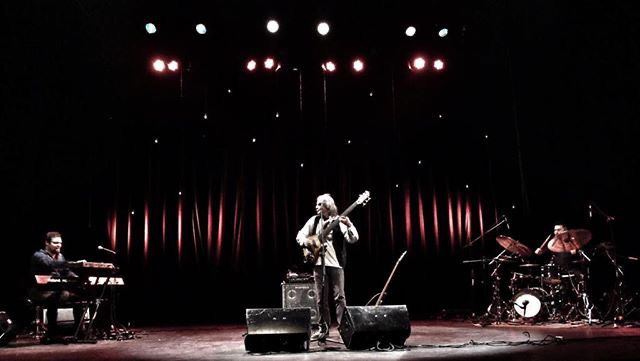
Reading this as someone who plays small venues and couldn’t tell you what genre I fit into , this hits differently. Latin pop crossed over because it stopped asking for permission to be itself, and I think about that every time I’m trying to figure out if my songs are “too country” or “not country enough” for some playlist. Maybe the answer is just: make the thing that’s true and let someone else sort the label.