 Into The Music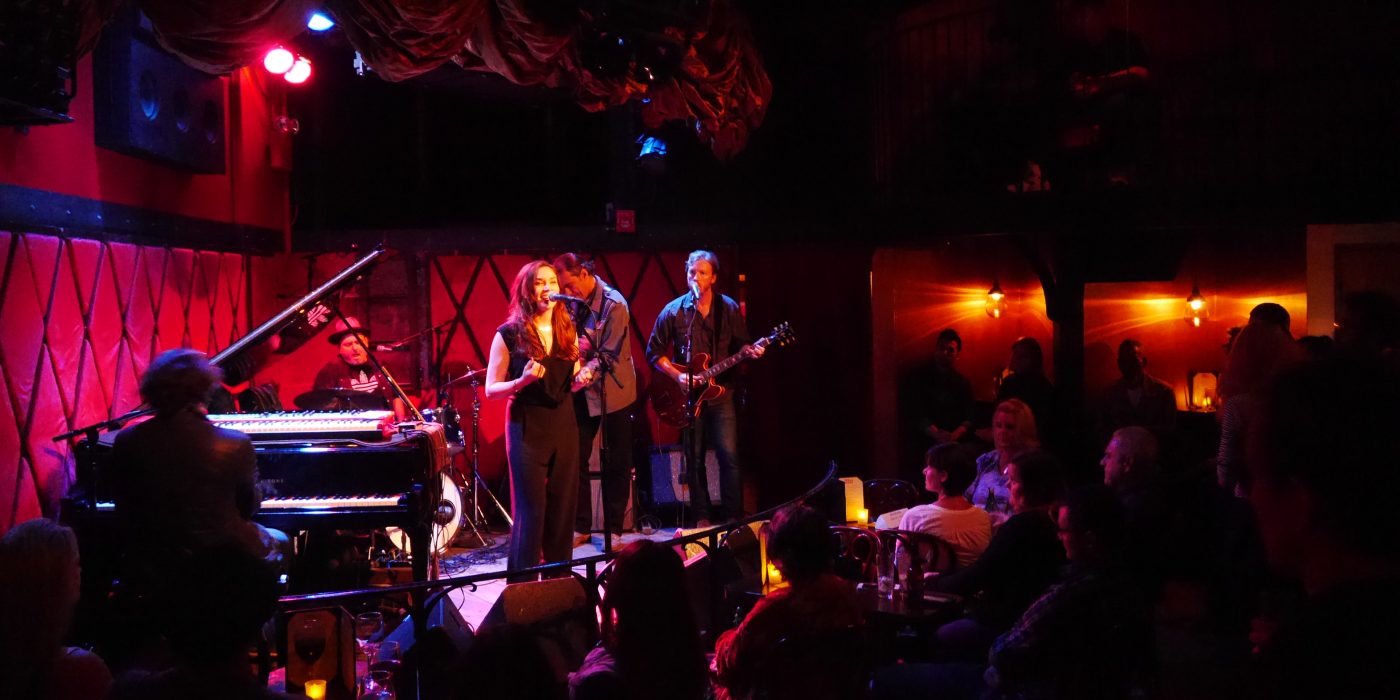
Neo-soul has never really had a defining moment. No single album or year or scene made it what it is. It arrived somewhere in the mid-1990s, stayed, got absorbed into R&B and hip-hop and pop at various points, and then quietly refused to disappear even as every other genre around it went through visible cycles of death and revival. In 2026, it is more present than it has been in years, and almost no one is calling it a comeback because it never actually went anywhere.
The current wave is less cohesive than its predecessors. D’Angelo and Erykah Badu built neo-soul’s original identity around a specific aesthetic: live instrumentation, spiritual and social themes, a production style that felt almost deliberately rough-edged compared to the polished R&B of the same era. What followed, from Maxwell and Jill Scott through to the British contingent of Corinne Bailey Rae and Omar, filled in the genre’s outlines without always matching that founding intensity.
What is happening now does not have a manifesto. Samara Cyn is making music in Los Angeles that weaves hip-hop cadences into something deeply soulful without treating either element as a feature or a guest. Her NME cover this week was the kind of mainstream recognition that the genre does not always get, and the profile treated her not as a genre representative but as a singular artist, which is how it should be. The genre is doing its best work when it disappears inside the individual voice.
That invisibility is part of the appeal. Neo-soul is not a trend. It does not announce itself at the start of each year as the next big thing. It accrues. Artists working in its orbit tend to build slowly, through albums that reward repeated listening, through live reputations that spread by word of mouth, through the kind of quiet devotion that does not generate clicks but sustains careers over decades.
The British connection remains strong. The London scene that produced Amy Winehouse and Duffy in the mid-2000s has continued to produce artists who take the emotional temperature of soul music seriously. Samm Henshaw, Jordan Rakei, and Ego Ella May are working in a tradition that connects back to the original neo-soul moment while having no nostalgia for it. They are making contemporary music that simply happens to know where it comes from.
None of this is going to dominate the charts. It does not need to. Neo-soul has always known its audience, and that audience tends to stay. The genre’s 2026 moment is not a headline. It is the sound you hear underneath the noise, patient and precise and exactly as present as it needs to be.
What strikes me about neo-soul , and this piece captures it so well , is that it arrived without fanfare and stayed without needing to announce itself. There’s something almost spiritual about that quality. Qawwali works the same way: it doesn’t peak and resolve in the Western sense, it accumulates, it circles, it finds you where you are. The ‘quiet, intentional’ framing in the headline feels exactly right. Music that insists on being heard rather than demanding your attention is doing something quite profound.
Tariq, yes!! That spiritual quality is so real. You know what it reminds me of , the way a good konpa song just holds you without rushing anywhere. Neo-soul has that same patience with a groove, that sense of trust that the feeling will find you if you let it.
It’s like ABBA. Nobody announced that ABBA mattered. Then one day it was just obvious.
The comparison that keeps coming to mind is bel canto opera , a form that was also accused of being decorative, emotional, perhaps too lush for serious listeners. And yet there’s a reason Bellini and Donizetti endure while their critics are forgotten. Neo-soul has that same quality of being misread as ornament when it is actually architecture. The quietness the piece describes isn’t passivity. It’s confidence. A form that knows it doesn’t need to announce itself.