 Into The Music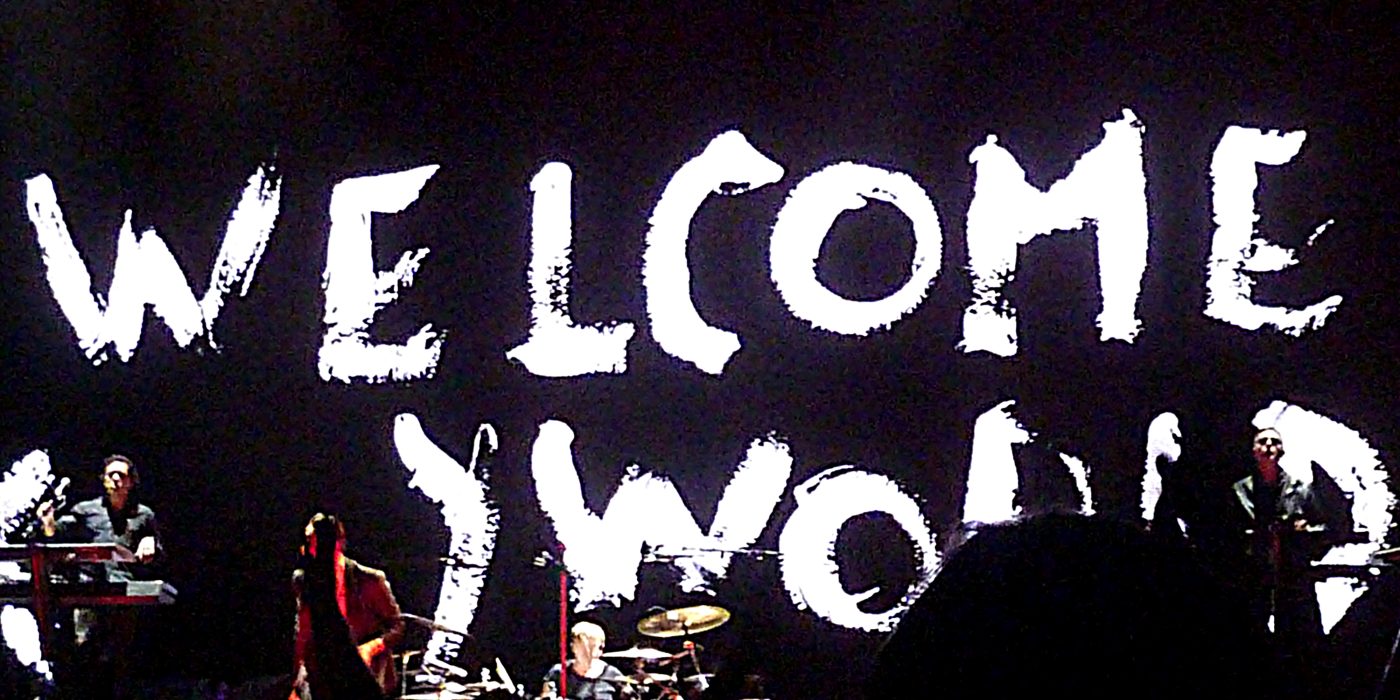
New wave emerged in the late 1970s as a commercial refinement of punk, taking the energy and the anti-establishment attitude and making it more melodic, more produced, and more accessible to radio. The genre name itself was partly a marketing invention, a way to sell music that had punk’s momentum without punk’s abrasiveness to a mainstream that was ready for something new after disco’s decline.
The key bands include Blondie, Talking Heads, Devo, Elvis Costello and the Attractions, The Cars, The B-52s, The Police, Joe Jackson, and later XTC, Human League, and dozens of others who were making music with synthesizers, angular guitar, crisp production, and hooks that could compete with anything on mainstream radio. New wave at its best was simultaneously smart and fun, which is harder to achieve than it sounds.
The Cars, specifically, were the purest pop expression of the form: Ric Ocasek’s production was immaculate, the hooks were inescapable, and the slightly detached emotional register of the lyrics created a tension between the warmth of the music and the cool of the delivery that became enormously influential. “Just What I Needed,” “Shake It Up,” and “Drive” are not small accomplishments.
Collective Soul announcing a new wave-inspired album in 2026 is a band consciously reaching back toward a specific moment in rock and pop history. Whether Touch and Go actually sounds like The Cars or just sounds like Collective Soul playing with new toys is a question the album will answer on April 18. Either result would be interesting in its own way.


I came to new wave through a strange door , someone played me a Cocteau Twins record during a meditation retreat and it completely rewired how I experienced sound. There’s something in that early synthesizer texture, that shimmer of the machines finding melody, that actually slows the nervous system down in a way acoustic instruments don’t always do. The title of this piece is a little cheeky but not entirely wrong , new wave made space for people who needed music to carry more than a good time.
Wendy, your Cocteau Twins story is exactly the kind of thing I love hearing. I came to new wave from the other direction , I was already deep into the 70s rock scene, had seen Springsteen and Fleetwood Mac, thought I had my musical identity sorted. Then a friend dragged me to a Talking Heads show in ’79 and I genuinely didn’t know what to do with myself. The suits! The jerky dancing! David Byrne doing things with his body that no one had done on a rock stage before. I remember standing there thinking, ‘This is either the future or a prank, and I don’t care which.’ It was the future, obviously.
Tariq’s point about new wave and dislocation is sharp and connects to something producers often talk about , the best new wave records were made by people who didn’t fully belong to any scene, which meant they were free to borrow without obligation. That freedom shows up in the production choices: the willingness to strip out the rhythm guitar, lean into reverb as texture rather than effect, let the synth carry harmonic weight that a full band would have covered. The commercial instincts were real but they came from outsider ears, which is a combination that doesn’t come along often.
omg a Cocteau Twins record at a meditation retreat?? that is somehow the most perfect and also most unexpected introduction to new wave I’ve ever heard. I came in through like Dua Lipa and then someone put me onto new wave through a playlist and I was like wait people were making music this interesting in the 80s?? I feel like I’ve been cheated out of decades of good listening lol. now going down a rabbit hole thanks to you
What strikes me about new wave, reading this, is how much it was a music of dislocation , of being between worlds. In qawwali we speak of the hal, the state that overtakes you when sound and meaning align. New wave found its own kind of hal, I think, through that tension between the polished surface and the yearning underneath. Joy Division understood this deeply. The grief was real even when it wore synthesizers.
The headline is slightly smug but the point underneath it is real. New wave understood that space in a mix is not emptiness , it’s a decision. That lesson still hasn’t fully landed for most producers.
The headline’s smugness is exactly worth interrogating, because “safe for smart people” reveals who gets to define smart in the first place. In classical Arabic poetry , the muwashshah form in particular , sophistication and popular appeal were never in opposition; the whole point was that formal complexity and emotional directness inhabited the same verse. New wave borrowed European art-school aesthetics and called that intelligence, which is a specific cultural claim dressed up as a universal one. The music itself is often genuinely remarkable. The framing deserves more scrutiny than it gets.
New wave is why dance floors learned silence. The gap before the drop. Not everything needs to fill space.