 Into The Music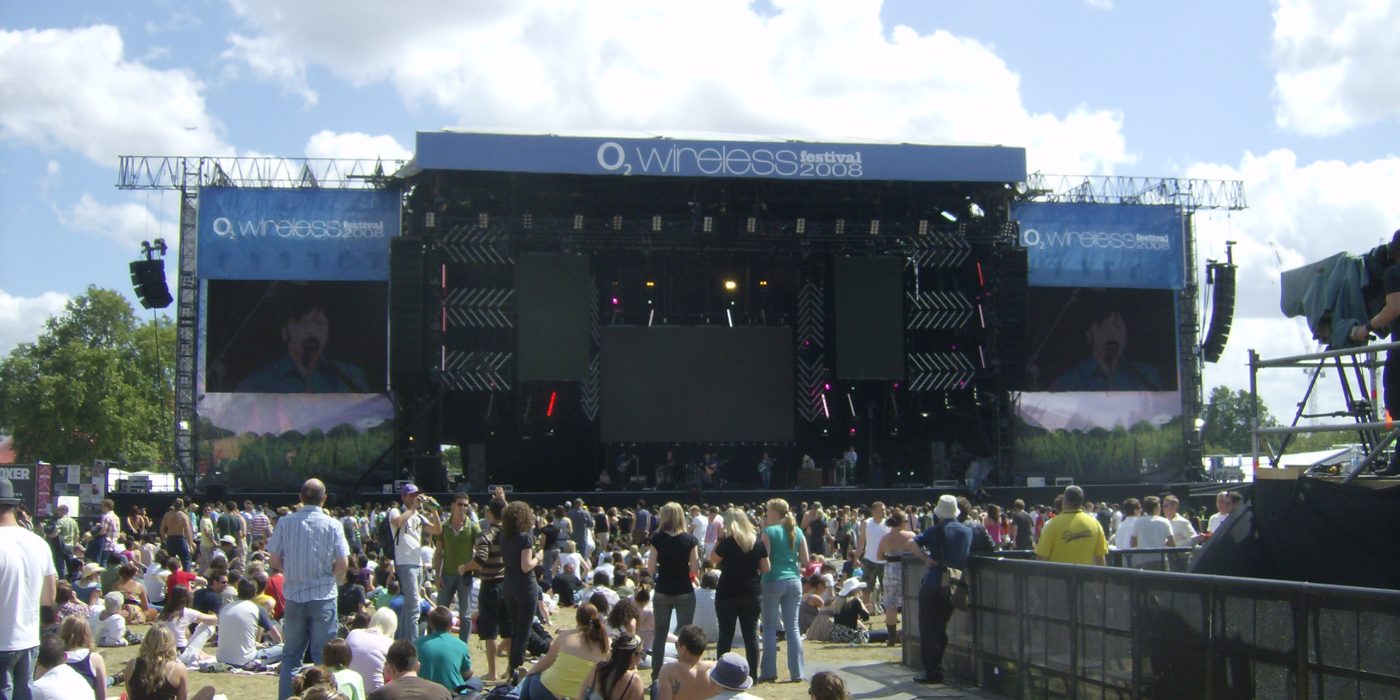
Pepsi has pulled its presenting sponsorship from London’s Wireless Festival, and Diageo, the drinks conglomerate behind Johnnie Walker and Captain Morgan, quickly followed. The cause: the booking of Kanye West as a three-day headliner this summer.
The withdrawals came fast, within hours of public pressure building after the announcement was confirmed. British Prime Minister Keir Starmer weighed in directly, calling West’s booking “deeply concerning” in an interview with The Sun. “Antisemitism in any form is abhorrent and must be confronted firmly wherever it appears,” Starmer said. “Everyone has a responsibility to ensure Britain is a place where Jewish people feel safe.”
For context: West’s antisemitic statements have been well-documented since at least 2022. As recently as spring 2025, he was selling merchandise printed with swastikas and released a track called “Heil Hitler” that sampled a speech by the Nazi leader. Earlier this year, ahead of the release of his album “Bully,” West placed a full-page apology ad in The Wall Street Journal, attributing his conduct to the effects of his bipolar I diagnosis. The music industry, by and large, started edging back toward him.
Wireless’s parent company, Live Nation subsidiary Festival Republic, has not reversed the booking. The festival is scheduled for London’s Finsbury Park in July.
What’s notable here is not just the sponsor exits, though those are significant, especially Pepsi as the title sponsor of a major UK urban music event. What’s notable is the speed and the clarity. Corporate sponsors in the music space have historically been slow, cautious, and allergic to anything that reads as political. This time, the exits happened within a news cycle. Pepsi made no statement hedging on “awaiting more information.” Diageo didn’t float a review period. They both just left.
There’s a version of this where that looks like progress, a demonstration that accountability has actual teeth when applied consistently. The counterpoint, the uncomfortable one, is that the same accountability has not been applied with anywhere near the same consistency to other artists with credibly documented histories of abuse, violence, or exploitation. West’s specific offenses, public, explicit, and Nazi-adjacent, may make him uniquely easy to act against. The harder cases, the ones that require more nuanced cost-benefit analysis, still tend to go the other way.
What the Wireless situation doesn’t resolve is the central question that has followed West’s recent industry rehabilitation: whether an apology framed around mental health, genuine or not, should function as a get-out-of-consequences card for explicit hate speech. The Wall Street Journal ad bought him a lot of goodwill with a certain segment of the industry. It has not, apparently, bought him Pepsi.
For the UK specifically, there’s an additional layer. The Wireless audience skews heavily toward Black British music fans, the very community that built the festival’s reputation over more than two decades of grime, Afrobeats, and UK hip-hop. Booking West as a headliner is a statement about whose money matters, and who gets looked past when money is involved. The sponsor exits don’t fully answer that, but they at least suggest the math isn’t quite as simple as whoever guarantees the biggest ticket sales.
Whether Wireless pulls the booking or proceeds remains to be seen. The festival has already sold tickets. Refund obligations complicate any reversal. But the narrative around the booking has shifted significantly in the last 48 hours, and not in Festival Republic’s favor.


The sponsor pullouts are worth thinking through carefully. Pepsi and Diageo aren’t acting on principle in a vacuum, they’re responding to pressure from their own consumer research and marketing risk teams. What’s notable is how quickly Diageo followed, which suggests the festival had limited time to course-correct before a cascade. For a UK festival with international headliners and a historically Black audience base in attendance, this booking decision was always going to land differently than it might elsewhere.
Wireless without major sponsors is a different festival. Simple as.
Setting aside the controversy for a second, the logistics headache here is real. When headline bookings get shaky this close to the event, the whole production rhythm gets disrupted. Sound check scheduling, stage timing, crew rotations, it all gets renegotiated. The artists further down the bill are the ones who actually feel that chaos, not the headliner.