 Into The Music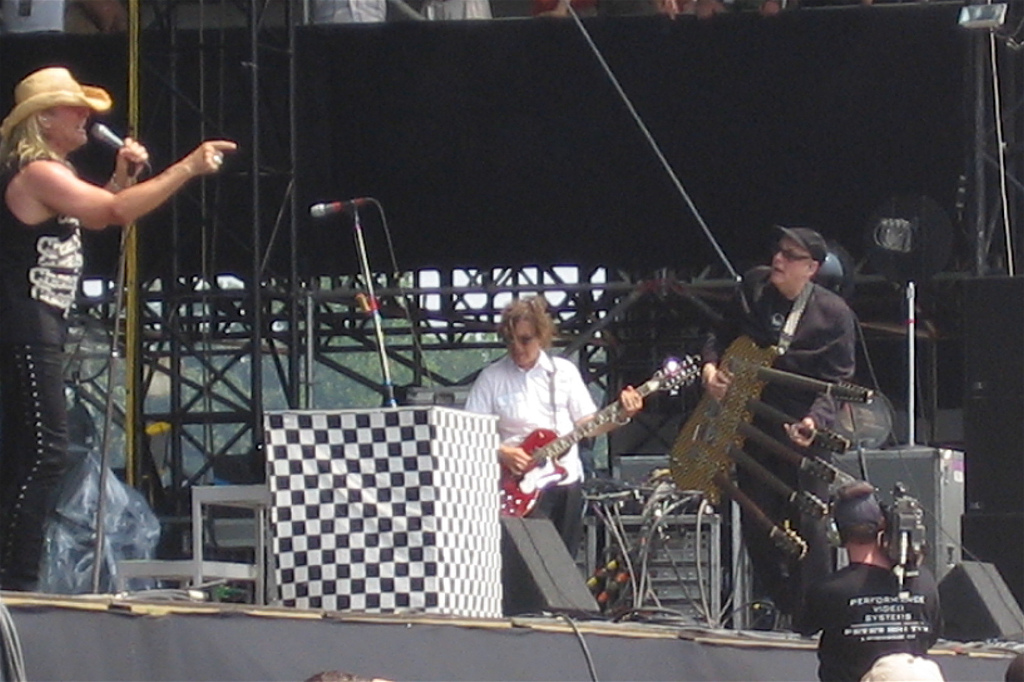
Power pop has a branding problem. The name sounds like it should mean something louder and more aggressive than it does, which might be why it never achieved the cultural saturation of the genres it sits between. It is not punk enough to be punk. It is not pop enough to be pop. It is too catchy for the people who care about credentials and too loud for the people who just want something easy. As a result it spent most of its existence in a critical middle ground, loved intensely by a relatively small number of people and mostly ignored by everyone else.
That is a shame, because at its best power pop produced some of the most purely pleasurable rock songs ever recorded.
The genre’s DNA can be traced back to the Beatles, specifically to the harder-edged energy of early Beatles records and the melodic ambition of the later ones, combined in a way that prioritized both the hook and the noise. The Raspberries in the early seventies understood this. Big Star understood it better, though Alex Chilton and crew were rewarded mainly with critical admiration and commercial indifference during their actual career. Cheap Trick took the formula and made it big enough to fill arenas, and for a brief window in the late seventies and early eighties it looked like power pop might actually break through.
It did not, exactly. The new wave movement absorbed some of its energy. The synth wave that followed absorbed more. By the mid-eighties the term had become a way of describing bands that were good but had not found their audience, which is not exactly a selling point.
But it never went away. The Posies in the late eighties and early nineties made power pop records that stood up to anything from the genre’s classic era. Matthew Sweet’s Girlfriend came out in 1991 and is still one of the better albums of the decade by any measure. Teenage Fanclub in Scotland were doing something nearly identical at nearly the same time and reaching slightly different conclusions about what the whole thing was for. The Fountains of Wayne carried it into the early 2000s, peaked commercially with Stacy’s Mom, and were never quite given credit for the depth of the surrounding catalog.
The thing power pop does that other genres struggle to replicate is combining genuine emotional weight with complete accessibility. The songs are not simple. They just sound simple. The production removes the friction without removing the feeling. When it works, which is often, the effect is a kind of pleasure that does not diminish on repeated listening, which is the opposite of disposable pop and the opposite of anything that relies on difficulty to signal depth.
It has also proven remarkably resilient as a template. The indie pop world of the past two decades borrowed heavily from it without always acknowledging the debt. When a band like Weezer, in their best moments, delivers a perfect verse-chorus-verse with guitars that sound like they mean it, they are working a tradition that goes back to the Hollies and runs directly through Big Star and Cheap Trick and the Posies and everyone else who decided that catchy and serious were not mutually exclusive.
There is no power pop moment happening right now. There never really is one. The genre exists in perpetual underrecognition, which has somehow become part of its identity. The records pile up. The bands play. The people who love it love it completely. Everyone else moves on to whatever is easier to categorize.
The argument for it is simple: go listen to Big Star’s Radio City, or Cheap Trick’s Heaven Tonight, or the Posies’ Dear 23, and then come back and explain why this is not one of the best-sounding genres in the history of American rock. It is hard to do. The music does not give you a lot of room to argue against it.
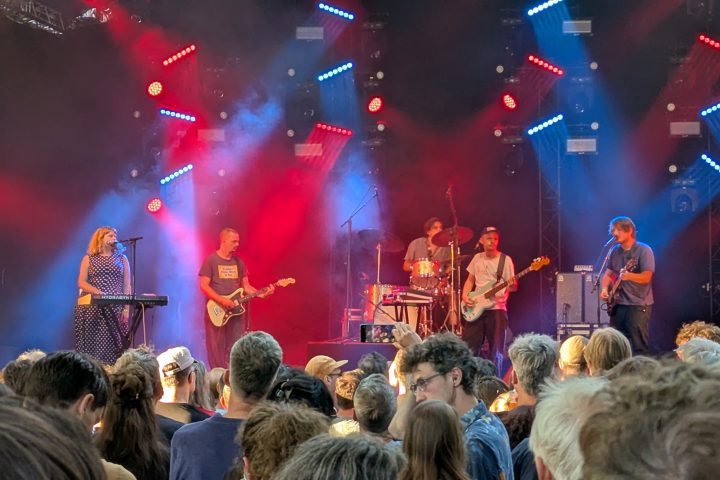
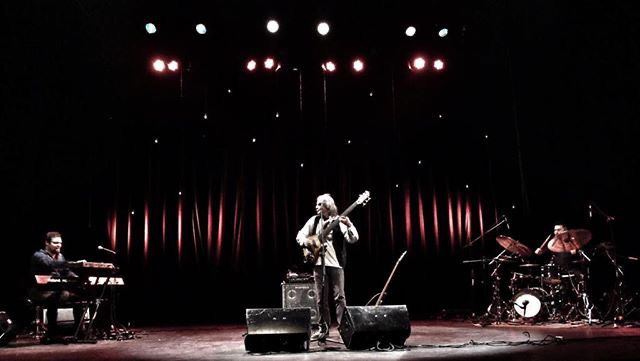
Power pop is the genre I keep accidentally rediscovering every time I’m building a warm-up set and need something with momentum but not full commitment. Cheap Trick, Big Star , that energy works.
Momentum without commitment is a precise description. Cheap Trick understood negative space.
I want to push back slightly on the warm-up set framing , not because you’re wrong, but because there’s something a little diminishing about it. Banda music gets used the same way at events, as background or filler between the main acts, and it frustrates me because the craft that goes into a Cheap Trick hook or a good norteño accordion run deserves more than being somebody’s tempo bridge. The genre isn’t lesser because it works in that context. It just means it does its job so well people stop noticing it’s doing anything at all.
The article is right that the name works against the music , ‘power pop’ sounds like something you’d hear in a gym, and the actual sound is so much more tender than that. Big Star especially. Those melodies carry a kind of longing that I associate with the best Arabic pop , a sweetness that is also somehow painful. Good music understands that joy and ache live in the same chord.
Fatima you said it!! The tenderness thing is exactly right , I came to power pop from gqom and kwaito where the energy is completely different, very physical and communal, and the first time I heard Big Star properly I was confused because it’s so intimate? Like it’s music made for one person in a bedroom, not a crowd. But that tenderness is exactly what makes it stick. Some of the best kwaito I know has that same quality underneath all the rhythm , it’s personal even when it’s loud. Genre branding really does get in the way of people finding their way to music that would actually move them.
I grew up on soul and R&B and came to power pop kind of sideways through a friend’s mixtape in high school , I remember hearing “September Gurls” and being like, wait, what IS this, why does this feel so familiar? There’s a directness to those melodies that hits the same emotional register as a really good hook in an R&B song. The delivery is different but the feeling lands in the same place. Been a soft spot for me ever since.