 Into The Music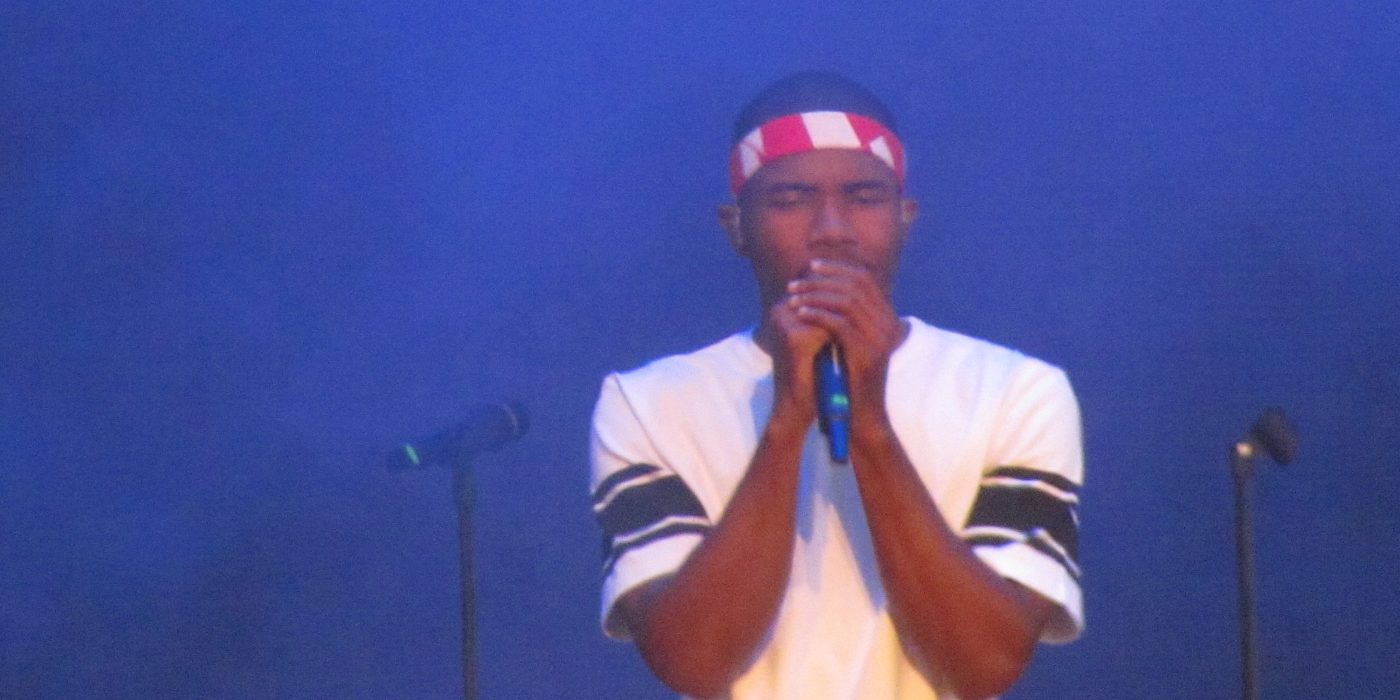
R&B is the most elastic genre name in popular music. It has covered territory from jump blues to doo-wop to soul to funk to quiet storm to contemporary R&B to alternative R&B to whatever SZA is doing on any given album, and at every point in that journey, someone has argued that the current version is a betrayal of what came before. That argument has always been wrong, and R&B has always been fine.
The genre label itself has a bureaucratic origin. “Rhythm and blues” was a Billboard category introduced in 1949 to replace the industry’s previous term for Black American popular music, which was “race records,” a phrase that had aged badly even by the standards of the time. The new label was more neutral but also more capacious. It covered a lot of ground, and that capaciousness turned out to be the point.
Through the Fifties and Sixties, R&B was the engine room of American popular music. The influence ran in every direction: into rock and roll, into pop, into soul. Artists like Ray Charles, Sam Cooke, and Aretha Franklin were operating within the R&B category while essentially inventing the emotional and technical vocabulary that pop music has been borrowing from ever since. The crossover was not them reaching for mainstream validation. It was the mainstream reaching back.
The quiet storm era of the Seventies and Eighties produced a smoother, more production-heavy strain, built for late-night radio and a certain aspirational mood. Luther Vandross, Anita Baker, and Sade (the last of whom was technically British but whose aesthetic was entirely at home in this conversation) defined a version of R&B that valued luxury over rawness. It was a genuine artistic choice, not a softening.
New Jack Swing in the late Eighties and early Nineties, driven by Teddy Riley and applied to artists from Bobby Brown to Michael Jackson, injected hip-hop rhythm into R&B production and changed what the genre sounded like at a structural level. TLC, Boyz II Men, Aaliyah, and Mary J. Blige carried that into the Nineties and produced some of the most commercially successful and artistically interesting R&B in the genre’s history.
The alternative R&B conversation that has dominated the last decade, driven by artists like Frank Ocean, SZA, Solange, Daniel Caesar, and Sampha, involves a loosening of formal structures and a willingness to sit in ambiguity. Chord progressions that do not resolve. Lyrics that circle ideas rather than stating them. Production that owes as much to ambient music and indie rock as to anything in the genre’s direct lineage. It is the most formally adventurous period R&B has had since the New Jack Swing era, and the work being produced in this space is some of the most interesting music of the current decade.
The genre has never agreed on what it is, and that has always been its strength. Every decade, someone declares it dead or diluted, and every decade, someone makes a record that makes those arguments look foolish. R&B does not need defending. It needs listening to.
R&B is basically the blueprint for everything. grime wouldn’t exist without it. neither would dubstep if you trace it back far enough. article’s right that nobody’s been able to pin it down and honestly that’s the power.
What I keep thinking about with this genre’s elasticity is what it meant for production technology at each stage. The jump from jump blues to soul isn’t just a cultural shift , it’s a recording chain shift. You go from live room energy captured on early tape to multi-track overdubbing that lets producers like Holland-Dozier-Holland sculpt sounds that never existed in a room together. Each ‘new R&B’ is partly a story about what the studio could suddenly do.