 Into The Music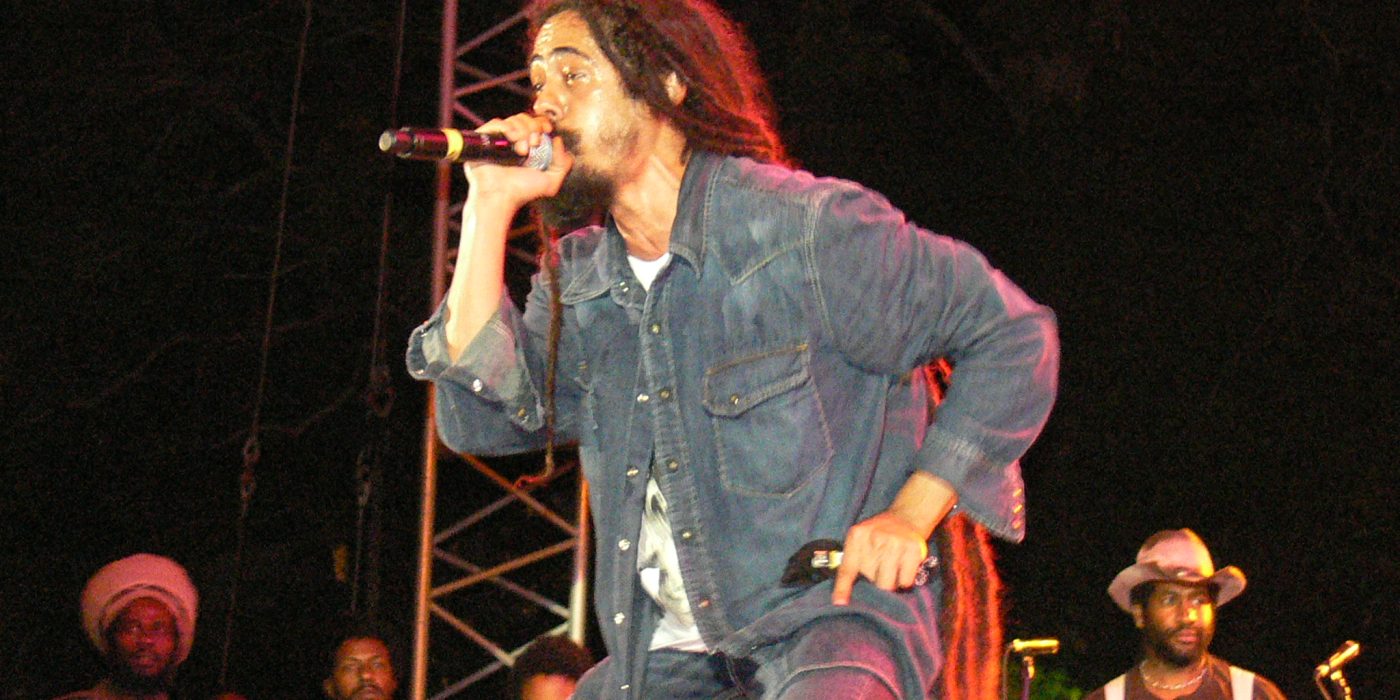
Reggae came out of Jamaica in the late 1960s, grew from ska and rocksteady, and within a decade had made its way into virtually every corner of the world. The MOBO Awards in Manchester in 2026 gave Vybz Kartel the Best Caribbean Music Act award, a reminder that the music has not just survived but kept generating new voices that command global attention. The genre’s ability to travel without losing what it is remains one of the more remarkable stories in popular music.
The early architects were working in Kingston’s studio system, the producers and session musicians who built the sound at places like Studio One and Treasure Isle. Lee “Scratch” Perry, whose final recorded work is now being released in collaboration with the German electronic duo Mouse on Mars, was central to that creative infrastructure. His productions for Bob Marley and the Wailers helped define what reggae could sound like at its most expansive and its most politically pointed. Perry’s approach to the studio as an instrument in itself influenced producers across genres for decades.
Marley’s international crossover in the 1970s changed what was possible for Jamaican music on a global scale. It was not just commercial success, though that was real. It was the establishment of a cultural vocabulary that people in wildly different contexts could find their way into. The themes of resistance, spirituality, and collective suffering that run through Marley’s work found resonance in communities that had nothing geographic in common with Jamaica but recognized the underlying argument.
Dancehall emerged in the late 1970s and 1980s as a harder, faster, more digitally driven response to roots reggae. Where roots leaned toward the Rastafarian spiritual tradition and deliberate tempos, dancehall embraced the club, the soundsystem, and a confrontational energy that was very much its own thing. Artists like Shabba Ranks and later Sean Paul brought dancehall to mainstream pop audiences. Kartel, operating in an entirely different context, has extended that global footprint in ways that would have seemed improbable given his circumstances.
The genre has also proven remarkably absorptive. Reggaeton, which emerged from Puerto Rico and Panama in the 1990s, built directly on dancehall’s rhythmic foundations and went on to become one of the dominant sounds in global pop. The dembow rhythm pattern that defines reggaeton traces back directly to Jamaican dancehall. Artists like Rosalia, who just released LUX, and the broader Latin pop universe carry this genetic material forward, often without the connection being explicitly named.
In the UK, the reggae influence runs through jungle and drum and bass, through grime, through a whole lineage of music that took something from the Jamaican community that had settled in Britain and built something new from it. The MOBOs themselves exist in part because of that history. The awards were founded specifically to recognize music that British mainstream awards ceremonies were ignoring, and the Jamaican and Caribbean communities were central to what was being overlooked.
What reggae and dancehall have demonstrated across fifty-plus years is that music rooted in a specific place and a specific set of circumstances can carry those circumstances outward without losing them. The travel changes the context. It does not dissolve the origin. That is a harder trick than it looks, and the music keeps pulling it off.

The fact that reggae could travel from a small island and become genuinely global without losing its core identity is such a testament to how powerful a great groove and a great message can be!! Like that’s not marketing, that’s just pure magnetic music doing what music is supposed to do , connecting people across every possible barrier. Absolute legend of a genre.
The article traces reggae’s travel outward from Jamaica, and that’s fair , but the fuller picture includes how reggae moved into southern Africa and got transformed there in ways that don’t always make it back into the canonical story. Thomas Mapfumo absorbed reggae rhythms into chimurenga music in Zimbabwe during the liberation struggle, using the off-beat guitar chop as a vehicle for political messages in a context with entirely different stakes. The travel went deeper into the continent than most histories acknowledge, and what came back out was its own thing.
From a data perspective what’s remarkable is how reggae’s streaming footprint still overperforms relative to its playlist presence , it surfaces in algorithm-driven recommendations at a higher rate than you’d expect given how underrepresented it is in editorial playlists. That suggests the engagement signals are really strong when people do find it, which tracks with the “once you hear it you keep listening” quality the article is describing.
I’ll grant you that reggae has traveled better than almost any other genre, and I say that as someone who’ll argue about musical authenticity until last call. But I’d push back on the idea that the travel was always clean. Every time a music leaves its home , Irish trad included, I know this firsthand , something gets left behind, even when something new gets gained. The Jamaican spiritual and political urgency of roots reggae didn’t always make the crossing intact. What landed in certain European markets in the 80s was the groove without the grievance. Which is still good music. But it’s not the whole story.