 Into The Music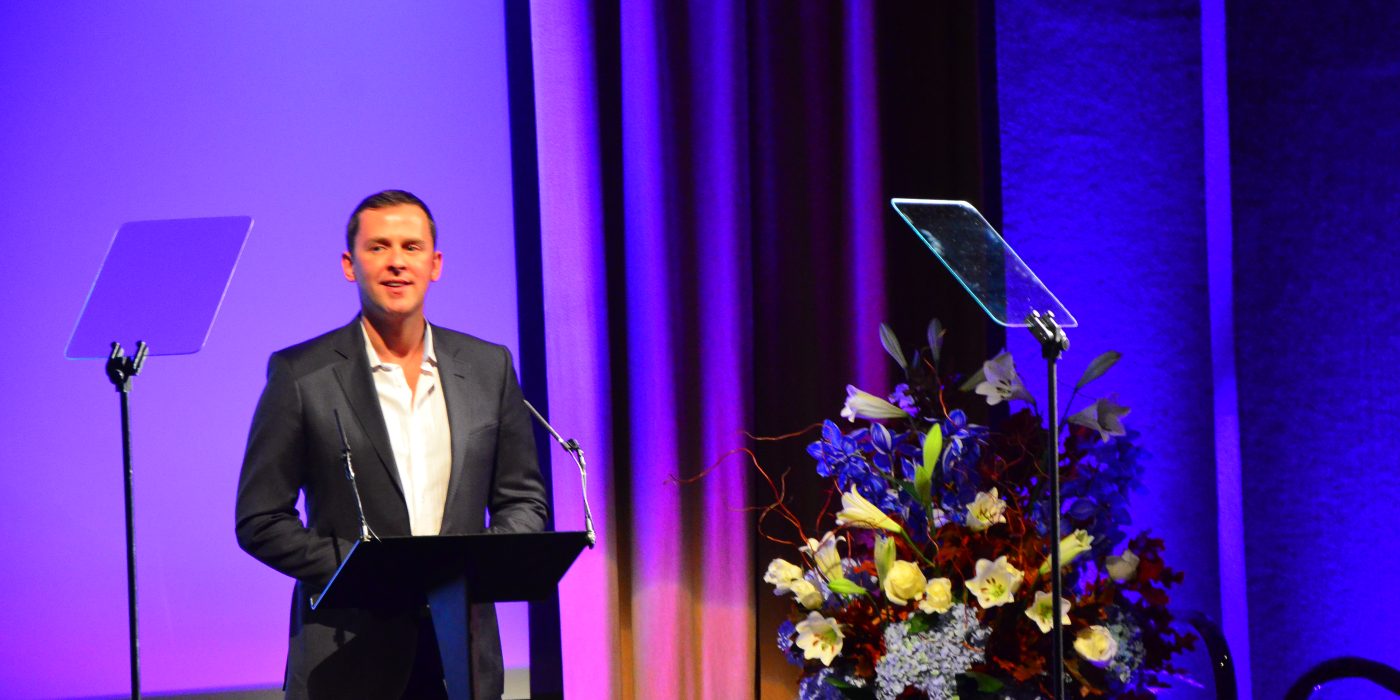
Scott Mills presented the BBC Radio 2 breakfast show for just over a year. His last broadcast was March 24, 2026. By March 30, the BBC confirmed he was gone, citing personal conduct allegations and offering no further detail.
The statement was brief, clinical, and said almost nothing: “While we do not comment on matters relating to individuals, we can confirm Scott Mills is no longer contracted and has left the BBC.” That is the kind of language the corporation uses when it wants the story to end as quickly as possible.
Mills joined Radio 2’s breakfast slot in January 2025, taking over from Zoe Ball, who had herself taken over from the late Chris Evans in 2019. The breakfast show at Radio 2 is a complicated inheritance. It is one of the most-listened-to radio programs in the United Kingdom, drawing millions of listeners each morning, and whoever sits in that chair absorbs enormous scrutiny.
Mills had come from Radio 1, where he spent over two decades building a loyal following with a warmer, more playful style than the polished professionalism the breakfast slot typically demands. His transition to Radio 2 was seen as a natural step toward a more settled, adult-format broadcasting career. The upgrade was supposed to be a culmination.
It lasted fourteen months.
The BBC’s Director of Music, Lorna Clarke, sent an internal email telling staff the news would feel “sudden and unexpected.” That framing is itself a signal that this was not a quiet resignation or an agreed-upon contract ending. Something happened, and the BBC moved fast.
What makes this notable beyond the personal dimension is the institutional pressure it places on BBC Radio 2 at an already complicated moment. The station has been navigating a slow erosion of its traditional audience and a generational shift in how people consume radio. The breakfast show chair has turned over multiple times in recent years. Each transition comes with disruption, rebranding, and a period of listener readjustment that the station cannot fully control.
No replacement has been announced. The BBC’s handling of the Mills situation will be examined closely, both for what it says about the corporation’s internal standards and for whether the public trusts the process.
Mills himself has made no statement. The BBC is not commenting further. The morning slot continues with fill-in presenters while the organization figures out its next move.
It is a messy, fast-moving story with no satisfying conclusion yet. That is probably why the BBC said as little as possible. Radio 2 breakfast hosts do not usually exit this way.
BBC Radio 2 has been in an identity crisis for years honestly. They keep trying to skew younger without committing to it, and what they get is this no-man’s-land where nobody feels fully served. The breakfast slot problem isn’t about Scott Mills specifically , it’s that the whole channel can’t decide what decade it wants to live in.
I’ve been listening to Radio 2 since Terry Wogan was doing breakfast and I’ll tell you, there’s something to be said for when a host just *knew* their audience. Terry never made you feel like he was performing for demographics , he was just talking to you over your cornflakes. I don’t know Scott Mills well enough to judge, but when a tenure ends after barely a year like this, it usually means the fit was never quite right from the start. Hope they take their time with whoever comes next.
Linear radio formats are structurally ill-equipped for this moment. The breakfast slot assumes a shared temporal ritual that’s largely dissolved , people stream, they podcast, they consume asynchronously. The problem isn’t the host, it’s that the format itself is broadcasting into a void and struggling to measure whether anyone is actually there.