 Into The Music
Shoegaze is named for a posture. The musicians stare at their feet, watching the effects pedals rather than the audience, heads down, faces hidden. For a genre built around extreme volume and sensory overload, that introversion is the whole aesthetic. You are not here to be seen. You are here to disappear.
It emerged in the late 1980s in the UK, built from a specific set of ingredients: My Bloody Valentine’s Isn’t Anything in 1988 is the clearest origin point, though Ride and Slowdive were developing their own versions almost simultaneously. The sound is distinctive enough that you can usually identify it within seconds. Heavily distorted guitars layered into something approaching a single textured wall. Vocals buried in the mix, treated as another instrument rather than the focal point. Melodies that exist but don’t assert themselves. Drums that are often pillowed and slightly back. Tempos that tend toward midrange rather than either extreme.
What My Bloody Valentine discovered, and what Kevin Shields in particular obsessed over technically, was that guitar distortion at sufficient volume and with sufficient layering starts to blur into something that has more in common with electronic music than with rock. The wall of sound stops being a series of notes and becomes a texture, an environment. Loveless, the band’s 1991 album, remains the defining document of the genre, a record that took three years and reportedly over $250,000 to make, nearly bankrupting Creation Records. It sounds like it. It also sounds like nothing else made before or since.
Slowdive took the softer edge of the genre and pushed it toward something more ambient. Souvlaki, their 1993 album, has aged into a touchstone for a generation of musicians working in the space between shoegaze and ambient, between noise and quiet. Ride were more direct, their early EPs hitting like post-punk filtered through the aesthetic, all speed and chiming. Lush brought melodies forward, giving the genre a melodic sweetness that sat uncomfortably with its noise tendencies and made them one of the more interesting boundary cases.
The genre was largely dismissed or ignored through the 1990s. By the time Loveless came out, the music press was already looking at grunge and Britpop. Shoegaze was declared over before anyone had fully figured out what it was. MBV broke up without releasing a follow-up. Slowdive was dropped from Creation Records in 1995. Ride called it quits in 1996. The canon felt closed.
Then something happened. It always does with genres that get buried too fast. A new generation found the records, found them revelatory, started making their own versions. Deerhunter picked up the thread. Beach House built an entire career from the space between shoegaze and dream pop. Wild Nothing, Washed Out, and the loose early-2010s wave that got labeled chillwave owed an obvious debt to the 90s originals. Newer artists like Grouper, Midwife, and Lush contemporary revivals like Nothing and Whirr pushed into more extreme territory.
The reunion wave helped. Slowdive got back together in 2014 and released a self-titled comeback album in 2017 that sounded genuinely alive, not nostalgic. Ride returned and have been recording new material. My Bloody Valentine finally released mbv in 2013, twenty-two years after Loveless, and while it didn’t top its predecessor, it demonstrated that the ideas the band had been sitting on were still fertile. Kevin Shields has been working on follow-up material for years; at this point, waiting is part of the experience.
What shoegaze keeps demonstrating, across different eras and different scenes, is that the aesthetic solves a specific problem. When music gets too sleek, when production becomes too controlled, when everything is too legible and too intentional, the shoegaze impulse pushes back. Volume and blur as meaning. The obliteration of the individual ego into a collective sound. The face looking down rather than out.
That’s a strange thing to keep coming back to. And yet here we are, thirty-five years later, and new bands are still making it, still staring at their feet, still reaching for that specific feeling of being swallowed by sound. Some ideas are generationally durable not because they’re perfect but because they’re useful. Shoegaze is one of them.
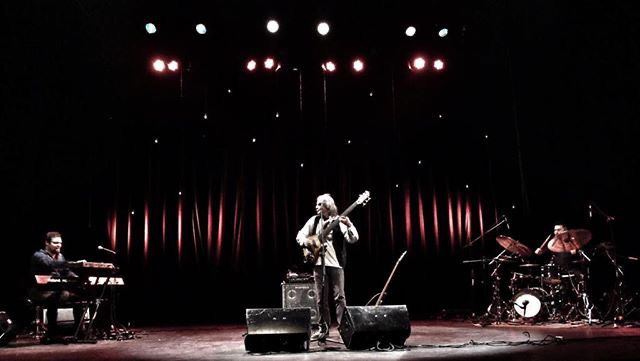
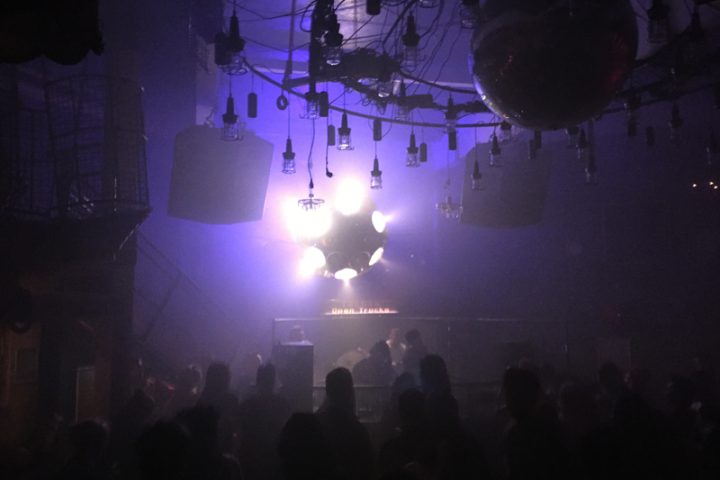

There’s something poetic about a genre being named for a posture rather than a sound , shoegaze is basically the first time a genre admitted upfront that it was more interested in the music than the performance of the music, you know? I grew up on country and rock, and the Irish folk tradition I got from my parents always had this understanding that some music is meant to pull you inward, not show off. Shoegaze figured that out through a wall of Fender amps and a bunch of effects pedals, which is a distinctly noisier way to reach the same place, but fair play to them for getting there.
What I’d want to track here is how shoegaze intersected with the charts versus how it’s remembered. Because the genre’s canonical story , the staring-at-pedals, the deliberate anti-performance posture , is almost entirely retrospective mythology. My Bloody Valentine wasn’t charting anywhere near the artists they’re now taught alongside. Worth asking whether ‘disappearing into sound’ was an aesthetic choice or a commercial reality getting reframed as art after the fact.
From a production standpoint, shoegaze is genuinely interesting because the ‘disappearing’ effect is engineered , feedback, reverb, detuning, layering , not accidental. Kevin Shields built that sound methodically. What the genre did was treat the studio as the instrument in a way that predates a lot of what we take for granted now. I hear that approach directly in how modern Afrobeats producers use layered textures to create atmosphere rather than just rhythm. Different sonic languages, same instinct.
Coming at this from a Motown/soul background, what’s technically interesting about shoegaze is how it essentially inverted the studio philosophy of the era I know best. At Hitsville you had engineers working obsessively to separate and clarify each instrument , that famous Motown low-end, every element in its lane. Shoegaze collapsed all of that intentionally. Kevin Shields was running guitars through chains of effects to destroy any notion of a ‘clean’ signal. Different philosophy entirely, but the obsession with the sound itself, rather than just the song, is something both traditions share.
What strikes me reading this is how shoegaze created a kind of liberation through erasure , in a music scene that often centered performance and visibility, here was a genre that explicitly refused to be seen. There’s a queer reading of that posture that doesn’t get talked about enough: the staring-at-pedals, the faces hidden behind curtains of hair, the sound so dense it creates its own private space. For a lot of people on the margins, the invitation to disappear into the music rather than be visible was actually deeply meaningful. MBV and Slowdive weren’t just making aesthetic choices. They were building rooms you could live inside when the outside felt like too much.
Shoegaze: where the guitar tone costs more than my rent. Respect.
The ‘staring at pedals’ origin story has been retold so many times it’s basically mythology now, and I say that as someone who was writing about this stuff in the 90s. Worth noting that the posture was also partly practical: those pedalboards were genuinely complex and you had to watch them. The anti-showmanship reading came later, after the fact, once critics needed a handle on what the genre was doing culturally. Doesn’t mean it’s wrong, just means the narrative got tidied up.
What I keep coming back to in this piece is the politics of disappearing, specifically whose disappearance gets aestheticized and whose just gets ignored. Shoegaze’s deliberate erasure of performer identity was celebrated as artistic vision, and it was largely white British musicians doing the erasing. Meanwhile queer artists and artists of color who made themselves less visible, for very different reasons, rarely got the same interpretive generosity. I love the genre, genuinely, but the ‘permission slip’ it extended was always stamped for a pretty specific applicant pool. That tension is worth naming even while appreciating everything else the music did.
What strikes me about shoegaze as a lyrical form is how the words get treated as texture rather than content. The vocals buried under distortion aren’t an accident, they’re a deliberate choice to strip language of its usual authority. Coming from hip-hop where every syllable is load-bearing, that’s a genuinely foreign approach. Not wrong, just a completely different philosophy of what a voice is for.
genre that literally named itself after not giving a damn about the audience. respect.
Okay I came to shoegaze completely sideways, through a friend who played me My Bloody Valentine after a polka festival of all things, and I was absolutely not prepared!! The way the sound just wraps around you like a fog, it reminded me of accordion swells in traditional music, that feeling of being inside the sound rather than listening to it. I think I understand now why people get so obsessed with this genre!