 Into The Music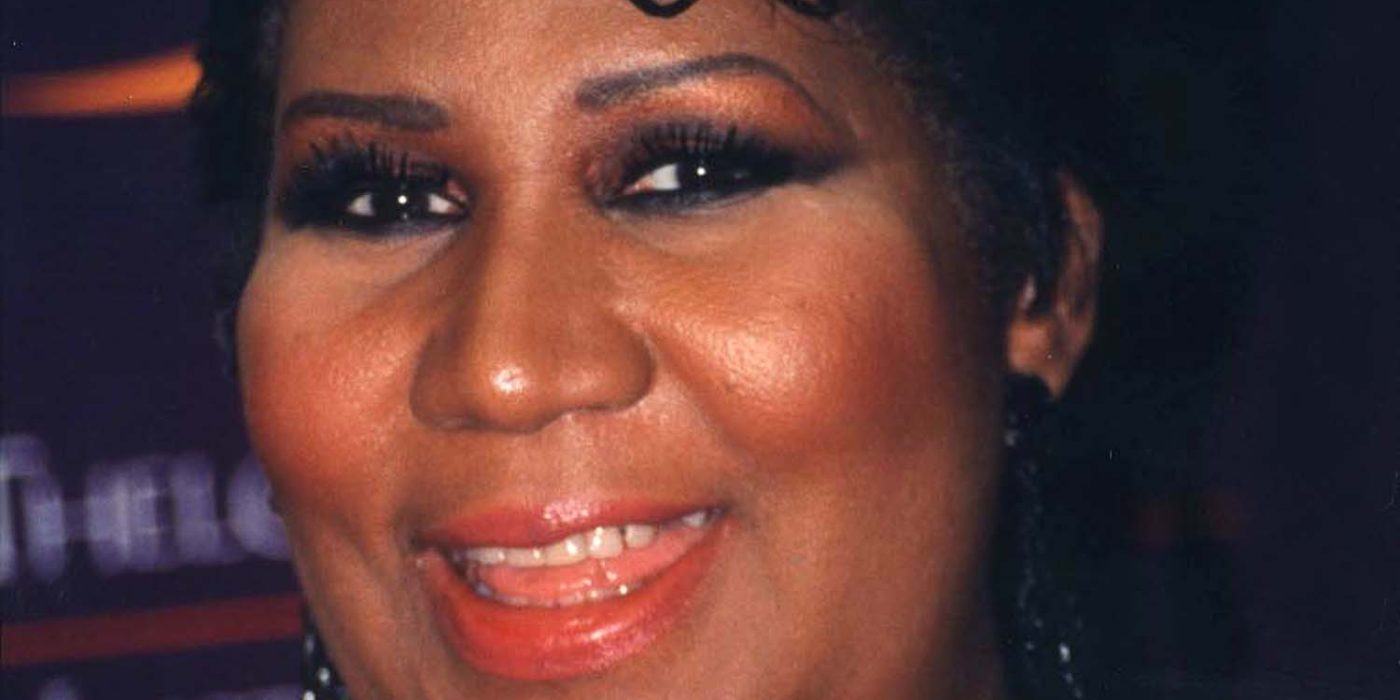
Soul music was invented to say things that polite society wasn’t ready to hear. That’s not a romantic origin story. It’s the actual mechanics of how a genre works when it’s doing its job. The church vocabulary, the gospel call-and-response, the physical insistence of the rhythm: all of it was built to carry weight that other forms of American music were pretending didn’t exist.
The genre as a commercial category coalesced in the early 1960s, when Motown in Detroit, Stax in Memphis, and Atlantic in New York were building different versions of the same idea. Music rooted in Black American experience and spiritual tradition, presented with enough polish and craft to reach anyone listening. The differences between those three institutions ended up mattering enormously. Motown leaned toward precision and pop structure. Stax leaned raw and interracial and collaborative. Atlantic gave its artists room to define themselves and then got out of the way. All three produced records that are still actively changing people’s lives.
Aretha Franklin. Sam Cooke. Otis Redding. Wilson Pickett. Al Green. Curtis Mayfield. These are names so thoroughly installed in the cultural canon that it’s easy to forget they were people making difficult, pointed choices about how to present themselves and their music to an America that was often actively hostile to what they represented. The music carried both the celebration and the grief. Sometimes in the same song.
What happened to soul over the next few decades is a complicated genealogy. It fed into funk, which fed into hip-hop. It fed into quiet storm and new jack swing. It fed into neo-soul, which gave us D’Angelo and Erykah Badu and Maxwell in the 1990s doing something that sounded immediately classic because they were working from the same emotional logic the originators used, not nostalgia, but inheritance.
The soul influence on contemporary music is diffuse enough now that you have to squint to trace it, but it’s there. It’s in how Beyonce constructs vocal performances. It’s in the way Frank Ocean treats revelation as something earned rather than announced. It’s in the Afrobeats production that’s been reshaping what international pop sounds like for the last several years, working from some of the same rhythmic and harmonic roots. Soul taught popular music that emotion isn’t decoration. It’s the point.
What the genre asks of its performers is something specific: you have to actually feel it, or at least be able to make the case convincingly. There’s no hiding in soul. The form exposes you. That’s why the greatest soul records are the ones where you can’t quite tell where performance ends and something else begins. Otis Redding at Monterey. Aretha Franklin’s “I Never Loved a Man the Way I Love You.” Al Green at his most devotional. The line between secular and sacred was always the wrong line to draw. Soul understood that before most things did.
And a lot of people forget that the East LA sound was doing the same thing at the same time , Thee Midniters, Cannibal and the Headhunters, saying things in Spanish and English that mainstream radio wouldn’t touch. Soul wasn’t just a Black Southern story. It was everywhere people had something stuck in their throat.
Real talk , this is something hip-hop has known since day one. Grandmaster Flash wasn’t just making music, he was transmitting dispatches from a borough that the rest of the city had written off. The article’s right that soul laid the groundwork but somebody’s gotta say: hip-hop took that tradition and ran harder with it than any genre since. The Message came out in ’82 and said things that polite society still isn’t ready to hear.
What’s interesting from a catalog perspective is that soul’s core tension , saying unsayable things through encoded emotional language , maps pretty directly onto how certain tracks perform in algorithm-surfaced playlists vs. editorial ones. Songs like “A Change Is Gonna Come” or “What’s Going On” consistently over-index on save rate and repeat listens relative to their stream counts. That’s a measurable signal that people aren’t just playing them , they’re holding onto them. The article gets at why.