 Into The Music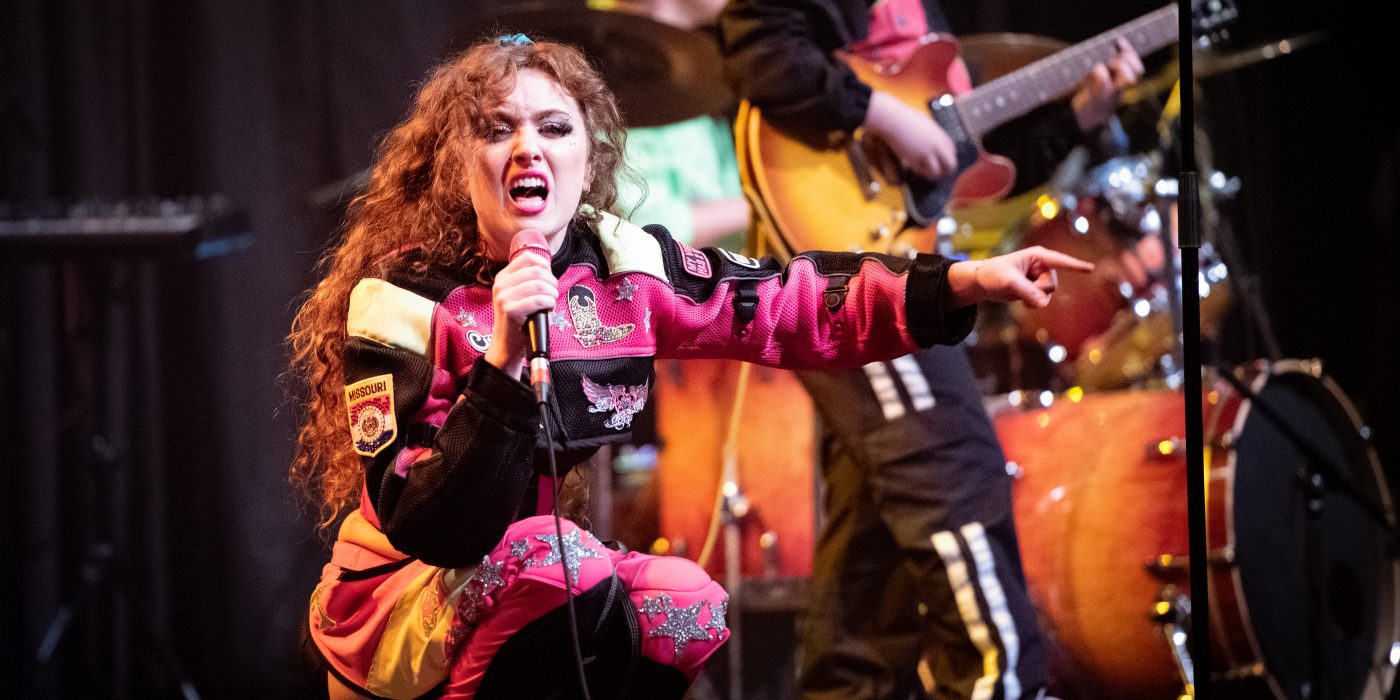
By now you’ve probably seen the story: a soccer star’s daughter allegedly had a run-in with Chappell Roan’s security team at a hotel in Sao Paulo, the Rio mayor responded by banning Roan from a city music event, and Roan fired back on social media: “I do not hate children.” It’s the kind of celebrity news cycle that burns fast and generates a lot of heat without generating much light.
But there’s something worth actually examining here, and it’s not whether Roan’s security team was too aggressive – nobody outside of that hotel hallway actually knows what happened. What’s interesting is the speed with which this escalated to a government official banning a foreign artist from a city event. That’s a remarkable overreach, and it barely got examined because the “pop star vs. soccer star’s daughter” frame was too irresistible.
Chappell Roan has spent the last year navigating the specific hell of extremely fast superstardom – the Grammy win, the relentless attention, the parasocial intensity of her fanbase and her critics alike. Her relationship with fame has been messier and more honest than most artists at her level allow themselves to be. She’s complained about the grind publicly. She’s set visible limits. Her security protocols are presumably part of that.
The “I do not hate children” statement is both funny and a little sad, because she’s now in a position of having to clarify that she is not, in fact, anti-child. This is where pop stardom lands you when you’re operating at her scale without the full corporate machinery smoothing over every rough edge.
The Rio mayor will face no consequences for an impulsive ban on a touring artist. Roan will move on to the next tour date. The daughter is probably fine. But the incident is a small, sharp window into how little control artists actually have over their own narratives when they reach a certain level of visibility.
Reading about this made my nervous system react, there’s a kind of hypervigilance that comes with sudden fame that I don’t think people understand from the outside. The body is constantly scanning for threat. When something like this happens in a crowd of thousands, the adrenaline response is real and immediate and has nothing to do with wanting drama. I hope Chappell is being supported properly right now.
What’s worth noting is that Chappell Roan’s particular brand of fame, built on parasocial intimacy, queer community, radical vulnerability as performance and as reality, creates a specific kind of fan expectation that is categorically different from, say, a legacy rock act. Thom Yorke has boundaries and everyone respects them because Radiohead always kept a certain distance. Roan’s entire artistic identity was built on closeness. That creates a contract that’s impossible to renegotiate cleanly once you’re at arena scale. The Brazil incident is a symptom of that specific tension, not a random security failure.
This kind of thing happens to African artists touring internationally ALL the time and nobody writes think-pieces about it. Organisers who don’t brief security properly, crowd management that breaks down the moment things get real, I’ve watched it happen at gqom shows in Jo’burg and at African artists’ European dates both. The difference is Chappell Roan has the platform to make it a news story. The structural failures are the same. At least this conversation is happening loudly enough that maybe promoters actually have to respond.
Wendy what you said about hypervigilance , that’s real. The body doesn’t know the difference between a threat and a camera. BEEN saying this.
What strikes me about the Chappell Roan situation , and what the article gets right in calling it more than a security incident , is that she has constructed a performance persona rooted in radical accessibility, the way early Björk did, where the artifice and the vulnerability are genuinely indistinguishable. That creates a specific contractual confusion in the audience’s mind: the fan believes they have a relationship because the performance invited them in. The security breach is almost a literalization of a conceptual problem she’s been navigating since her rise. Laurie Anderson talked about this with mass audiences , the moment the experiment scales, the terms of the experiment change.
There’s a line in one of her songs about being looked at so long you start to disappear, and I keep coming back to it reading this. The incident in Brazil feels like an extension of that , when the watching becomes physical and the boundary between performance and person collapses for the people watching. I write songs mostly for myself and a small room and even then I sometimes feel exposed in a way I can’t explain. I can’t imagine what that magnitude of visibility does to a person.