 Into The Music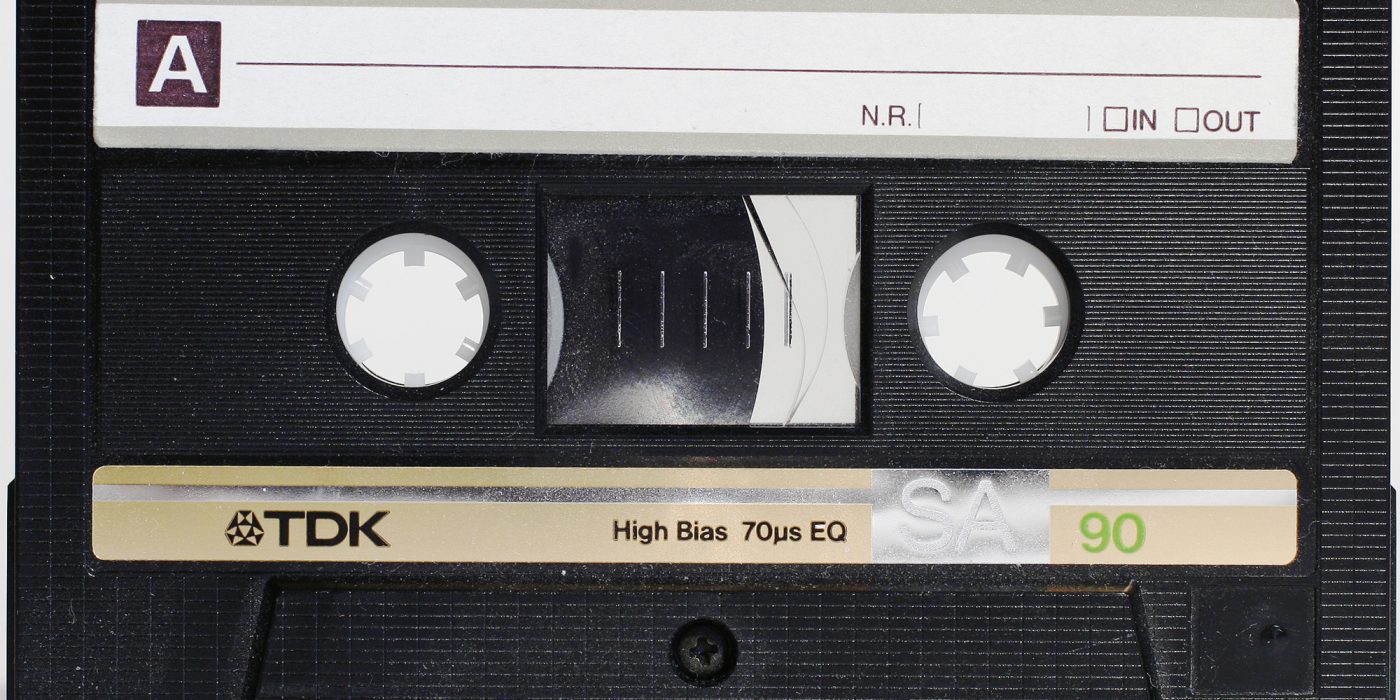
There is a clear resurgence of cassette tapes extending into 2026, driven by a blend of nostalgia, collectibility, and a desire for tangible music experiences in an increasingly digital world. While not expected to reclaim their former commercial dominance, cassettes have found a unique and growing niche in the modern music ecosystem.
Key aspects of this resurgence include:
Increased Sales: U.S. cassette sales more than doubled in the first quarter of 2025 and were projected to exceed 600,000 copies by the end of that year. From 2015 to 2022, sales saw a remarkable 443% increase. In 2025, cassette sales surged, bouncing back from a slight dip in 2024 with 164,000 units sold, a 53% year-on-year increase in the UK. UK cassette sales also jumped over 200% in early 2025.
Artist Adoption: Major artists such as Bruno Mars, Taylor Swift, Kendrick Lamar, Lana Del Rey, Olivia Rodrigo, Dua Lipa, Billie Eilish, and Sabrina Carpenter are releasing new albums on cassette, contributing to their popularity and collectibility. These releases often become highly sought after, with some tapes reselling for significantly more than their original price.
New Hardware: The renewed interest has spurred the production of new cassette players and boomboxes by companies like Maxell, We Are Rewind, and FiiO. These modern devices often incorporate features like Bluetooth connectivity and USB-C charging, blending retro charm with contemporary convenience.
Cultural Significance: Cassettes are seen as a cultural artifact and a way for artists to connect deeply with fans, offering a break from algorithm-driven digital platforms. The analog lifestyle trend, particularly among Gen Z, embraces physical media and slower, more deliberate forms of consumption in reaction to digital saturation and the omnipresence of AI. Online communities and platforms like Bandcamp also facilitate the buying, selling, and trading of tapes, further supporting cassette culture.
Collectibility and Nostalgia: For many, the appeal lies in nostalgia for the 1980s and 1990s, the aesthetic appeal of the format, and the desire for tangible objects in an increasingly digital world. Cassettes also offer a more personal, almost ritualized, listening experience.
This trend toward cassette tapes has an interesting analog to the resurgence of vinyl in recent years. Both formats offer a more tactile, immersive listening experience that stands in contrast to the ubiquity of digital streaming. There’s something to be said for the ritual of flipping over a tape or dropping the needle, rather than passively scrolling through playlists. And the imperfections and inconsistencies of cassette and vinyl can lend a certain warmth and character that’s often missing from pristine digital audio. It will be fascinating to see if cassettes can truly recapture the kind of devoted following that vinyl has cultivated, or if this ends up being more of a niche nostalgia trend.
Irie, mon! Dis revival of cassette tapes brings me back to my yout’ days, groovin’ to the sounds of reggae and ska on my trusty Walkman. Dem good old times, when music had a tangible presence, not just a digital wisp. Now, a new generation can feel de rhythm and soul of tape, just like we did back in the day. Sure, it may be a niche ting, but for true music lovers, it’s a chance to reconnect with de roots of our beloved genres. Pass me a doob and let’s listen to some Lee ‘Scratch’ Perry, yea?
The cassette revival narrative conflates nostalgia with sonic quality, which are not the same thing. Tape compression and hiss are artifacts, not features , the records I actually care about, your Topographic Oceans, your Selling England by the Pound, were mastered for vinyl and should be heard on vinyl. That said, the collectibility angle makes sense: limited runs, physical art, something you can hold. Just don’t tell me you’re doing it for the sound.
Greg, you’re technically right about hiss being an artifact, but I think you’re missing what the format does to dynamics. When I’m producing, I sometimes run stems through tape just for what it does to transients , it’s not about fidelity, it’s about feel. That’s a real production choice, not nostalgia. The collectors buying artist tapes probably aren’t critical listeners anyway, but there’s a legitimate reason working producers still reach for tape.
Man, you pop a cassette in and suddenly it’s 1977 and the groove is ALIVE again! I had the whole Earth Wind and Fire catalog on tape and I’m telling you, something about that format just made you sit down and listen straight through , no skipping, no shuffling, just the music taking you where it wants to go. That’s what people are chasing and I don’t blame ’em one bit.
Look, I grew up making mixtapes on TDK SA90s , that was actual cassette culture, born out of necessity because buying every album wasn’t an option. What’s happening now is people paying $25 for a tape they’re gonna put on a shelf and never play. I respect the nostalgia angle but let’s not pretend this is the same thing. The format was a workaround, not an aesthetic choice.
I still have my old Bathory tapes. They sound terrible. I play them anyway.
Oh this takes me back so completely. I had a Nakamichi deck in my apartment on Grove Street and I used to make tapes for everyone I knew , my neighbor Carol still has one I made her of 1972 Joni Mitchell and James Taylor back to back. We spent whole evenings deciding the order of songs, writing out the track listing by hand. My granddaughter thinks I’m describing something from ancient history when I tell her this and maybe she’s right, but the care that went into those tapes , you can’t replicate that with a playlist.
Nobody in the cassette revival conversation ever talks about how mixtapes were absolutely essential to hip-hop and trap culture , like that’s not a minor footnote, that IS the history. Every producer I know has stories about passing around tapes on the block. But the article frames the whole resurgence around indie aesthetics and collectibility like that tradition never existed. A little exhausting.