 Into The Music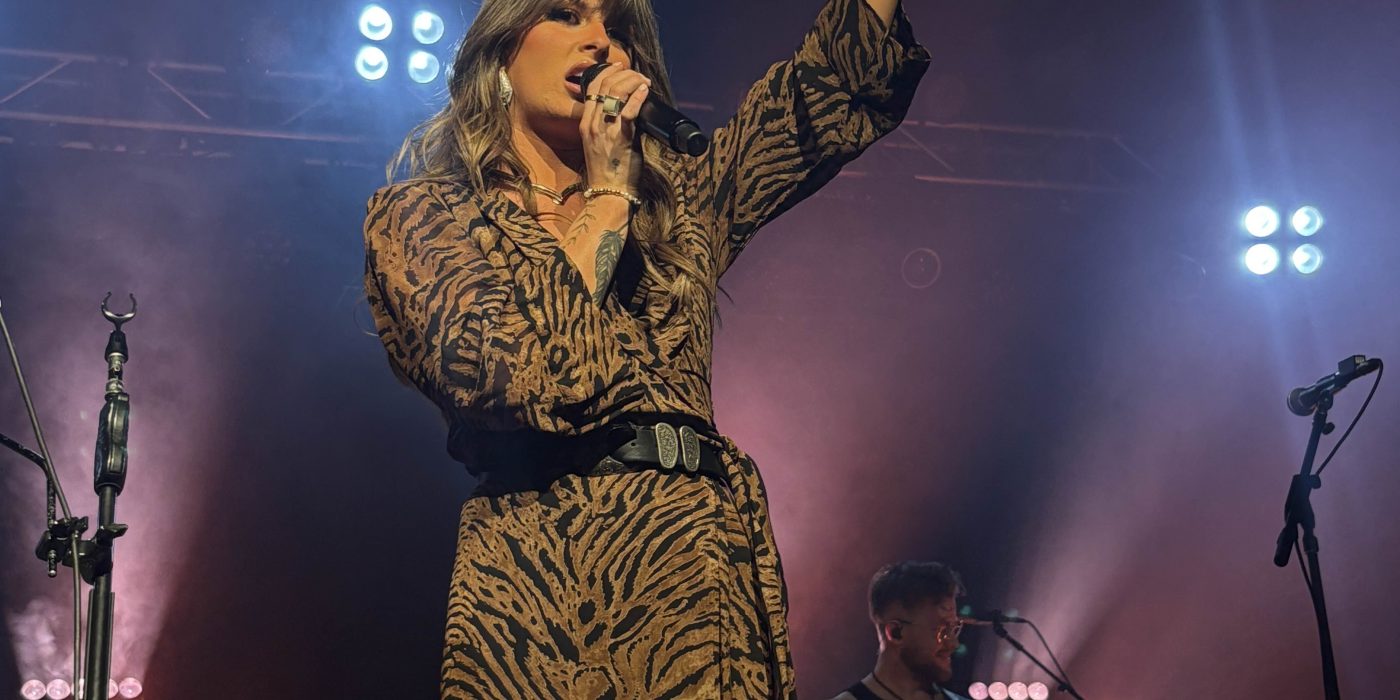
Country music has always had a complicated relationship with its women. The commercial structure of Nashville radio has historically favored male artists in ways that are documented and specific, with studies repeatedly showing that female artists receive less airplay, fewer label resources, and less prominence at festivals and awards shows even when their sales and streaming numbers are comparable to or exceeding their male counterparts.
The phrase “we’re not a trend” from Maren Morris in 2019 landed with such force because it named something real: the periodic rediscovery of women in country music as a commercial opportunity, followed by a retreat when the next trend came along. The history of this pattern runs through every decade of country music since at least the 1980s.
What’s different about 2026, or what feels different, is the diversity of the commercial moment. Lainey Wilson won multiple Grammys and CMA Awards. Beyonce’s Cowboy Carter changed what mainstream audiences thought country music could include. Ella Langley has a Number One hit. Kacey Musgraves has been making records that earn critical acclaim and commercial success without compromising the specific weirdness that makes her interesting. Post Malone and Zach Bryan are having their own commercial moments, but they’re not crowding out the women the way the genre’s history suggested they might.
Whether this is a structural change or another cycle of the trend is what the next several years will reveal. The structural argument says that streaming has reduced the gatekeeping power of radio programmers, who were the primary mechanism by which women were systematically underpromoted. If the gatekeeping mechanism has weakened, the pattern may change. The cynical argument says that the underlying industry incentives haven’t changed, just the current fashion. The data will eventually settle it.
I’ll approach this from an angle that probably isn’t the intended one: the production quality gap between male and female acts on country radio has always been audible. A/B the mastering on a typical Luke Combs single versus what a female artist gets on first release and you’ll hear the difference in how much low-end presence they’re given. Whether 2026 changes that at the mixing desk is the real question, not just playlist placement.
The production quality point is interesting and I’d push it a bit further , the Spotify and Apple Music algorithmic surfaces have historically amplified that gap too. If a track is mastered louder and hits certain spectral profiles, it gets pushed into editorial playlists that generate streams that generate chart positioning. So it’s not just a radio issue anymore, it’s baked into how the algorithms decide what gets momentum. The data on female artist playlist placement vs male artist playlist placement on country-specific editorial playlists is pretty stark if you dig into it.
Paul, the mastering gap point is so real and I had no idea how to hear it until someone explained it to me. I came from polka, where honestly the production is often whatever it is and you love it anyway, so learning to listen for those things in other genres was a whole education. Once you hear the loudness difference between male and female country singles it’s impossible to unhear.
ABBA managed it in 1974. Nashville still working on it.
Growing up in a house where Loretta Lynn and the Allman Brothers lived on the same turntable, I heard from my dad constantly about how Nashville used to eat its women alive , talented, undeniable artists who’d get one shot and then nothing, while some guy with a hat and half the charisma got the full machine behind him. My father’s point, and he was right, was that country has always NEEDED its women more than it admitted. Patsy Cline built the emotional vocabulary that the whole genre still trades on. Dolly wrote the songs. Tammy told the truth. The question the article’s asking , whether 2026 is genuinely different , I think the honest answer is: structurally, probably not yet. But the visibility of the conversation is new, and that matters more than people give it credit for.
This question, is 2026 different or just another cycle, is one I’ve been sitting with all year. In gospel we have a saying about how a door that was opened can still be closed again if the community doesn’t hold it open. The women breaking through right now are doing the work, but it takes all of us showing up to keep that space from collapsing back. Stream the music, buy the tickets, say the names.
The ‘another cycle’ framing from the article is doing something important that I want to name: it’s resisting the temptation to declare victory based on a few breakout moments. Queer country artists have been through this exact whiplash repeatedly, a moment of visibility followed by a quiet contraction. The structural questions aren’t about individual women succeeding, they’re about whether radio programmers and label A&R people are actually changing their default assumptions. The evidence there is genuinely mixed, and anyone claiming a clean answer isn’t looking closely enough.
The ‘another cycle’ framing is honest and I appreciate it. But I’ll say what nobody wants to hear: the structural problem isn’t radio gatekeepers or playlist algorithms, it’s that Nashville is a business that responds to money, not fairness. In 1977 prog labels signed women who could shift records and dropped them when they couldn’t. The music industry has always been this way. The question is whether the artists can build enough independent leverage to make the cycle actually break.
I’ll be straight with you: country music was never on my radar, Blue Note was my whole world, and Coltrane is still more important to me than anything that came out of Nashville. But I’ve sat with this question of ‘is 2026 different’ and the honest answer is that structural change in any genre takes a generation, not a news cycle. If the women getting through now don’t get to build institutions, not just have hits, then it’s another cycle. Same as jazz, same as everything.
Nashville has announced women’s moments before. I’ll believe the cycle is broken when the radio playlists look different for five years in a row, not one.
The “is it different this time” question is the right one to ask and the honest answer is: probably not structurally, not yet. I’ve watched Irish traditional music go through similar moments where a few women break through and everyone celebrates the progress, and then you look at the festival lineups five years later and it’s the same as it ever was. Country radio is a machine and machines don’t change unless you change the incentives. That said, if the article says the songwriting from women in country right now is genuinely exceptional, I’ll take that at face value. Good songs find their way eventually.
What the article doesn’t address, and what might actually be the most measurable indicator, is the harmonic and structural space being given to women in Nashville production right now. Are producers letting them sit in the low-mid range without compressing it out? Are arrangements supporting emotional dynamics or overriding them? That’s where the actual gatekeeping lives, not in radio playlists but in the mixing decisions made six months before a song ever reaches one.